
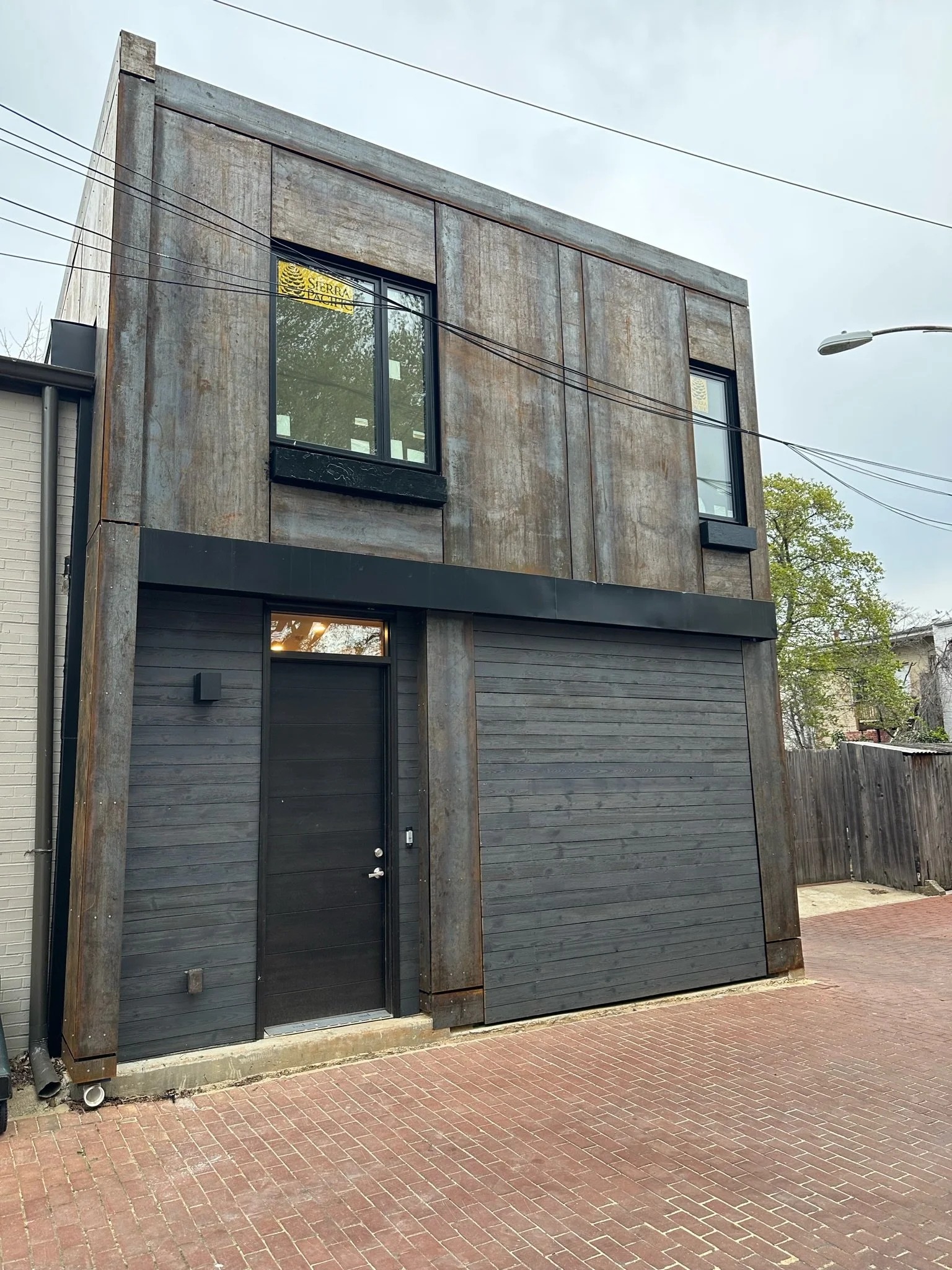
A Flush Mount Door installation in Bridgeport, CT, is a precision-driven process that affects alignment, sealing, insulation, and long-term durability. This style sits flush with the exterior wall, so even minor measurement issues can disrupt the seamless look and curb appeal.
If you are comparing a new garage door style, photos of finished installs help you see how the flush profile blends into the home’s exterior and minimizes shadow lines. This guide explains what happens during professional installation from opening checks through final safety testing and documentation.
A Flush Mount Door installation plan matters in Bridgeport, CT, since the door must sit flush against the exterior wall while the track, hinges, and spring setup are calibrated for smooth movement, strong sealing, and long-term durability in harsh weather conditions, so professionals confirm requirements such as:
To understand how shipping variables and local staging affect installation scheduling, handling, and readiness checks tied to these requirements, read our guide on Shipping vs Local Install: What to Expect with a Flush Mount Door, which explains the key differences homeowners should expect before installation begins.
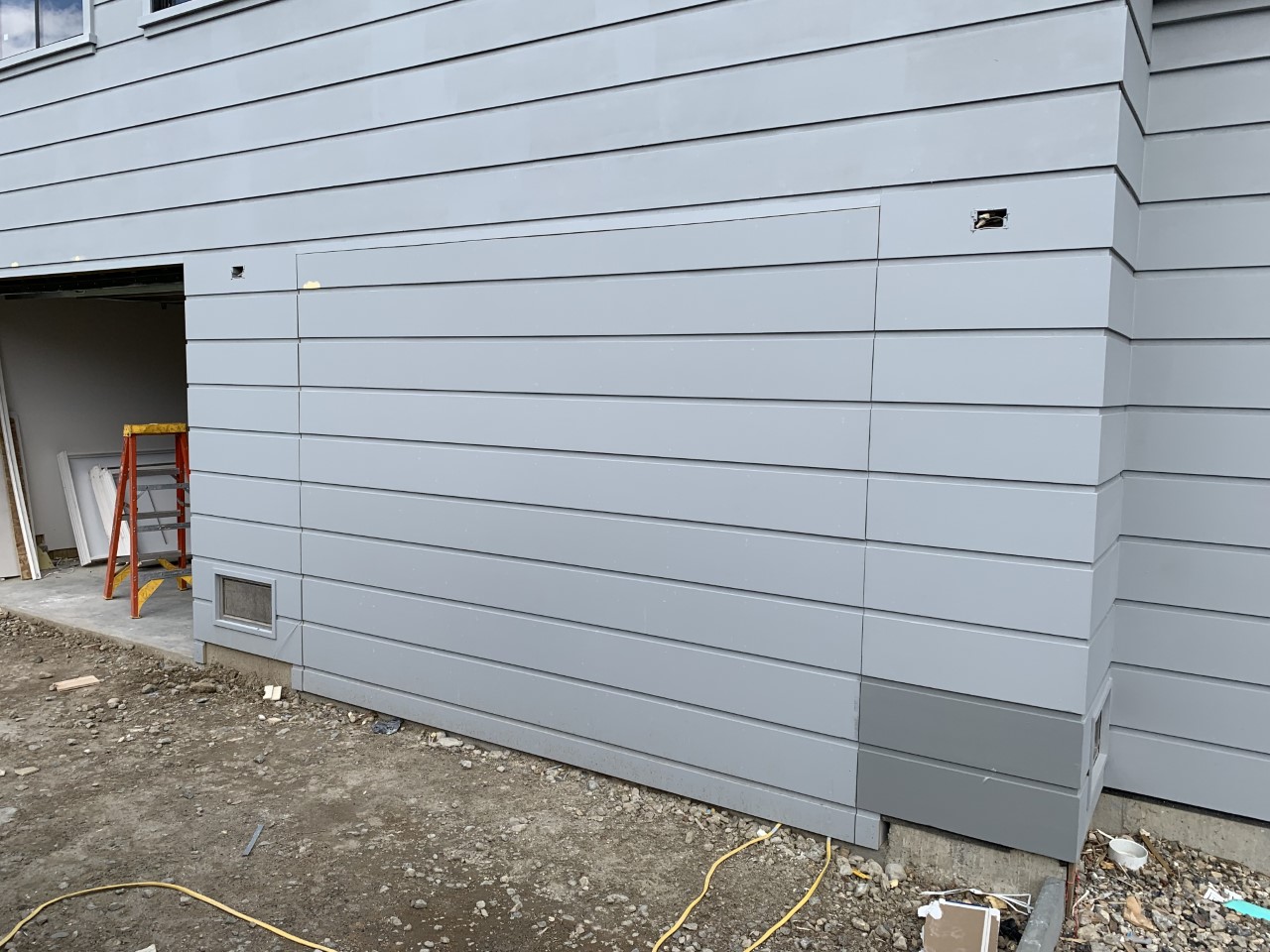
A flush-mount door should be installed by a trained team when weight, spring tension, and flush alignment must be set precisely for safe, reliable operation.
Before the installation appointment begins, professionals confirm:
With these checks completed, a Flush Mount Door installation delivers a true seamless look, consistent performance, and dependable long-term durability in Bridgeport, CT.
Pre-install planning keeps scheduling, materials, and site readiness aligned so the installation stays efficient and the flush profile seals cleanly against the exterior.
Before installation day, teams review:
Shipping-related inspection details connect directly to installation readiness, and our blog on What Should You Check When a Flush Mount Door Arrives Shipped? explains the exact checks that help prevent delays and finish problems before work begins.
Opening readiness and specifications must match closely so that the Flush Mount Door fits cleanly, travels smoothly, and maintains a seamless exterior finish.
Before panels and hardware are staged, professionals confirm:
Project scope and safety requirements often depend on what these checks reveal, and our blog on Do Flush Mount Doors Need Professional Installation? explains when a professional setup is required and what a full-service installation should include.
Accurate site verification lays the foundation for a flush-mount door installation by confirming the rough opening, clearances, and mounting surfaces before hardware or panels are staged.
Confirm readiness by checking:
Early measurement verification supports precise installation and helps the finished flush profile sit cleanly against the exterior.
A correct track layout keeps the Flush Mount system moving smoothly by matching hardware placement to the sectional door’s curved path and the opener’s required geometry.
During layout and staging, teams typically confirm:
Proper staging reduces delays, protects durability, and helps maintain clean profile designs without unwanted shadow lines.
Panel placement builds a seamless appearance by stacking sections in a controlled sequence that keeps the door face flush and consistent across the outside of a building.
Alignment work usually focuses on:
Consistent section placement supports a seamless look and helps the new garage door operate with stable, repeatable movement.
Spring calibration protects safety and performance by balancing door weight so the Flush Mount Door lifts smoothly without overloading the opener or stressing hinges.
Counterbalance setup typically includes:
According to Clopay, springs counterbalance door weight and help prevent a door from feeling unusually heavy, which reinforces why calibrated spring tension is essential for safe operation and longevity.
Reveal-and-seal checks protect the flush finish by confirming consistent gaps, tight seal contact, and reliable insulation performance along the exterior wall section the door occupies.
Sealing and alignment verification often covers:
Strong seal contact and even reveals help the Flush Mount design stay flush, reduce exterior exposure, and support minimal maintenance in harsh weather conditions.
Opener integration completes the system by syncing travel limits, safety sensors, and force settings so the Flush Mount Door cycles smoothly without strain or unsafe resistance.
Opener verification usually includes:
Chamberlain explains that properly aligned safety sensors help confirm a clear beam path for closing, which directly affects whether the opener completes a close cycle or reverses for safety.
Final testing confirms that the Flush Mount Door performs safely and consistently by validating balance, travel behavior, sealing contact, and system response across repeated cycles.
A complete walkthrough typically verifies:
Reliable final testing supports long-term longevity, protects the home’s exterior finish, and confirms the door operates as the right garage door for Bridgeport, CT, conditions.
Timeline expectations follow a clear sequence from delivery through closeout, with additional time added only when opening conditions, hardware needs, or scheduling constraints slow progress.
Typical timeline milestones include:
Timeline consistency helps avoid scheduling gaps between staging, calibration, and final testing across areas served, supporting smoother flush-mount door installations from start to finish.
Quality checks confirm that the door runs smoothly, seals tightly, and maintains a clean, flush finish that holds up over years of use.
During final verification, professionals check:
Passing these checks helps a Flush Mount Door deliver dependable durability, stable functionality, and long-lasting curb appeal.
Post-install deliverables confirm testing results, warranty coverage, and system details, ensuring service support and safe operation remain easy to manage.
After installation, homeowners typically receive:
Proper documentation supports long-term durability, reduces confusion during future service, and keeps the flush-mount door operating reliably.

A professional Flush Mount Door installation in Bridgeport, CT, ensures smooth operation, tight sealing, and a seamless look that enhances curb appeal and long-term durability. Precise measurement, spring calibration, opener verification, and final safety testing help the door perform reliably through harsh weather conditions and daily use.
Flush Mount Door Co. delivers precise installation that protects insulation performance, durability, and the clean flush profile across the home’s exterior. If a Flush Mount Door installation is on the schedule in Bridgeport, CT, contact us or give us a call today to schedule your consultation and confirm dependable results from the start.