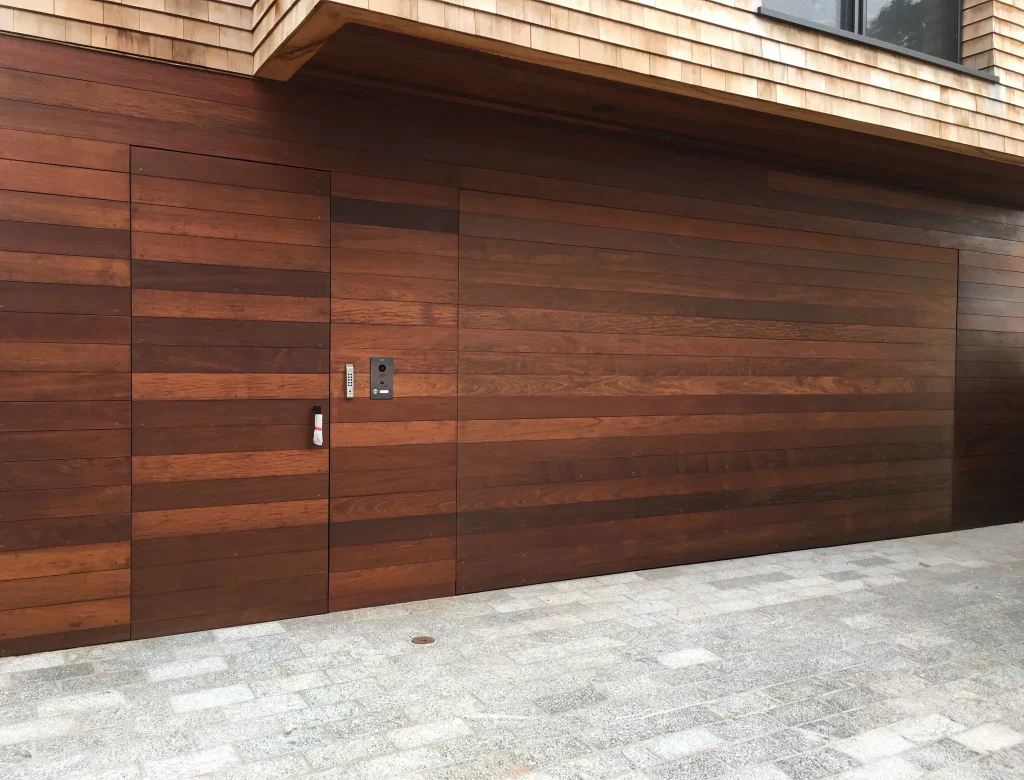
Most homeowners spend a lot of time picking the right finish or color for a door. Very few stop to think about what is actually inside it or how it was put together. With Flush Mount Doors, that question matters more than most people realize.
The way a Flush Mount Door is built directly affects how it looks, how long it lasts, and how well it performs in your home. A door that looks perfect on day one but warps after a year of humidity changes is not a good investment.
Scroll through any before-and-after photos of Flush Mount Door installations, and the difference in quality between a well-built door and a poorly constructed one becomes immediately obvious. Understanding how Flush Mount Doors are made gives you the information you need to choose wisely, ask the right questions, and know what to look for before you commit to a purchase.
The Core: What Is Actually Inside a Flush Mount Door
The core of a Flush Mount Door is the foundation on which everything else is built. It determines how heavy the door feels, how well it insulates sound, and how stable it stays over time. There are three main core types used in Flush Mount Door construction.
Solid Core
Filled with dense composite wood or particleboard from edge to edge
Heavier than other options, which gives it a premium, substantial feel
Provides better sound insulation than hollow alternatives
Best choice for homeowners who want durability and a high-end finish
Hollow Core
Uses a honeycomb or grid structure inside a thin shell
Lighter and less expensive than solid-core versions
Does not perform as well for sound insulation or long-term shape retention
Generally not recommended for Flush Mount applications where a precise fit is critical
Solid Wood
Made from real timber throughout, making it the most premium option
Excellent durability and a natural look that composites cannot replicate
Most sensitive to humidity and temperature changes, which can cause expansion or contraction
Best suited for climate-controlled spaces or regions with stable weather conditions
If you are at the point of deciding which door is right for your home,How to Choose the Right Flush Mount Door for Your Home is the logical next step, covering everything from style and material selection to what to consider before committing to a purchase.
The Facing: How the Surface Gets Its Finish
Once the core is set, the facing material is applied to both sides of the door. This is what you actually see and touch, and it plays a major role in the final appearance of the door.
MDF Facing
Smooth and consistent surface that takes paint extremely well
No wood grain, so painted finishes look completely uniform
A practical choice when the door will be painted to match the wall
One of the most common materials used in Flush Mount Door production
Veneer Facing
A thin slice of real wood applied over the core
Gives the appearance and texture of solid wood at a lower cost and weight
Can be stained or finished in a variety of ways to match existing woodwork
Ideal when a natural wood aesthetic is the design goal
Laminate Facing
A synthetic material bonded directly to the door surface
Highly resistant to scratches, moisture, and everyday wear
Available in a wide range of colors and textures, including wood-look options
A strong choice for high-traffic areas or moisture-prone spaces
Lacquer Finish
Applied directly at the factory for a hard, smooth, ready-to-install surface
More controlled and consistent than site-applied paint
Popular in high-end residential builds and designer projects
Reduces on-site finishing time and minimizes variability in the final look
The frame and edge are where most of the precision engineering happens. A standard door frame extends beyond the wall and is covered by a casing. A Flush Mount frame sits inside the wall opening so the door face aligns exactly with the wall surface.
What proper frame construction requires:
Precise measurement of the rough opening before the frame is manufactured
A frame engineered to exact tolerances with no margin for error
Solid wood lipping around all four edges to protect the core
A clean edge profile that stays sharp and durable over time
Why the edge detail matters:
A thin or poorly finished edge chips and dents more easily under daily use
Solid wood lipping provides a durable surface for hinge mortises and latch points
Well-finished edges keep the door looking clean after years of use
Poor edge construction is one of the most common signs of a low-quality door
Hardware Integration: Built In, Not Added On
On a standard door, hinges are surface-mounted and visible. On a Flush Mount Door, hardware is concealed or integrated into the door during manufacturing.
Concealed Hinges
Mortised into the door edge and frame so they are invisible when closed
Many versions allow multi-directional adjustment after installation
Keep the door face completely clean and uninterrupted
Require precise mortising during manufacturing to function correctly
Pivot Mechanisms
Use a pivot point at the top and bottom instead of side-mounted hinges
Allow for wider panels that would be impractical with standard hinges
Create a distinctive architectural opening motion
Require specific structural preparation in the floor and header
Push-to-Open and Magnetic Catches
Eliminate any visible handle or pull from the door surface
Opened with a gentle push from either side
Built into the door or frame during manufacturing, not added afterward
Ideal for doors designed to blend completely into the surrounding wall
Why Manufacturing Tolerances Matter More Than You Think
Flush mount doors are held to tighter tolerances than standard doors. Any variation in dimension or flatness will show up clearly since there is no casing or trim to cover imperfections. Flush mount doors built to the highest manufacturing standards are available across all areas we serve.
What tight tolerances mean in practice:
The door face must be perfectly flat with no bow, twist, or surface variation
All four edges must be exactly square to the face of the door
Overall dimensions must match the frame opening within a very small margin
The finish must be consistent across the entire surface with no sheen variation
What happens when tolerances are not maintained:
A door that bows even slightly will not sit flush with the wall
A marginally oversized door will bind in the frame and resist closing
Finish inconsistencies become highly visible against a flat painted wall
These are manufacturing problems that cannot be corrected after installation
Common Construction Problems and What to Watch For
Knowing what to look for before a door is installed can save significant time and cost.
Bowing or Warping
Stand the door on its edge and look down the length of the face
Any visible curve or twist means the door will not install correctly
Usually caused by improper storage, moisture exposure, or an unstabilized core
Do not proceed with installation if warping is detected
Edge Damage or Separation
Inspect all four edges before bringing the door to the installation site
Look for chipping, separation of the facing from the core, or gaps in the edge banding
Signs of poor construction or rough handling during shipping
A damaged edge cannot be concealed once the door is installed
Surface Inconsistency
Run your hand across the full face of the door before installation
Any ridges, soft spots, or texture variation may indicate a facing problem
Inconsistent surfaces will show clearly under paint or lacquer
Report surface issues to the supplier before installation begins
Hardware That Does Not Operate Smoothly
Test every hinge, catch, and pivot mechanism before the door is set
Hinges that bind or loosen pivot points are red flags
Indicates hardware integration was not done to the correct standard
Poorly integrated hardware will worsen over time and cause alignment problems
Angi recommends having a professional inspect any visible door installation issue early, as small construction problems left unaddressed tend to worsen significantly over time.
How the Construction Connects to the Finished Look
Construction quality determines performance quality, and performance quality determines how the door looks and functions over time.
A well-constructed Flush Mount Door will:
Sit perfectly level with the wall with consistent, even gaps on all sides
Open and close smoothly without binding, drifting, or catching
Hold its finish over time without peeling, chipping, or fading
Maintain its shape through seasonal temperature and humidity changes
Operate quietly with hardware that stays precise and does not loosen
A poorly constructed Flush Mount Door will:
Show visible gaps or misalignment along one or more edges
Develop a bind or resistance in the frame as the core shifts
Show finish inconsistencies that become more obvious over time
Require repeated hardware adjustments that were not properly integrated
Undermine the clean aesthetic that the door was chosen for
What It Means to Choose a Flush Mount Door the Right Way
Knowing how Flush Mount Doors are made puts you in a much stronger position as a homeowner. You are not just choosing a door based on how it looks in a showroom. You are evaluating it based on what is inside, how it was built, and whether it is going to perform the way you need it to over the long term.
When you are ready to move forward, Flush Mount Door Co. has the expertise to guide you through every step of the process. From material selection to installation, our team brings the knowledge and attention to detail that Flush Mount Doors require. Contact us or give us a call to get started on your project.
Frequently Asked Questions
What is the most durable core material for a Flush Mount Door?
Solid core composite doors are generally the most durable option for Flush Mount applications. They resist warping better than solid wood and offer more structural integrity than hollow core versions, making them a reliable choice for most interior settings.
Can Flush Mount Doors be used in humid areas like bathrooms?
Yes, but the material selection matters significantly. MDF cores and certain wood veneers can absorb moisture and swell over time. For bathrooms, laminate-faced doors with moisture-resistant cores or sealed solid wood options are better choices.
How thick are Flush Mount Doors compared to standard doors?
Flush mount doors are generally similar in thickness to standard interior doors, typically ranging from 1-3/8 to 1-3/4 inches. The difference is not in the thickness but in how the door is framed and installed to achieve the flush appearance.
What is edge banding and why does it matter?
Edge banding is a strip of material applied to the exposed edges of the door to cover the core and create a clean, finished surface. On quality Flush Mount Doors, solid wood lipping is used instead of thin tape-style banding because it is more durable and holds up better at hinge and latch points.
How do concealed hinges work on Flush Mount Doors?
Concealed hinges are mortised into recesses cut into the edge of the door and the frame. When the door is closed, the hinges are not visible. Many concealed hinge systems allow for adjustment after installation to fine-tune the door’s position within the frame.
Is a factory finish better than a site-applied finish?
Factory finishes are generally more consistent and durable than site-applied finishes because they are applied in a controlled environment with specialized equipment. For painted Flush Mount Doors, a factory prime coat followed by a site-applied topcoat is a common approach that balances quality with flexibility.
How can I tell if a Flush Mount Door is warped before buying?
Place the door flat on a level surface and check for any rocking or gaps beneath the corners. You can also stand the door on its edge and look down the length of the face to check for any bow or twist. These checks should be done before installation.
Do Flush Mount Doors require a specific type of rough opening?
Yes. The rough opening must be precisely sized and square for a Flush Mount Door to install correctly. Unlike standard doors, there is no casing to hide gaps or misalignment, so the opening itself needs to be accurate before the frame and door are set.
What happens if a Flush Mount Door is exposed to direct sunlight?
Prolonged direct sunlight can fade the finish and, in the case of solid wood or veneer doors, cause uneven expansion and contraction. For doors in sun-exposed locations, UV-resistant finishes and more dimensionally stable materials are recommended.
Can the core of a Flush Mount Door be replaced if damaged?
No. The core is an integral part of the door construction and cannot be replaced without replacing the entire door. This is why selecting the right core material from the start is an important decision, not something to revisit after installation.