
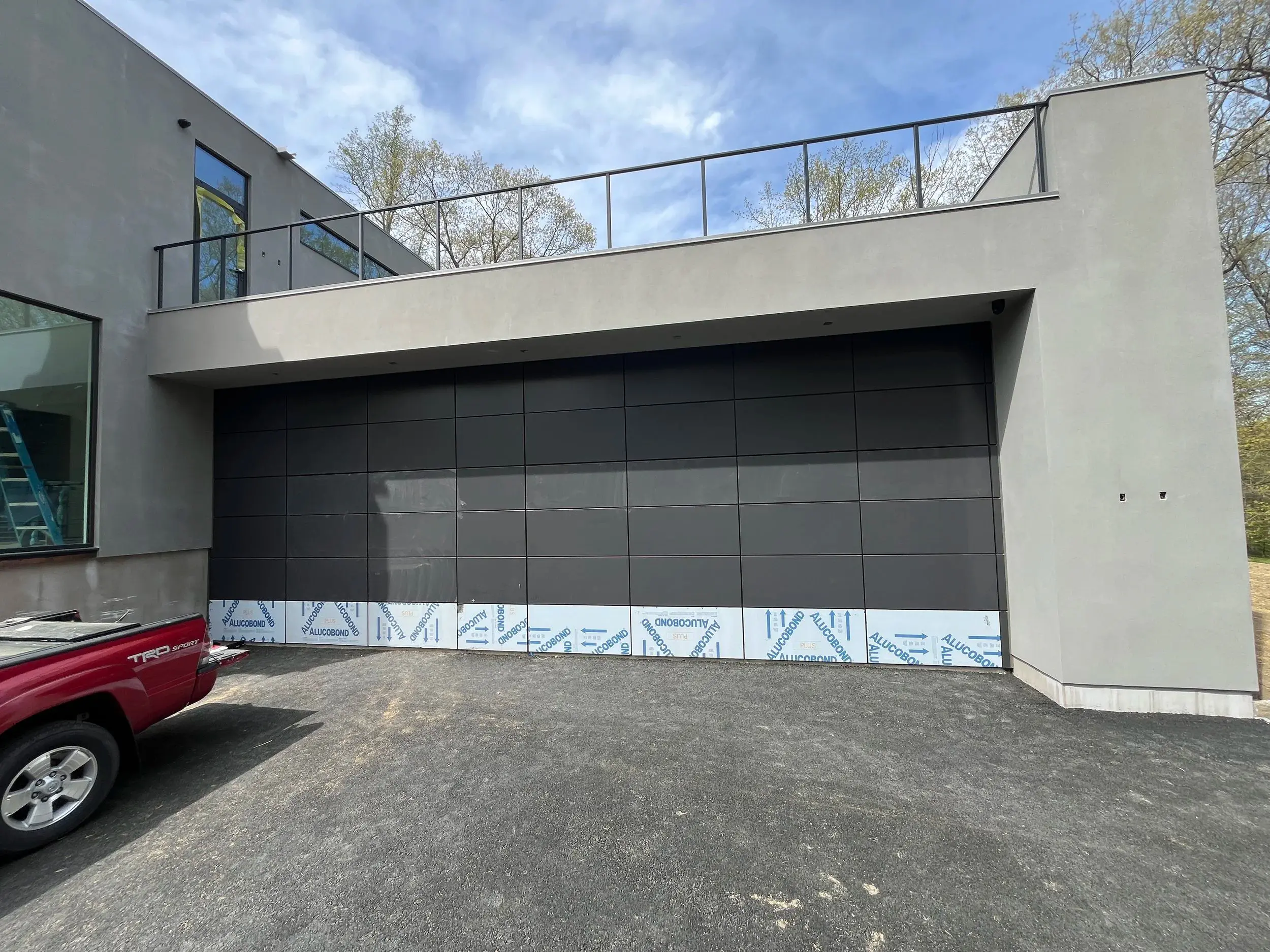
Most homeowners assume ordering a custom Flush Mount Door works like buying something off a shelf. You choose what you want, pay for it, and it shows up at your door a few days later. The reality is a lot more involved, and honestly, a lot more impressive.
A custom Flush Mount Door is not mass produced. Every single one is built to match a specific opening, a specific design vision, and a specific set of performance requirements. The process that takes a door from an initial sketch all the way to your driveway involves multiple skilled stages, careful quality checks, and a level of craftsmanship that standard doors simply cannot match. If you have seen photos of Flush Mount Garage Doors, you already know how clean and seamless the final result can look when everything is done right. This guide walks you through each stage of that process so you know exactly what is happening behind the scenes when you place a custom order.
Nothing moves forward without accurate measurements and a clear design direction. This first stage is where the entire project takes shape. A professional will assess your garage opening, take precise measurements of the width, height, and depth, and discuss the design elements you want the door to reflect.
This is also where material choices, panel configurations, window placements, and finish options are discussed. A Flush Mount Door sits completely flat against the exterior of the home when closed, which means the measurements need to account for the surrounding architecture with precision. Even a small miscalculation at this stage creates problems down the line.
For homeowners who want to understand the full value behind this level of customization, Why Custom Flush Mount Doors Are Worth the Wait breaks down exactly what makes the custom process worth every step.
What happens during consultation:
Once the consultation is complete, the design team translates your specifications into a detailed technical drawing. This draft is not just a sketch. It is a precise blueprint that includes exact dimensions, material callouts, hardware placement, and finish specifications.
You will typically receive a digital rendering or a detailed drawing for review and approval before any fabrication begins. This approval stage is critical. It is your opportunity to confirm that every detail matches your vision before materials are cut and components are assembled.
Why the approval stage matters:
Most professional Flush Mount Door fabricators will not move a project into production without written or digital approval from the customer. This protects both parties and ensures the finished door matches expectations.
With the approved design in hand, the production team moves into material sourcing. This stage is more involved than it might seem. Custom Flush Mount Doors can be fabricated from several different materials, and each one requires specific sourcing, preparation, and handling before it ever enters the fabrication area.
Common materials used in custom Flush Mount Door production:
The material chosen affects everything from the weight of the finished door to the type of hardware and spring system required to operate it. Getting the right material matched to the right application is something experienced fabricators take seriously.

This is where the project moves from planning to physical production. Using the approved blueprint and sourced materials, skilled fabricators begin cutting, shaping, and forming each component of the door to the exact specifications documented in the design phase.
Flush mount doors require a higher level of fabrication precision than standard doors because every panel must align perfectly with the surrounding exterior when the door is in the closed position. There is no room for gaps, misaligned edges, or inconsistent panel depths. The flush appearance that makes these doors so visually striking is entirely dependent on the accuracy of this stage.
What precision fabrication includes:
For a deeper understanding of the construction methods and materials that give Flush Mount Doors their durability, How Flush Mount Doors Are Built to Last for Decades covers the technical side of the fabrication process in detail.
Precision at this stage also affects long-term energy performance, as even minor gaps or inconsistencies can reduce insulation efficiency, which is especially important since garage doors are one of the largest openings impacting a home’s thermal envelope according to the U.S. Department of Energy.
A custom Flush Mount Door is only as good as the hardware system that operates it. Once the door panels are fabricated, the production team fits all operating components, including hinges, rollers, tracks, and the spring system that counterbalances the door’s weight.
This stage requires careful attention because the hardware must be matched specifically to the door’s weight, size, and material. A door that is too heavy for its spring system will be difficult to operate and will wear down components faster. A door with incorrectly sized tracks will bind, stick, or come off alignment during use.
Components fitted during this stage:
Every component is selected based on the specifications locked in during the design approval stage. Nothing is generic or interchangeable at this point in the process.
Proper hardware selection is not just about performance; it is also critical for safety, as outlined in garage door system safety guidelines, which emphasize regular inspection, correct spring calibration, and professional servicing to prevent failures.
With the door fully assembled and hardware fitted, the finishing stage begins. This is where the door receives its final appearance, whether that is a painted finish, a stained wood look, a powder coat, or a custom color matched to your home’s exterior.
Finishing on a custom Flush Mount Door is not the same as painting a standard door. The surface preparation, primer application, and topcoat process are all done with the door’s specific material and exposure conditions in mind.
Common finishing options:
Quality finishing adds years to the life of a custom door. A properly applied finish protects the underlying material from UV exposure, moisture, and temperature fluctuation, all of which can cause premature wear on an unprotected surface.
Before any custom Flush Mount Door is packaged and prepared for shipment, it goes through a thorough quality inspection. This is one of the most important stages in the entire process, and reputable fabricators treat it as non-negotiable.
What a quality inspection covers:
Any issue identified during inspection is corrected before the door moves forward. This protects the customer from receiving a door that does not perform or appear as expected, and it protects the fabricator’s reputation for delivering quality work.
Understanding what this inspection process means for your overall customer experience is something worth knowing before you place an order. What to Expect When You Order a Custom Flush Mount Door walks through the full customer journey, including what happens after the inspection is complete.

The final stage before the door reaches you is packaging and shipment. A custom Flush Mount Door is a large, precisely built product. Shipping it incorrectly can undo everything the production team worked to achieve.
How custom doors are prepared for shipment:
Delivery planning also takes into account the areas served, ensuring each order arrives safely and on schedule based on location, accessibility, and installation timelines.
Understanding what goes into a custom Flush Mount Door makes it much easier to appreciate why the timeline, the approval stages, and the investment involved are all worth it. This is not a product that comes off an assembly line. It is a door built specifically for your home, your opening, and your design vision.
Every stage from the first measurement to the final inspection exists to make sure the finished product performs and looks exactly as intended. When something this detailed is done right, the result is a door that enhances your home’s appearance, improves its energy efficiency, and holds up for decades with proper care.
Flush Mount Door Co. specializes in custom Flush Mount Garage Doors built to the highest fabrication standards. Their team guides you through every stage of the process, from initial design consultation to final delivery, making sure your door arrives ready to install and built to last. Contact us or give us a call to start your custom door project today.