Do Flush Mount Doors Need Professional Installation?

A flush-mount door is designed to sit flush with the exterior wall, creating a seamless look that improves curb appeal and supports modern architectural design. Because this garage door becomes part of the home’s exterior, precise installation affects alignment, insulation, durability, and daily functionality.

In Bridgeport, CT, homeowners often compare product photos and expect the same clean finish, but the final result depends on framing accuracy, track geometry, and sealing details. This guide explains when professional installation is the right choice and which factors determine whether a Flush Mount system is safe and high-performing.

What Should You Know Before Installing a Flush Mount Door?

A Flush Mount Door requires a square rough opening, an accurate track layout, and tight sealing against the exterior wall to achieve a true flush finish, so installation planning in Bridgeport, CT, should confirm the key items below before scheduling work.

Key installation details that must be verified include:

  • The rough opening is level, plumb, and supported to keep the door face aligned with the part of the exterior wall around the opening.
  • Track geometry and headroom allow the sectional door to move through its curved path without shifting the exterior reveal.
  • Hardware and special hinges match the door build, so the Flush Mount system stays stable as it cycles.
  • Weather seals sit evenly, so perimeter gaps do not reduce insulation performance or increase heat loss.
  • Opener compatibility and mounting geometry support precise installation, so the door runs smoothly without added strain.


To understand how these readiness factors relate to delivery timing and responsibility before installation day, read our guide on Shipping vs Local Install: What to Expect with a Flush Mount Door, which explains how the delivery changes based on how the door is supplied.

Key Factors That Determine Whether Professional Installation Is Necessary

Door Weight, Panel Construction, and Handling Requirements

Heavier panels and rigid builds increase handling and balance demands, so professional installation is often necessary.

Key handling risks to account for include:

  • Heavier panels that demand controlled lifting to protect the face and edges
  • Stiffer construction that can magnify alignment errors at the exterior plane
  • Larger door sizes that strain standard hardware if specifications are off
  • Multi-layer builds that require careful staging to avoid surface damage
  • Limited maneuvering space near the opening that increases setup difficulty

Professional installers match springs, tracks, and lift hardware to the door’s true weight to reduce damage and protect performance.

Opening Preparation, Framing Accuracy, and Structural Support

Square framing and solid support control flush alignment, so professional installation is often needed if the opening is not accurate.

Framing readiness checks typically include:

  • Side jambs that are plumb, so the door face does not tilt outward
  • A level header that prevents uneven top reveal and visible gaps
  • Solid mounting surfaces that hold track brackets without flexing
  • Correct depth alignment so the door sits flush against the exterior wall plane
  • Confirmed measurements that match the door order and hardware layout

Proper opening preparation supports a clean reveal, steady operation, and a consistent flush appearance across the full width.

Track Layout, Headroom Constraints, and Hardware Compatibility

Tight headroom and track geometry affect smooth travel, so professional installation helps prevent binding and misalignment.

Track layout points to verify include:

  • Headroom clearance that matches the track radius and spring setup
  • Correct track spacing to prevent rubbing and uneven travel
  • Secure bracket placement that keeps rails stable under load
  • Hardware compatibility that matches the door design and weight
  • Smooth transition zones that prevent binding during movement

Accurate track layout prevents noisy cycling, premature wear, and visible alignment changes that can ruin the flush look.

Weather Sealing, Perimeter Gaps, and Thermal Movement

Seal fit and material movement affect gaps and leakage, so professional installation helps maintain consistent perimeter sealing.

Sealing priorities usually include:

  • Side and top weatherstripping that stays in contact through the full travel range
  • Bottom seal compression that meets the floor without overbinding
  • Even the perimeter reveals that reduce wind-driven rain entry
  • Material movement allowance so seasonal expansion does not warp alignment
  • Consistent closing pressure so the door does not bounce or rebound

The U.S. Department of Energy explains how weatherstripping reduces drafts and moisture entry, reinforcing perimeter gap control and seal compression in a Flush Mount installation.

Opener Type, Mounting Geometry, and Force Settings

Opener pairing and calibration affect safe operation, so professional installation helps avoid strain and unsafe settings.

Opener setup elements to confirm include:

  • Correct mounting position so the door runs straight without side loading
  • Travel limits that stop the door at the right open and close points
  • Force settings that support smooth motion without crushing the seal line
  • Safety reversal verification after adjustments to confirm responsive stopping
  • Hardware connection points that handle load without loosening over time

Travel and force setup affects safe door movement, and LiftMaster notes that every adjustment should be verified with a safety reversal test after calibration.

Finish Protection, Surface Alignment, and Aesthetic Tolerances

Flush surfaces expose small alignment errors quickly, so professional installation helps protect the finish and maintain even reveals.

Finish and alignment priorities often include:

  • Surface protection during handling to prevent scratches and dents
  • Consistent panel alignment so the face reads flat from the street
  • Tight, even reveals that reduce uneven shadow lines
  • Correct use of hardware so movement stays stable through the full cycle
  • Final verification from multiple viewing angles for a true flush visual

High-precision alignment preserves the intended design intent and avoids small visual issues that become obvious on a flush-style face.
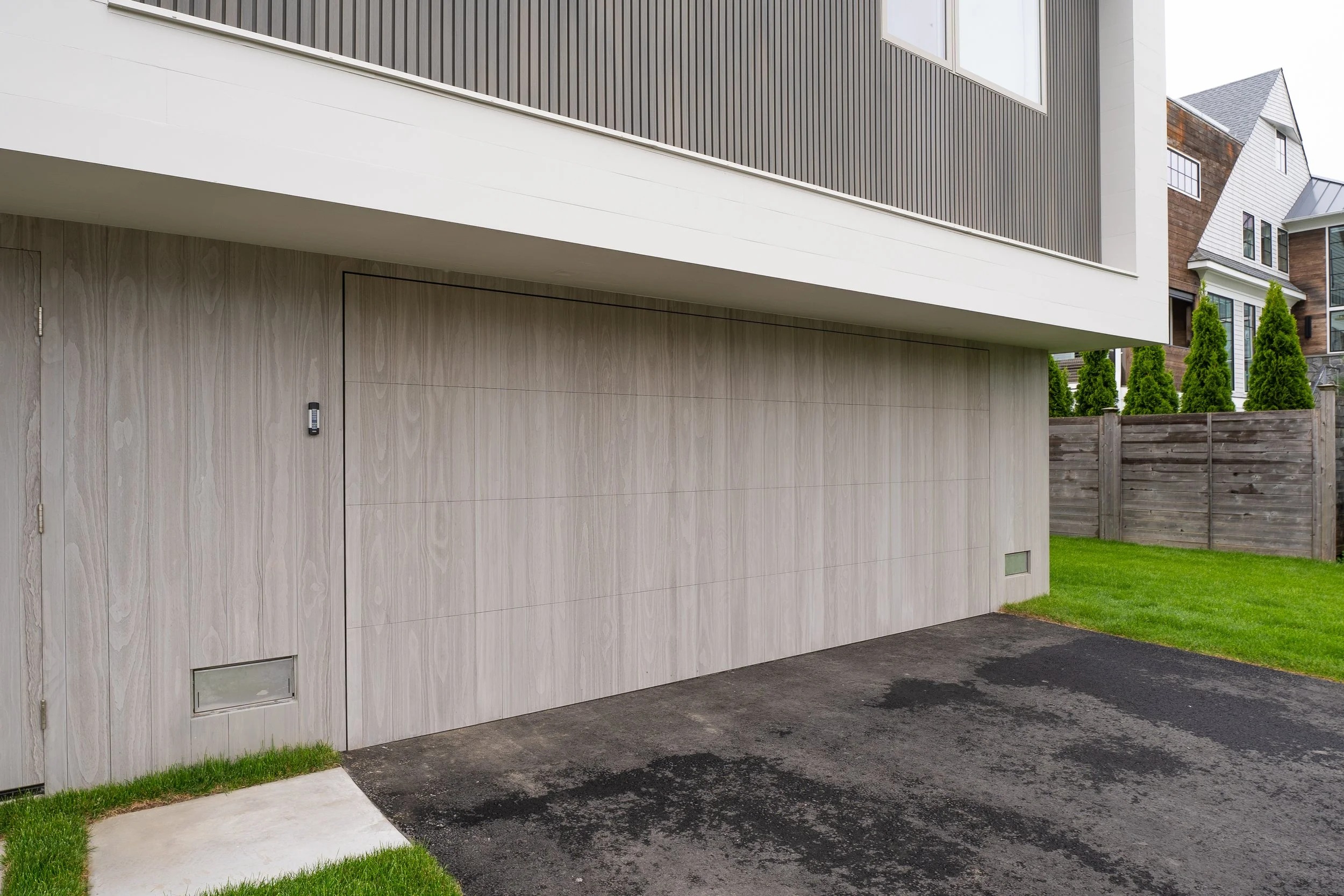
garage door repair texas

What Professional Installation Typically Includes

Professional installation covers the critical setup and safety steps that keep a Flush Mount Door aligned, sealed, and operating smoothly in Bridgeport, CT.

Installation work usually includes:

  • Verifying the rough opening, clearances, and mounting surfaces
  • Assembling tracks and hardware for smooth sectional travel
  • Balancing springs to match door weight and reduce strain
  • Connecting and calibrating the opener with safety checks
  • Final testing for seal contact, alignment, and quiet operation

Thorough setup protects durability, insulation performance, and consistent curb appeal by confirming the door runs correctly from day one.

Common Problems When Installation Is Not Professionally Managed

Poor installation can cause visible misalignment and performance issues that shorten the life of a Flush Mount Door in Bridgeport, CT.

Common problems include:

  • Uneven reveals and shadow lines that break the flush look
  • Air and water leaks from weak perimeter sealing
  • Noisy cycling from track spacing or hardware bind
  • Premature wear on hinges, rollers, and lift parts
  • Opener strain from imbalance and incorrect force settings

Professional installation reduces rework and protects long-term functionality by keeping the system balanced, aligned, and sealed.

How Professional Installation Teams Keep Alignment Consistent On Site

On-site conditions can quickly shift the alignment of a Flush Mount Door, so professional installation relies on controlled sequencing to keep the face true and the system stable in Bridgeport, CT.

Alignment controls usually include:

  • Leveling tracks and confirming spacing before hanging sections
  • Checking panel-to-panel alignment to prevent face ripple
  • Balancing spring tension so travel stays smooth and even
  • Verifying seal contact to avoid perimeter gaps and heat loss
  • Testing opener limits and safety reversal under real load

Detailed sequencing and Bridgeport-specific steps are covered in our guide on How Is a Flush Mount Door Installed in Bridgeport, CT?, which explains how professionals maintain a seamless look while protecting durability and daily functionality.

Post-Delivery Inspection and Scheduling Impact the Installation Outcome

Shipping condition and scheduling timing affect finish protection and installation accuracy, so post-delivery review helps keep a Flush Mount Door aligned and sealed properly in Bridgeport, CT.

Post-delivery priorities often include:

  • Checking panels and edges for shipping damage before handling
  • Confirming hardware, hinges, and fasteners match the order
  • Staging sections safely to protect the exterior-facing surface
  • Verifying the rough opening is ready before the install date
  • Scheduling promptly to limit exposure to harsh weather conditions

Post-arrival checks and what to document are detailed in our guide on What Should You Check When a Flush Mount Door Arrives Shipped?, which explains how homeowners confirm readiness and protect the door finish before installation begins.

Why Professional Installation Matters for Long-Term Performance

Long-term performance depends on proper balance, sealing, and alignment, so professional installation helps a Flush Mount Door remain durable and reliable through daily use in Bridgeport, CT.

Key long-term benefits include:

  • Stable operation that reduces wear on hinges and lift parts
  • Consistent perimeter sealing that limits drafts and moisture entry
  • Better insulation performance that helps reduce heat loss
  • Lower risk of opener strain from imbalance or mis-set limits
  • Minimal upkeep from smoother travel and fewer binding points

Long-term performance improves when installation support is available for follow-up alignment and seasonal sealing checks, and across many areas served, professional teams help keep a Flush Mount Door balanced, sealed, and consistent over time.
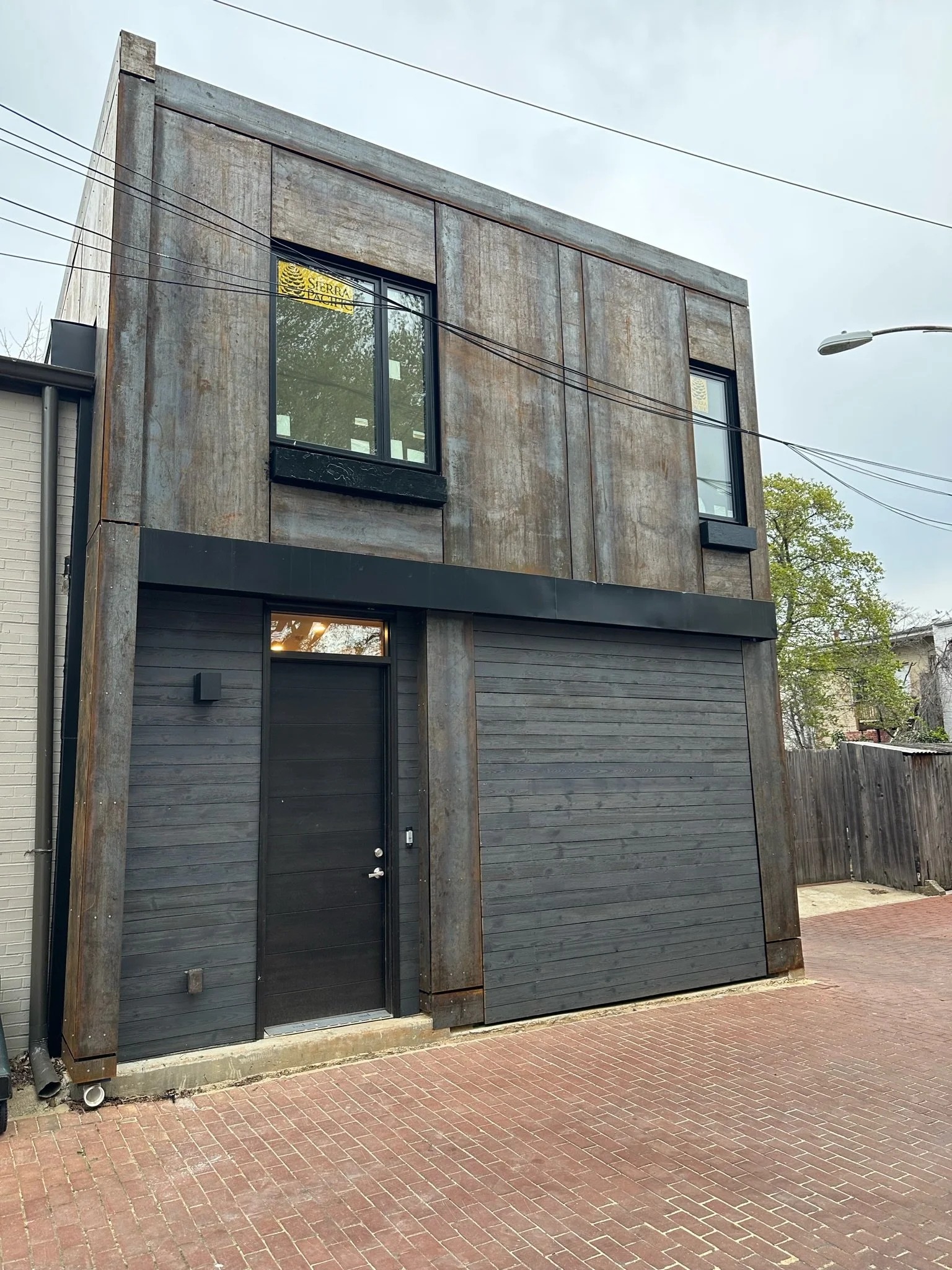
Flush mount door

Choosing Professional Installation for a Flush Mount Door in Bridgeport, CT

Professional installation helps a Flush Mount Door sit flush, seal tightly, and operate smoothly, protecting curb appeal, insulation, and long-term durability in Bridgeport, CT. Choosing the right installer also reduces alignment issues that can affect the exterior wall plane, shadow lines, and overall functionality.

Flush Mount Door Co. delivers exceptional service with craftsmanship, precision, and experience that support a seamless look and reliable daily performance. When a new door or replacement is on your schedule, contact us or give us a call today to book a consultation and confirm the next steps.

Frequently Asked Questions

Will a professional installation affect the manufacturer’s warranty coverage?

Yes. Professional installation often supports warranty eligibility by confirming the door is set up to manufacturer specs and safety standards. Using a Flush Mount Garage Door company can also simplify documentation if warranty questions come up later.

It depends. Door size, opening readiness, and hardware complexity affect timing, and Flush Mount Garage Doors may take longer due to tighter alignment and sealing checks. Site access and weather in Bridgeport, CT, can also impact the schedule.

Rough opening width and height should be confirmed first. Headroom, sideroom, and backroom clearance also need verification to ensure the tracks and the opener fit correctly without shifting the flush face.

Yes, sometimes. Opener reuse depends on lift capacity, mounting geometry, and whether the opener can be calibrated for the door’s weight and travel path. A compatibility check helps prevent strain and inconsistent movement.

Tight access and incomplete opening prep often cause delays. Uneven floors, framing that is not square at the rough opening, blocked work areas near the door, or unfinished electrical readiness for the opener can also delay the install date.

Often, yes. Track radius, spacing, and hardware selection may change to keep sections moving smoothly while maintaining a flush exterior plane. A track plan matched to the door build helps prevent binding and misalignment.

Protective padding and careful staging help prevent dents and scratches. A custom garage door finish also benefits from controlled lifting and clean work zones to avoid surface damage during assembly.

Uneven reveals and visible shadow lines are common issues. Misaligned tracks, a non-square opening, or an incorrect spring balance can shift the door face and disrupt the flush look over time.

Yes. Insulation affects door weight and sealing requirements, which in turn change spring sizing and setup details. Finalizing insulation early helps the installer balance the system correctly from day one.

Warranty details and product manuals should be provided. A receipt or work summary is also important, and documentation should note key setup details like spring balance, opener safety testing, and any finish care guidance for Flush-Mount Garage Doors.