
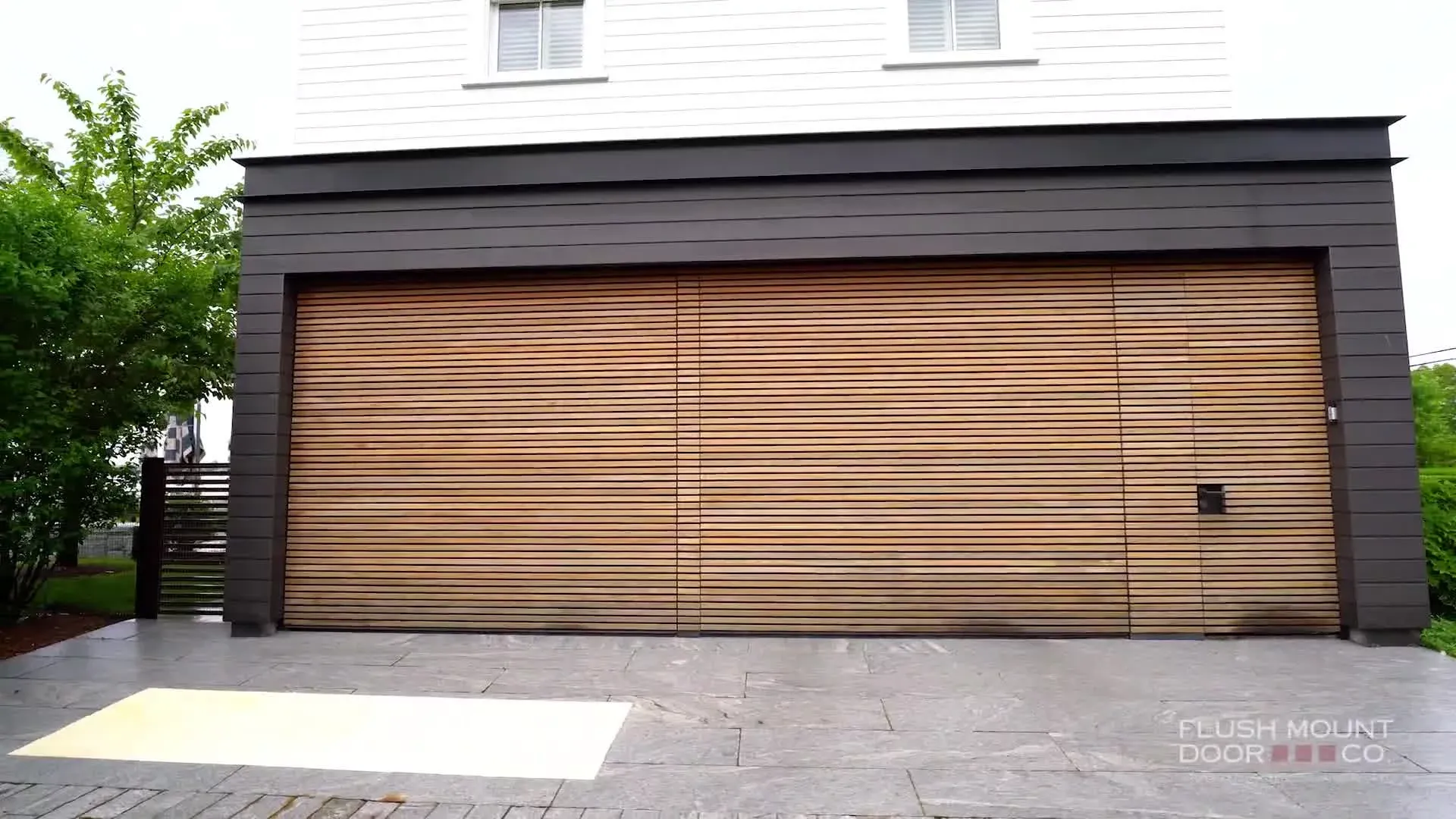
When you choose a garage door, you are selecting a major part of how your house presents itself from the street. Among the many styles available today, Flush-Mount Garage Doors have become a leading option in modern home design because they create a clean, uninterrupted face. This approach goes beyond basic function, giving the exterior a refined look that feels intentional and current.
Unlike doors with raised patterns or heavy detailing, a Flush Mount Door sits smoothly within the opening, so it aligns with the home instead of competing with it. The result is a garage door that feels built into the architecture, especially when the rest of the exterior relies on simple lines and balanced proportions you often notice in flush-mount door photos. If you want a home that looks fresh and visually consistent, it helps to understand what sets modern garage door styles apart before you decide.
A flush-mount garage door creates a seamless look by sitting flat against the exterior, so the door reads as part of the wall rather than a separate feature. Instead of raised panels or deep grooves, it uses a smooth surface and clean lines, which gives the front of the home a calmer and more modern feel, even when the architecture leans traditional. Because the design can align with surrounding materials and colors, it supports curb appeal in a way that feels natural and lasting, especially when you want a custom garage door that looks intentional rather than ornamental.
For a deeper look at how this style fits different homes, read “What Is a Flush Mount Garage Door, and Is It Right for Your Home?”
The defining idea behind a Flush Mount surface is integration, since the door is designed to visually merge with the exterior wall when it is closed. Set level with the surrounding cladding, whether that cladding is stone, stucco, wood, or another finish, the garage opening stops looking like a break in the facade and starts feeling like a continuation of it. That effect is strongest on homes with simple geometry and clear horizontal or vertical lines, because the Flush Mount approach reduces the outlines and shadow gaps that usually frame a garage door.
By minimizing those visual interruptions, the rest of the exterior gains room to breathe, and the main architectural features stay in focus instead of competing with a busy door profile. Rather than feeling like an add-on, a flush-mount garage door looks like it was considered from the start, which is why it often appeals to homeowners who care about a unified exterior and a sleek finish that holds up stylistically over time.
Flush-mount garage doors are easy to recognize once you know what to look for, because their visual language is deliberately restrained. There are no raised panels, decorative trim, or prominent hardware pulling attention forward, since the surface is meant to stay flat and quiet against the wall. What you notice instead is alignment, with the door face sitting on the same plane as the surrounding exterior, so the garage becomes part of the overall composition rather than a separate statement.
Another hallmark is material continuity, because the door can be finished to match the cladding used on the rest of the home. When the same wood tone, stone texture, composite finish, or stucco color carries across the opening, the door appears to recede into the facade, creating a connected look that feels modern without trying too hard. The defining traits usually come down to a few consistent details:
Together, these elements create a garage door that supports curb appeal through simplicity and cohesion, giving the exterior a modern, flush garage door look that doesn’t distract from the architecture.
Garage doors do more than close off a space, since they shape a large portion of what your home communicates to the street. Flush-mount garage doors stand apart by leaning into calm, uninterrupted surfaces, which lets the exterior feel cleaner and more cohesive. Instead of calling attention to the garage as its own feature, this style supports the overall architecture and helps curb appeal look effortless rather than engineered.
Compared with styles that rely on strong panel profiles or decorative detailing, Flush-Mount Garage Doors keep the face smooth and visually quiet, which makes them especially suited to modern and streamlined homes. That simplicity also tends to feel less demanding over time, because the design avoids intricate surfaces that draw the eye to every shadow or seam. For homeowners who want something that looks intentional while staying visually tidy year after year, the Flush Mount approach often lands in the sweet spot.
For more on long-term performance, check out “Flush Mount Garage Door Durability Factors You Should Know.”
The clearest difference between flush-mount doors and traditional panel doors shows up in how each one sits within the opening, because that placement changes the way light and depth read on the facade. Traditional designs are typically recessed inside the frame, which creates a step back from the exterior wall and produces visible shadow lines along the perimeter. Add raised or recessed panels to that profile, and you get even more layering, which makes the door feel detailed and dimensional.
Flush-mount garage doors are built to align with the exterior cladding instead, so the door face lands on the same plane as the surrounding wall. Because the recess disappears, so do most of the shadow breaks that announce a garage door from across the driveway. Even when the door is sectional, the seams are usually tighter and less visually dominant, which protects the impression of a single, continuous surface. That alignment is what gives Flush Mount designs their signature look.
Here’s a simple side-by-side view of how the two styles compare:

Traditional garage door profiles are designed to complement classic architecture, which is why they prioritize depth, texture, and visible detailing. Raised or inset panels create visual rhythm across the door face, giving the garage a crafted, familiar character that fits naturally with homes built around ornament and historical proportion. The goal is not to disappear into the facade, but to add dimension that breaks up the wide surface and makes the garage feel like a settled part of the home’s identity.
Materials and decorative accents often reinforce that intent, because traditional styles typically highlight grain, pattern, trim, or hardware that’s meant to be seen. Where Flush-Mount Garage Doors aim for calm continuity, traditional doors lean toward presence and contrast, so the garage becomes a visual anchor instead of a neutral backdrop, which is a distinction homeowners notice across different flush-mount door service areas. In the end, it’s a difference in philosophy more than function, since traditional designs celebrate detail and Flush Mount designs refine it away.
Flush-mount garage doors are valued for the way they combine a sleek profile with real-world practicality, especially when the rest of the home leans modern. Because the door surface sits smoothly in line with the exterior, it supports curb appeal without adding visual noise, which helps the front of the house feel polished and intentional. Beyond appearance, this style tends to suit a wide range of exterior layouts while holding up well in everyday use, which is why homeowners often see it as a smart, long-term fit when they want something clean, durable, and visually consistent. Since many Flush-Mount Garage Doors can be tailored in finish and surface detail, the design can feel personal to the home instead of looking like a default choice.
To compare this style side by side, explore “Flush Mount Garage Door vs. Traditional Styles: Pros, Cons, and Best-Fit Homes.”
The visual strength of a flush-mount garage door comes from its continuity, as the door aligns with the wall, eliminating the deep outlines and heavy shadow gaps typical of recessed openings. When that break disappears, the home reads as a single, unified form, allowing the eye to travel across the facade without stopping at a bulky garage profile. This makes the exterior feel calmer and more refined, particularly on homes that rely on simple geometry, large wall planes, or balanced proportions.
That seamless effect also lets the rest of the architecture take the lead, since materials and design features around the garage can remain the focal point rather than competing with a busy door face. Whether the exterior uses brick, stone, wood, or smooth cladding, the Flush Mount style supports those elements by staying visually quiet, which creates a first impression that feels deliberate and well put together. In that way, the garage door stops being an interruption and becomes a natural extension of the overall design.
Flush-mount garage doors pair naturally with contemporary architecture because both styles emphasize clean lines and uncluttered surfaces. Without raised panels or ornate detailing, the door aligns with the design language of modern homes, where form, proportion, and material take priority over decoration. When used on newer builds, the result is an exterior that feels crisp and cohesive, which reinforces the home’s modern identity rather than distracting from it.
They also work well in transitional settings, where modern simplicity needs to sit comfortably beside traditional cues. Because a flush-mount door can echo surrounding finishes, it can feel fresh without looking out of place, especially when the home blends classic shapes with updated exterior materials. This style supports homes and buildings that aim for a unified front, including those with:
Across these settings, Flush-Mount Garage Doors help the architecture read as one complete composition, since they blend in cleanly and strengthen the overall curb presence, a point often echoed in testimonials for flush-mount doors.
What sets Flush Mount Garage Doors apart is how naturally they lend themselves to customization, since the style isn’t confined to a narrow set of stock looks. Rather than choosing from a few preset designs, homeowners often shape the final result around the exact needs of the project, which makes the door feel purpose-built for the home instead of simply added on. That flexibility goes well beyond color alone, because the materials, surface character, proportions, and overall scale can be aligned with the architecture so the garage door feels like an intentional extension of the exterior.
When you work with a flush-mount garage door company that understands this style, the customization process becomes even more precise because each decision can be tied back to the home’s facade. Materials can be selected to echo the surrounding cladding, finishes can be tuned to match the exterior tone, and section sizes can be planned so the door reads cleanly at street level. With that level of control, a custom garage door doesn’t just fit the opening; it fits the home’s design language.
A flush-mount garage door can be tailored in subtle or bold ways, depending on how closely you want it to blend with the exterior. Material choices shape the character first, because wood, metal, and composite surfaces each bring a different texture and visual weight while still supporting the flat, seamless face that defines Flush-Mount Garage Doors. Finishes follow naturally from there, since the surface can be matched to nearby stone, stucco, siding, or other exterior treatments, creating a unified look that feels consistent across the entire facade.
Panel layout adds another layer of customization, because section height and spacing can be planned to suit the home’s proportions rather than fighting them. Even the direction of surface grain or linear patterning can be aligned with the architecture, which helps reinforce clean lines and makes the door feel integrated when viewed from the curb, while durability considerations stay tied to the same exterior-surface principles noted by Building America Solution Center. Depending on the design, glazing can be included to introduce light and visual balance, as long as it supports the overall Flush Mount look.
Key options typically include:
Achieving the smooth, seamless look of a Flush Mount Garage Door depends on careful coordination across the entire build, which is why a Flush Mount Garage Door company typically stays involved from early planning through final delivery. The process often begins while the home is still in design, because precise framing guidance has to be shared with the architect and builder so the opening is prepared to sit perfectly level with the exterior cladding once it goes on. As construction moves forward, the company confirms measurements, materials, and structural requirements with the project team, ensuring everything aligns before the door is fabricated, then the door is built to match the exact specifications so it fits and finishes cleanly in place. Installation components are selected to suit the door’s weight and intended operation, and when the project is outside the company’s local area, the door system can be delivered ready for straightforward setup, which helps the final result look exactly as integrated and intentional as the original design intended.
Flush-mount garage doors give a home a modern, clean presence, which is why they have become a leading choice for exteriors built around updated design. Once you understand what defines this style, it becomes easier to choose a flush-mount garage door that performs well while strengthening curb appeal. With smooth outer lines and flexible design options, Flush-Mount Garage Doors support today’s architectural trends without sacrificing durability or everyday function, especially when the goal is a garage door that looks intentionally integrated with the rest of the facade.
If you’re ready to bring that seamless look to your own exterior, Flush Mount Door Co. is built around this style from the ground up, focusing on Flush Mount Garage Doors that align cleanly with modern and transitional homes. Our team works with your project’s design direction to deliver a door that feels like part of the architecture, not an afterthought, so the finished result looks cohesive from every angle. Contact us today or give us a call to start your flush-mount garage door project.
Flush-mount garage doors are most common in residential settings, especially on modern or transitional homes where a seamless exterior matters. They can also suit select commercial buildings when the design calls for a clean, understated facade, provided the structure supports a flush, integrated look.
With a custom garage door in a flush-mount style, you can tailor the size, section layout, and surface finish to match the home’s proportions and exterior materials. Options usually include different material types, coordinated finishes, and the choice between a fully solid face or one that incorporates glazing, depending on the level of minimalism you want.
Flush-mount garage doors improve curb appeal by sitting level with the exterior wall, which removes the recessed breaks and shadow lines that visually separate most garage openings. Because the door reads as part of the facade rather than an add-on, the front of the home feels cleaner, more cohesive, and more architecturally intentional.
A flush-mount garage door is built to align with the exterior wall, creating a flat, continuous surface across the garage opening. Traditional designs usually sit slightly recessed and use raised or recessed panels for depth, so they stand out visually instead of blending into the architecture.
For modern homes, the biggest benefit is visual alignment, since a flush-mount garage door reinforces clean lines and minimalist design in the way contemporary residential exteriors are trending, as noted by NewSchool of Architecture & Design. It also delivers reliable everyday performance through durable construction and straightforward upkeep.
The main drawback is that Flush-Mount Garage Doors require precise planning and framing because the door must line up perfectly with the exterior cladding to achieve the intended look. That coordination makes the process more exacting than standard profiles, even though it’s what produces the seamless result.
The three broad categories are sectional doors, carriage-style doors, and slab-style doors. Flush-mount garage doors typically fall under sectional construction, using a flat exterior face that’s designed to read as a single, smooth plane when closed.
A modern-style garage door is defined by simplicity, clean geometry, and minimal surface detailing. A flush-mount garage door fits this approach by keeping the face flat and aligned with the wall, so the overall exterior feels calm, streamlined, and architectural.
Traditional garage doors emphasize depth and ornament through raised panels, visible framing, and detailed profiles that create texture. Flush-mount garage door designs remove those features, prioritizing a smooth surface that blends into the facade rather than standing apart from it.
Materials that work best for Flush-Mount Garage Doors are those that support a smooth, unified surface while complementing the exterior, such as quality wood, durable composites, and clean-lined metal finishes. The right choice depends on the texture and tone you want to carry across the garage opening while maintaining the flush, seamless look.