
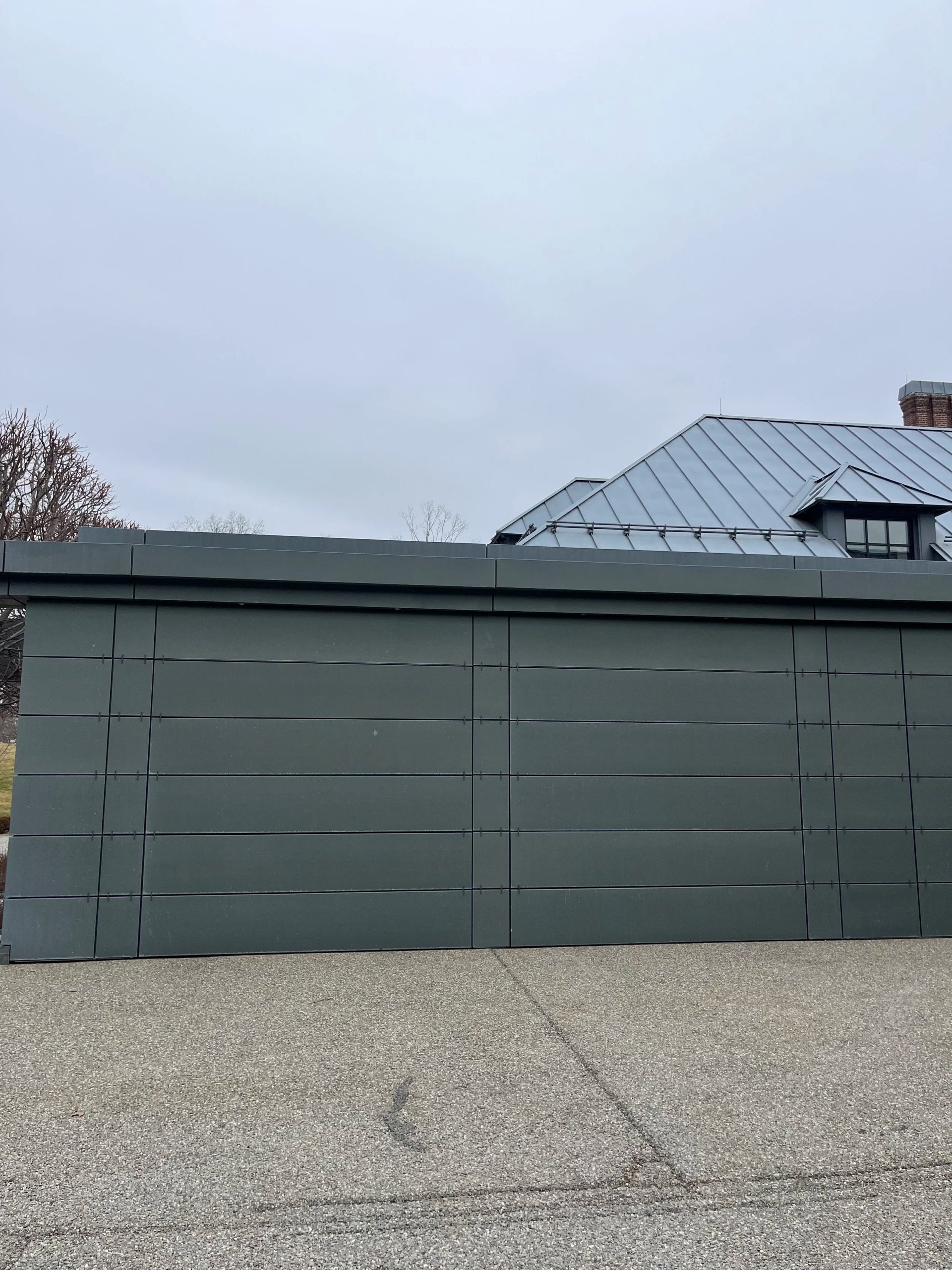
Choosing a new garage door means deciding on something that shapes both your home’s security and its overall appearance. With so many styles available, from carriage-house-inspired designs to sleek modern profiles, it’s easy to see why homeowners take time to weigh their options before committing to one.
Among those options, the flush-mount garage door has become a favorite for today’s new builds, largely because it sits level with the exterior wall and creates a clean, seamless look. It blends naturally into the home’s façade, giving the entry a refined, contemporary feel without calling attention to itself, which is easy to appreciate when you look through Flush Mount Door photos that show how well the style integrates with modern exteriors. While the visual appeal is a big part of its popularity, durability matters just as much, especially for a door that’s used daily and exposed to the elements year after year. You make a smarter long-term choice when you understand what contributes to the strength and lifespan of a Flush Mount Garage Door, since that knowledge helps you select a design that stays both attractive and reliable over time.
A flush-mount garage door lasts only as long as the material at its core, which is why what sits beneath the surface matters as much as the clean exterior it creates. Steel is a frequent choice because it delivers reliable strength and stands up well to demanding weather, which is why many flush-mount garage door companies continue to use it for long-term performance. Composite materials are also common, especially when a seamless look and steady durability are priorities, since they resist many of the problems that can shorten a door’s life. For homeowners who want a warmer, more classic appearance without losing the streamlined profile of Flush-Mount Garage Doors, engineered wood offers a strong middle ground that works across both traditional and modern exteriors. You can choose a custom garage door that stays solid and visually consistent over time once you understand how each core option behaves under daily use.
If you want a clearer picture of how these materials fit your space, check out “What Is a Flush Mount Garage Door, and Is It Right for Your Home?”
Most Flush Mount Garage Doors are built around steel, aluminum, or wood, and each one shapes durability in a different way. Steel is known for its structural strength, giving the door a secure, impact-resistant foundation that performs reliably year after year. Aluminum provides a lighter build that reduces overall system load while maintaining strong corrosion resistance, helping it stay stable in damp or salt-air environments. Wood brings natural depth and character that can elevate a home’s exterior, though its organic makeup makes it more sensitive to long-term exposure. Composite construction bridges that gap by preserving a wood-like appearance while improving resistance to warping, cracking, and surface breakdown, so the door holds its shape and finish more consistently over time.

Modern flush garage door designs are shaped for durability in part because their flat, even surface leaves fewer recesses where water can collect, even though real longevity still depends on how the core material reacts to stress. Moisture is one of the biggest challenges over time, and aluminum and composite cores handle it well because aluminum doesn’t rust and composites resist swelling, rot, and distortion in wet or humid conditions. Steel can also perform strongly against moisture when it has proper surface protection, while natural wood remains more vulnerable because it can absorb water and shift unless consistently protected.
Here’s how the materials typically perform against heat and impact:
A Flush Mount Garage Door holds up over time because it’s engineered to support a wide, flat surface without sacrificing the seamless profile that defines this style. Behind the clean exterior, a reinforced frame and internal bracing work together to resist stress from wind, temperature shifts, and daily operation, giving the door the structural backbone it needs while keeping the outside lines smooth and modern. Materials and panel systems are selected not only for how they look from the street, but for how consistently they perform when the door is opened, closed, and exposed to the elements year after year. The result is a door that stays reliable and visually composed over the long term, especially when its strength comes from the build beneath the surface rather than decorative contours.
For a quick, clearer breakdown of what sets this style apart, take a look at “Flush Mount Garage Door Basics: What Makes This Style Different.”
The stability of a flush-mount garage door depends heavily on panel construction, since this design doesn’t rely on raised sections or dimensional shapes to add rigidity. Because the face is intentionally flat, the door needs reinforcement inside each panel to prevent flexing or gradual distortion across the broad surface. That internal support functions like a hidden framework, keeping the door firm and aligned so it can maintain its clean look without developing waviness or weak points over time. This is what separates Flush-Mount Garage Doors from more traditional panel styles, which gain strength from their exterior geometry, since a flush-mount door must earn its durability through what’s built behind the skin. When panels are properly reinforced, the door stays steady even at larger sizes, preserving smooth operation and sharp lines because the strength is engineered into the core.
Long-term performance also depends on how the frame and support system carry the door’s weight, especially when the design is meant to sit flush with the surrounding wall. A well-structured frame anchors the tracks and moving hardware in a way that keeps everything aligned, so the door travels cleanly without dragging, shifting, or wearing unevenly, which is a standard focus across Flush Mount Door service areas where doors see constant daily cycling. Load balance matters just as much as frame strength, since weight is distributed across the tracks, rollers, and structural supports rather than concentrated in one area. When that distribution is matched to the door’s material and build, the system remains stable and consistent through repeated use, with added rigidity often provided by the door’s insulated or layered construction.
A strong frame and support system typically reflects three durability essentials:
The design choices you make for a Flush Mount Garage Door shape more than its appearance, since they directly affect how well the door holds up over time. Core selections, such as composite timbers or natural wood, influence both structural strength and visual harmony, allowing the door to sit cleanly within the architecture rather than fighting it. When the design favors refined, uninterrupted lines and materials that remain stable under harsh conditions, the door is better equipped to resist long-term wear while maintaining a composed exterior. In that way, the right design doesn’t just elevate curb appeal, because it also supports durability for years of daily use.
If you want to see how this style compares side by side with other options, “Flush Mount Garage Door vs. Traditional Styles: Pros, Cons, and Best-Fit Homes” is a helpful next read.
A custom garage door’s finish plays a quiet but essential role in durability, because it shields the surface from weather exposure while preserving the door’s color and texture. A high-performing finish resists sun fading and slows corrosion on metal, helping the door maintain the seamless look that Flush Mount designs are known for, even after years outside. Since different materials respond differently to the elements, the finish has to match the door’s construction, with steel and aluminum relying on layered coatings that block moisture and reduce the risk of rust. Just as important as the type of finish is how evenly it’s applied, because a consistent seal across every edge and panel is what creates lasting protection.
Wood requires a different approach, since it benefits from finishes that repel water without trapping it, allowing the material to remain stable while still breathing naturally. Exterior-grade stains and paints often include UV resistance, helping slow fading and surface breakdown so the door keeps its depth and character longer. Whether the goal is to highlight the grain with a clear stain or create a distinct look with an opaque finish, the protective layer is what preserves both the door’s strength and its visual clarity over time.
Long-term reliability is also shaped by the style features built into a custom garage door, especially when those features help prevent warping or stress as conditions change. Material choice remains the biggest influence, since natural wood offers timeless warmth but can react to shifting humidity and temperature, while engineered or composite alternatives are designed to stay steadier with less movement. Because composite construction blends wood fibers with resins, it holds its form more consistently through wet seasons and hot stretches, which helps the door keep its flat, clean profile without developing bends across large spans.
Beyond the base material, several design details can reduce strain across the door and its working system, particularly when they support structural balance and echo the real-world durability owners often point to in testimonials for flush-mount doors.
A reliable flush-mount garage door company treats durability as a system-level commitment, knowing the door can only perform as well as the parts holding it together. Because of that, every component is selected against strict quality benchmarks, especially the hardware that carries the door’s weight and controls its movement. Tracks, rollers, hinges, and seals are chosen for strength and long-term stability, since these hidden pieces absorb daily stress and determine whether the door stays smooth, secure, and dependable over years of use. When a company coordinates with a builder or project manager, those standards show up in the hardware specifications they require, which signals how seriously they take long-term performance even when the most important elements aren’t visible from the curb.
Tracks, rollers, and hinges endure repeated loads every time a flush-mount garage door opens or closes, making their durability a major factor in how long the entire system lasts. That strain is even more noticeable with modern, wide, or custom Flush-Mount Garage Doors, where extra surface area and weight increase demands on every moving part, so strong tracks are essential for keeping travel aligned and steady while reducing the risk of bending or drifting over time. Durable rollers support consistent movement and help control noise as the door cycles. Hinges carry the connecting load between panels to preserve structural integrity under motion, which means they must withstand stress without loosening or deforming as the door ages, especially in environments where corrosion can accelerate wear, as explained by NASA.
Over the long run, the difference between high-grade and low-grade hardware becomes clear in how the door feels and performs:
A Flush Mount Garage Door stays dependable when its seals and internal parts are built to handle daily stress and weather exposure. Strong hinges, rollers, springs, and cables keep movement steady, while durable seals block water, dirt, and wind that can wear down the door over time. Weaker seals often crack or flatten as seasons pass, letting moisture in and speeding up deterioration, whereas flexible, long-lasting seals preserve protection with minimal upkeep. When load-bearing components are correctly rated and well-made, the door continues to open smoothly for thousands of cycles, instead of weakening early and becoming less reliable as strain builds.
Understanding what helps Flush Mount Garage Doors last over the long term matters, because durability comes from the choices made beneath the surface. Core materials such as steel or wood set the baseline for strength, while the door’s internal structure supports stability through daily use and changing weather, so every component plays a role in how reliably it performs year after year. When design, construction, and hardware are selected with durability in mind, you get a door that keeps its clean look while staying solid as time goes on. Whether you’re planning a new install or updating an existing door, making decisions with these factors in view helps you end up with a Flush Mount Garage Door that fits your home and holds up the way you expect, especially when you take the time to weigh what matters most for your space.
If you want a Flush Mount Garage Door that’s built around those durability standards from the start, Flush Mount Door Co. focuses on clean designs backed by strong materials, reinforced construction, and carefully matched components that support long-term performance. Our approach keeps the look seamless while prioritizing the structural details that help a door stay reliable through daily use and changing seasons. Contact us today or give us a call to discuss your project and get a Flush Mount Door that’s made to last.
Yes, Flush Mount Garage Doors work well in both settings because their flat, seamless face suits modern homes and also complements clean commercial architecture. They can be built in different sizes and materials, which makes it easy to align the door with the needs of a house or a business while keeping the look consistent with the structure.
Flush-mount garage doors stand out on Bridgeport-style homes by reinforcing the mix of classic structure and modern detailing, since their smooth surface and crisp lines fit naturally into facades that balance old and new. The result feels intentional and cohesive, making the garage look like a designed part of the front elevation rather than an add-on.
Hardware quality directly affects how long a flush-mount garage door lasts because tracks, rollers, hinges, and springs carry the load every time the door moves. When those parts are strong and well-matched to the door’s weight, operation stays smooth and aligned for years, whereas weaker hardware tends to wear faster and can cause noise, shifting, or early system failure.
A flush-mount garage door is a sectional door with a flat exterior that sits even with the surrounding wall, creating a continuous, streamlined appearance. Traditional raised-panel doors add depth through recessed or protruding shapes, so the difference is that Flush Mount designs stay smooth and uninterrupted, which gives them a more modern profile.
Flush-mount garage doors support durability on modern homes because their flat face leaves fewer edges where moisture and debris can settle, especially when paired with stable core materials that hold their shape through seasonal stress. Built with weather-tolerant options, they’re less prone to warping or corrosion over time, which helps the door keep its strength and clean, seamless look while working smoothly with the rest of the system, including the opener described by Wikipedia.
Steel, aluminum, wood, and composites are the most common core materials, and each influences lifespan differently through how it handles stress and exposure. Steel offers high strength, aluminum resists corrosion well, wood provides natural character but reacts more to weather, and composites are engineered to stay stable against moisture and temperature changes.
Bridgeport’s seasonal swings test durability because repeated moisture, cold, and heat cycles can stress materials over time. Wood is more likely to shift with humidity, metals can degrade if finishes fail, and stable materials hold their shape better across these changes, which is why climate responsiveness matters for long-term performance.
Custom Flush-Mount Garage Doors can be tailored through size, panel layout, material choice, window placement, and surface finish, allowing the door to align cleanly with a home’s exterior. These options let the design stay seamless while matching the scale and style of the overall structure.
The main long-term drawbacks come from the large flat panels, which can show waviness or warping if internal support is insufficient. Because the surface is smooth, finish wear like fading or peeling is also more noticeable, making structural reinforcement and durable finishing key to sustained performance.
Insulation strengthens a flush-mount garage door because it typically creates a thicker, layered construction that resists flexing and impact. The door stays more rigid and stable through frequent use when insulation is integrated into the build, which supports longer structural life.