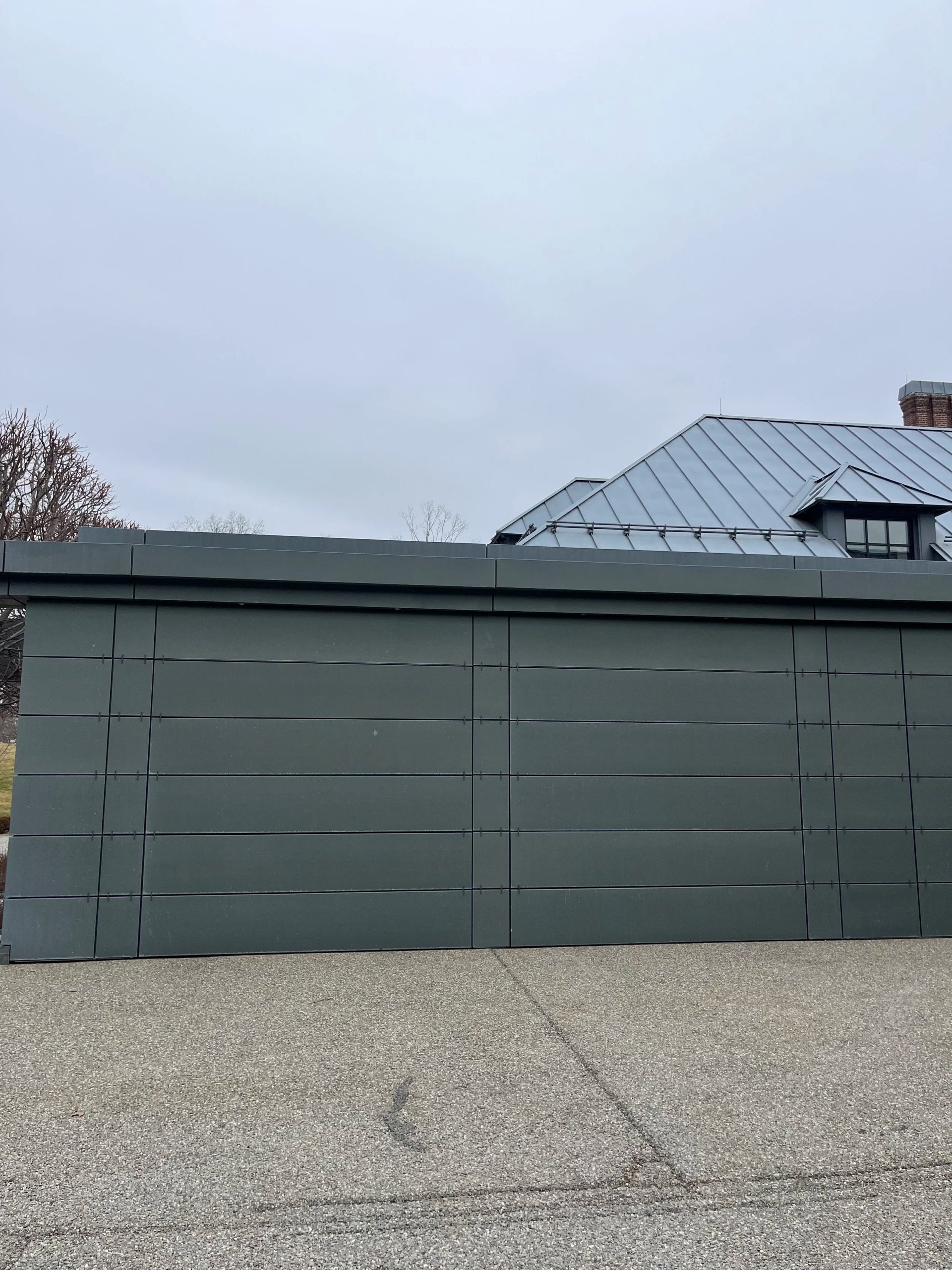
What Should You Check When a Flush Mount Door Arrives Shipped?

A flush-mount door is designed to sit perfectly flush with the exterior wall, creating a seamless look that enhances curb appeal and modern architectural design. Because a Flush Mount Door relies on precision, insulation integrity, and exact alignment, it is critical to inspect the door carefully as soon as it arrives by shipping.

In Bridgeport, CT, harsh weather conditions and seasonal moisture can impact exterior materials, making early verification especially important. Taking clear photos during delivery helps document condition, protect warranty coverage, and ensure your new garage door is ready for proper installation without unexpected delays.

What Should You Expect When a Shipped Flush Mount Door Shows Up at Your Property?

When a shipped Flush Mount Door arrives in Bridgeport, CT, match the paperwork and parts to the order, because freight damage or missing hardware can compromise alignment, insulation, and a seamless look for curb appeal on the outside of a building.

Common things that can signal a problem right away include:

  • The delivery receipt, BOL, and order details do not match the build sheet or custom sizing notes.
  • The crate, pallet, or wrap shows impact damage, water exposure, or crushed corners.
  • The door panels show dents, scratches, uneven shadow lines, or finish variation that affects aesthetic appeal.
  • Hardware cartons are missing, mislabeled, or incomplete, which can delay the precise installation of overhead garage doors.
  • The rough opening measurements and the shipped specs do not align, increasing the risk of fit issues against the exterior wall.

To understand how delivery conditions directly influence installation complexity and scheduling accuracy, read our guide on Shipping vs Local Install: What to Expect with a Flush Mount Door, which explains how freight handling, staging, and site readiness affect the final result.

Flush Mount Door Shipment Verification Checklist Before Acceptance

Delivery Receipt, BOL, and Order Details Match

Match the delivery receipt and bill of lading to the order so the shipped Flush Mount Door, finish, and configuration align with the build details before acceptance.

Confirm alignment across:

  • Order number, model name, and door style on every document
  • Width, height, and custom sizing notes are listed on the paperwork
  • Track type, hand, and lift setup shown on the packing list
  • Finish, cladding, and colours noted on the order summary
  • Any add-ons, such as glass, insulation, or reinforcement kits

Paperwork accuracy protects scheduling and dispute options, and the FTC explains what to do if you’re billed for items you never got or receive unordered products.

Packaging Condition and Impact Indicators

Review the packaging condition before anything is moved, because shipping damage often shows up first on corners, straps, and pallets.

Scan for red flags like:

  • Crushed crate corners or broken pallet boards
  • Punctures, tears, or stretched wrap around panel edges
  • Water stains, damp cardboard, or moisture trapped under the wrap
  • Loose strapping, missing edge guards, or shifted banding
  • Impact marks that line up with door edges or hardware boxes

Visible packaging issues help justify a detailed inspection and stronger delivery notes for claim protection.

The Visual Impact of Flush Mount Garage Doors

Door Panel Faces, Edges, and Finish Consistency

Inspect panel faces and edges early so dents, scratches, and uneven shadow lines do not compromise the seamless look and aesthetic appeal the door is designed to deliver.

Inspect surface quality across:

  • Face dents, ripples, or pressure marks along wide areas
  • Edge damage that can affect alignment against the exterior wall
  • Finish scratches that break the clean Flush Mount appearance
  • Panel-to-panel consistency that supports crisp profile designs
  • Signs of rubbing that can reduce durability over time

Surface inspection supports better curb appeal outcomes and sets a clear baseline before scheduling service.

Glass, Inserts, and Trim Arrive Without Shipping Damage

Confirm glass, inserts, and trim arrive intact, because small chips or loose seals can affect insulation and long-term durability in harsh weather conditions.

Focus checks on:

  • Chips, cracks, or pressure marks near the corners of the glass
  • Loose trim pieces or gaps that break the seamless appearance
  • Seal continuity that protects against heat loss
  • A film condition that indicates rubbing during transport
  • Matching layout versus the order spec for design accuracy

Solid glass and trim in good condition protect the exterior appearance and help the door perform as a durable, insulated system.

Track, Hardware, and Fastener Kits Are Complete

Verify that track and hardware kits are complete, because missing hinges, brackets, or rollers can delay precise installation and disrupt the curved path used by sectional garage doors.

Inventory must include:

  • Vertical and horizontal track sections with correct labels
  • Hinges and special hinges that support the flush-mount system
  • Rollers, bearings, and fasteners grouped by section
  • Brackets, plates, and reinforcement pieces for load points
  • Weather seal parts that protect the garage space and belongings

Complete hardware sets support smoother scheduling and reduce jobsite surprises for overhead garage doors.

Spring System Packaging and Identification Tags Are Correct

Confirm spring system packaging and tags match the order, because the wrong spring setup can reduce functionality and shorten longevity.

Verify details such as:

  • Tag numbers and spring size labels on each component
  • Tube, shaft, and drum parts are included in the correct grouping
  • Bearing plates and cable hardware are present and undamaged
  • Packaging condition that protects tension-related parts in transit
  • No substituted parts that shift the door balance and practicality

Correct spring identification supports safer handling and better long-term durability after installation.

Opener Compatibility and Reinforcement Requirements

Check opener compatibility and reinforcement needs early so the door supports reliable operation without strain on hinges or mounting points.

Review compatibility factors like:

  • Reinforcement strut presence for the opener connection
  • Bracket fitment for overhead garage doors
  • Panel prep points that prevent flex under daily cycles
  • Clearance expectations for the track curve and travel path
  • Hardware notes that affect a precise installation plan

Reliable reinforcement planning protects performance and supports minimal upkeep and minimal maintenance expectations over time.

Measurements and Site Fit Confirmation Against the Build Sheet

Confirm site measurements against the build sheet so the rough opening, clearances, and door specs align before installation is scheduled.

Compare critical dimensions, including:

  • Width and height readings taken at multiple points
  • Headroom, sideroom, and backroom clearances for track travel
  • Floor level checks that affect flush alignment at the bottom
  • Jamb condition that supports a Flush Mount fit on the exterior
  • Any framing shifts that could require additional time to correct

Accurate measurement validation prevents fit issues and supports a cleaner flush, improving the home’s exterior.

Photo Documentation Standards for Claims and Warranty

Capture photos consistently to document condition, completeness, and shipping issues clearly for claims and warranty review.

Build a complete record by photographing:

  • The full shipment on arrival from multiple angles
  • Labels, serial tags, and packing list details
  • Close-ups of dents, scratches, or crushed packaging areas
  • Hardware kits laid out with labels visible
  • The door face shows shadow lines and finish consistency

Well-organized photos strengthen communication, reduce confusion, and support faster resolution if a problem is confirmed.

When to Refuse Delivery vs Accept With Notation

Choose your signing outcome before the driver leaves, so damage, missing parts, or fit issues do not derail Flush Mount Door scheduling in Bridgeport, CT.

Situation at Delivery

Best Action

What to Write on the Receipt

Panels are bent, cracked, or visibly warped

Refuse delivery

“Refused due to visible structural damage to door sections.”

Glass is shattered, or the trim is broken off

Refuse delivery

“Refused due to damaged glass/trim components.”

Track bundles or key hardware cartons are missing

Refuse delivery

“Refused due to missing track/hardware components.”

Packaging is crushed or punctured, but panels appear intact

Accept with notation

“Packaging damaged, subject to inspection, photos taken.”

Light scratches or small finish marks are visible

Accept with notation

“Cosmetic marks noted, subject to inspection, photos taken.”

Condition is unclear until unpacking is complete

Accept with notation

“Subject to inspection for concealed damage, photos taken.”

Delivery decisions influence what happens next, and our guide on Do Flush Mount Doors Need Professional Installation? explains how professionals confirm readiness before scheduling a precise installation appointment.

Common Shipping Issues That Affect Door Performance Later

Small shipping issues can create bigger performance problems later by affecting flush-mount door alignment, insulation, and smooth operation in Bridgeport, CT.

Common shipping-related issues include:

  • Panel edge dings that interrupt a seamless look and create uneven shadow lines
  • Track bends that change the curved path and cause rough, noisy travel
  • Missing or mixed hardware cartons that delay precise installation scheduling
  • Moisture exposure that affects finish consistency and long-term durability
  • Pressure marks from strapping or crating that show up as surface distortion

Shipping damage often becomes more noticeable after the door is handled and staged, so early documentation and clear delivery notes help protect timelines and next steps.

How Claims, Returns, and Manufacturer Warranty Usually Work

Claims and warranty decisions often hinge on rapid documentation and a clear distinction between shipping damage and product defects in a flush-mount door delivery.

Key points to understand include:

  • Delivery receipt notes and time-stamped photos often determine whether a freight claim is approved
  • Carriers usually handle transit damage, while manufacturers typically cover verified defects under warranty terms
  • Packaging may need to be retained until the claim is closed to support inspection requests
  • Return approval can depend on condition, completeness, and whether any parts were installed or altered
  • Custom sizing and special finishes can extend replacement timelines and require additional paperwork

Early reporting keeps coverage options stronger, and the Consumer Financial Protection Bureau explains how to dispute a charge on a credit card bill if an order is not delivered as agreed.

Custom Garage Door Orders Require Higher-Precision Verification

Custom builds leave less room for error, so a shipped Flush Mount Door should be carefully verified for fit, finish, and complete hardware before scheduling work in Bridgeport, CT.

Higher-precision items to verify include:

  • Custom sizing details and rough opening match to avoid fit gaps at the exterior wall
  • Panel face consistency so shadow lines stay even, and the seamless appearance is maintained
  • Finish, cladding, and colours match across sections to protect curb appeal and aesthetic appeal
  • Glass layout and trim pieces match the order to support the intended architectural design
  • Specialty hardware sets are complete, so precise installation is not delayed

Installation steps in Bridgeport, CT, are covered in our blog on How Is a Flush Mount Door Installed in Bridgeport, CT?, which explains how professionals confirm fit, alignment, and smooth travel before final setup.

Choosing a Receiving Plan With Your Flush Mount Garage Door Company

Proper receiving coordination protects a Flush Mount Door after shipping and prevents avoidable scheduling delays in Bridgeport, CT.

Key receiving plan details include:

  • Confirm who signs, who inspects, and who stores the door after delivery
  • Select a dry staging spot that protects panels, hardware, and belongings in the garage space
  • Keep paperwork, email confirmations, and photos organized for warranty or freight questions
  • Verify hardware cartons are complete before scheduling precise installation
  • Align delivery timing with site readiness so the door is not moved repeatedly

Coordinated receiving planning reduces damage risk and keeps scheduling predictable across areas served in and around Bridgeport, CT.

Jobsite Readiness Factors That Can Delay Installation After Delivery

Jobsite readiness issues can delay flush-mount door installation even after a clean delivery, especially when site conditions in Bridgeport, CT, are not fully prepared.

Common readiness blockers include:

  • Rough opening surfaces that are not level, plumb, or structurally ready for mounting
  • Limited headroom, sideroom, or backroom that restricts track layout and travel clearance
  • Electrical or opener prep not completed, including outlet placement and mounting support
  • Exterior finishing is still in progress, affecting the door’s fit as part of the exterior wall
  • HOA or local approval requirements that slow down scheduling and final exterior changes

Better site readiness reduces downtime and keeps installation planning on schedule after delivery.
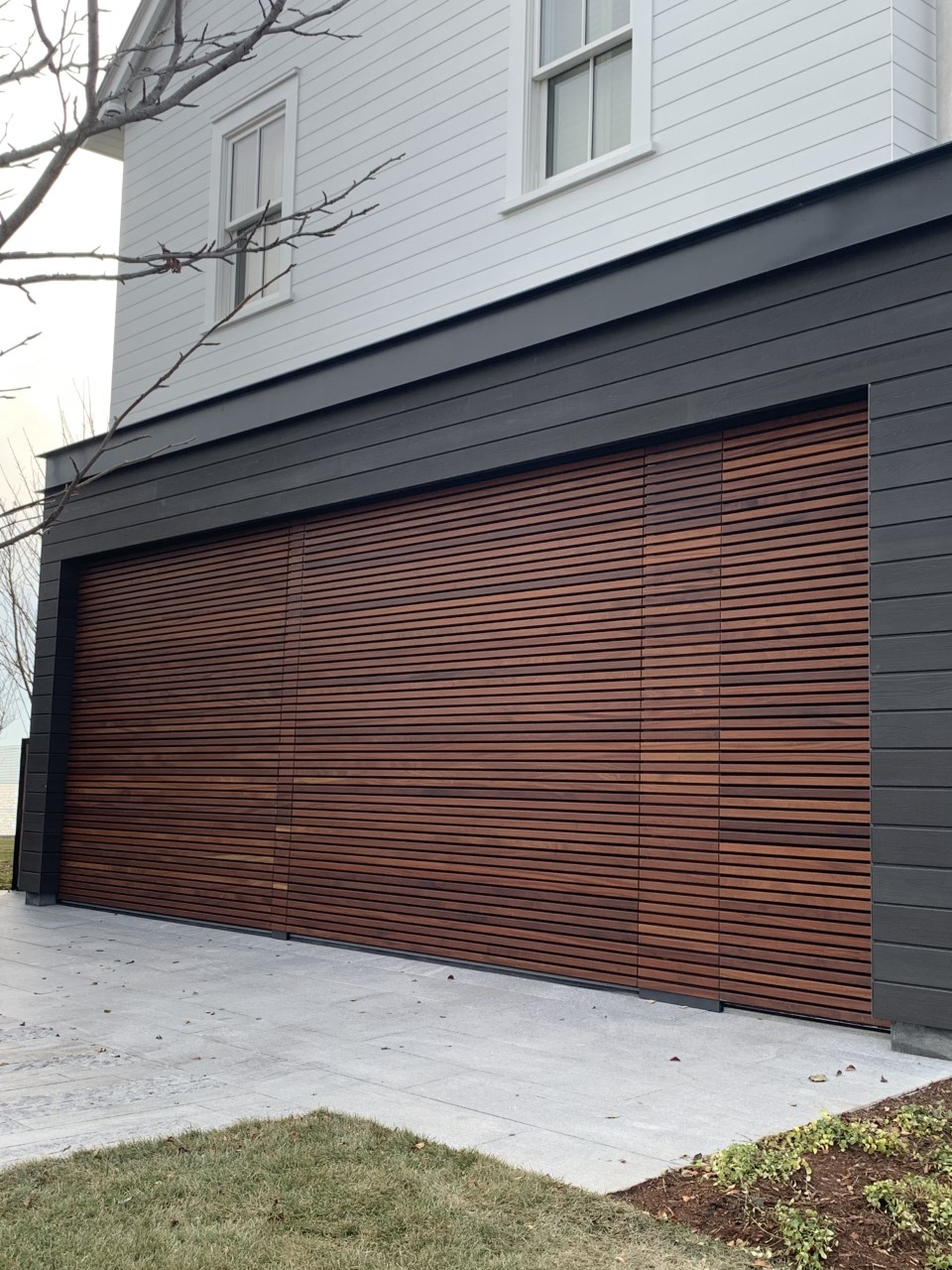
Brown Garage Door

Final Delivery Review Before Scheduling Installation

A final review confirms that the flush-mount door arrived complete and undamaged, so scheduling remains accurate in Bridgeport, CT.

Key items to confirm include:

  • Door sections match the paperwork, labels, and ordered configuration
  • Panel faces and edges show no dents, scratches, or finish inconsistencies
  • Tracks, hinges, rollers, and fasteners are complete and correctly packaged
  • Measurements align with the rough opening and required clearances
  • Photos and delivery notes are organized in case a claim is needed

A documented delivery record protects scheduling accuracy and supports smoother next steps if any issue is confirmed later.

Securing Long-Term Performance After Delivery in Bridgeport, CT

Careful delivery inspection protects your investment and helps your Flush Mount Door perform as intended in Bridgeport, CT. Verifying labels, hardware completeness, panel condition, and documentation early helps preserve a seamless look, strong curb appeal, and reliable insulation through harsh weather conditions.

Flush Mount Door Co. supports Bridgeport homeowners with precise planning and professional oversight that keeps timelines predictable and results consistent. If your shipment has arrived or you are preparing for a new garage door project, contact us or give us a call today to confirm the next steps and lock in your schedule.

Frequently Asked Questions

How long should a shipped door remain packaged before installation is scheduled?

Keep the door packaged until the installation date is confirmed. Packaging helps protect panels, cladding, and finish surfaces from scratches, moisture exposure, and accidental impact while the site is being staged.

No. Opening packaging does not automatically affect finish warranty coverage. Warranty outcomes usually depend on documented condition, handling, storage environment, and whether damage is clearly tied to shipping, storage, or installation factors.

Homeowners should receive the bill of lading, delivery receipt, packing list, and the build sheet or order summary. Warranty cards, care instructions, and hardware inventories also help verify configuration and support future claim documentation.

Yes. Vertical storage can be acceptable if the door is supported evenly and kept stable on a clean, dry surface. Uneven support, leaning pressure, or shifting contact points can create panel stress that affects alignment later.

Yes. Flat surfaces and clean lines can make dents, scratches, and uneven shadow lines more noticeable. Flush Mount Garage Doors also rely on a seamless appearance, so small cosmetic issues can stand out more than on textured designs.

Write specific notes such as “packaging damaged” or “subject to inspection” and reference photos on the receipt. Detailed language supports claim timelines and strengthens documentation if damage is found after unpacking.

Yes. Glass inserts should be checked for chips, cracks, seal gaps, and trim looseness in addition to surface marks. Angle views under good lighting help reveal damage that may not show in a straight-on view.

Focus on door size, track configuration, hardware set callouts, finish and colour selections, and any glass layout notes. Matching those details to the labels and packing list helps confirm the shipment is correct before scheduling.

Humidity can affect packaging materials and increase the risk of moisture settling on finishes if the area is damp. Bridgeport, CT, weather shifts can also create condensation, so dry staging conditions help protect long-term durability.

Site readiness issues are the most common cause, including rough opening problems, clearance limits, or electrical prep not finished. Scheduling can also pause if damage is documented, hardware is mismatched, or approvals are still pending.