
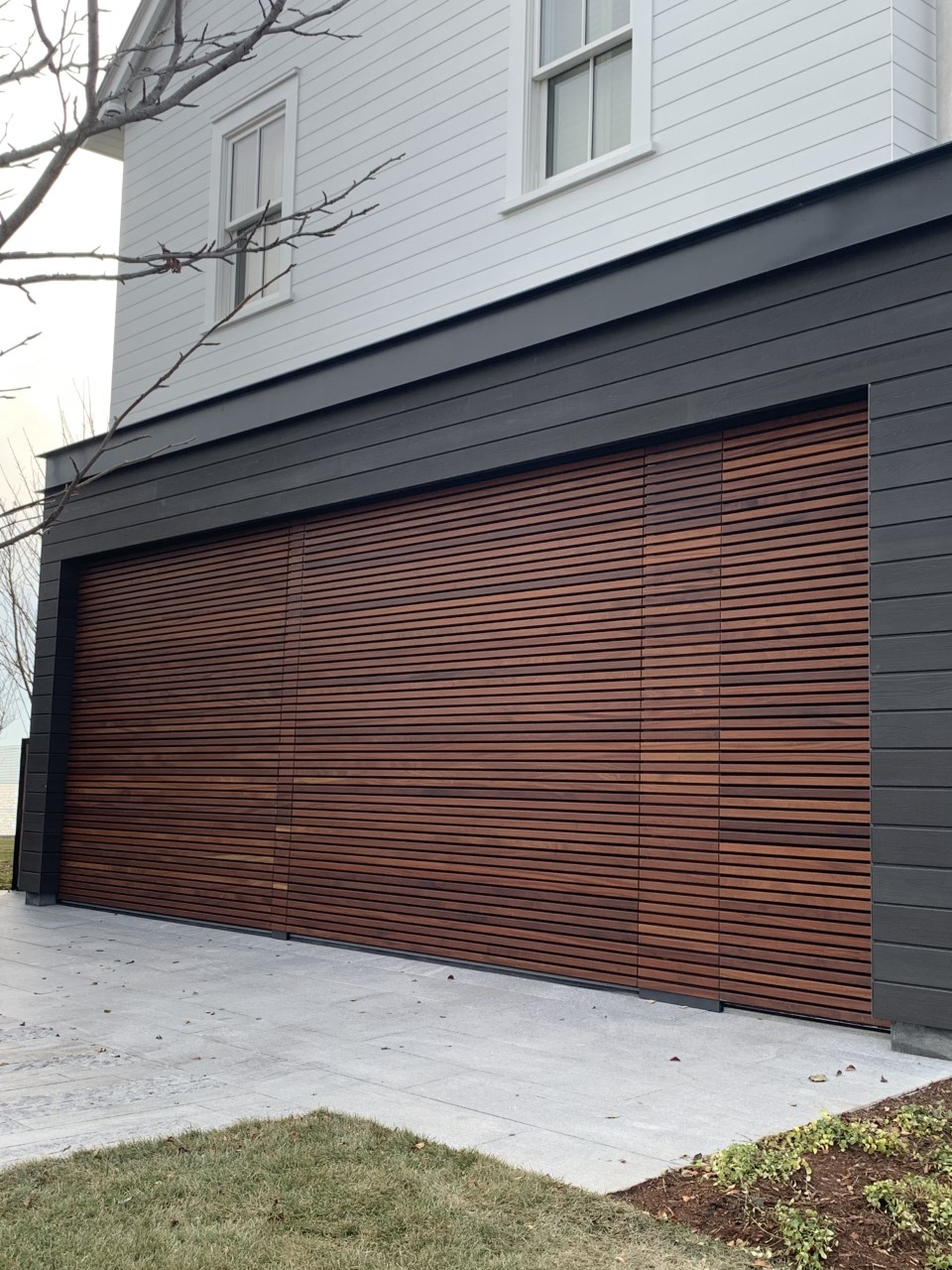
First-time custom door buyers often go into the process with one of two expectations. Either they assume it will be as simple as placing an online order, or they assume it will be an overwhelming process full of confusing decisions and long delays. The reality sits comfortably in between.
Ordering a custom Flush Mount Door is a structured process with clear stages, defined decision points, and a professional team guiding you through each step. When you know what to expect at every stage, the experience is straightforward and even enjoyable. You are not just buying a product. You are collaborating on something built specifically for your home. If you have looked through photos of Flush Mount Doors, you have likely already seen how clean and precise the final result can be when every detail is planned and executed correctly.
The process begins with an initial inquiry, either by phone, email, or an online form depending on the fabricator you choose. This first conversation is not a sales pitch. It is a discovery call where the fabricator gathers basic information about your project and you get a feel for how the company operates.
During this first contact, you will typically be asked about the size of your garage opening, the architectural style of your home, your general design preferences, and your anticipated timeline. You do not need to have every detail figured out at this stage. The purpose is to establish whether a custom Flush Mount Door is the right solution for your situation and to schedule the next step in the process.
For homeowners who want to understand the full production journey behind the door they are ordering, From Sketch to Shipment: How a Custom Flush Mount Door Comes Together gives a complete behind-the-scenes look at every fabrication stage from the first measurement through final shipment.
What to prepare for your first contact:

Once you have confirmed your interest and scheduled a consultation, a professional will assess your garage opening in detail. This is the most important meeting in the entire process. Every decision made here shapes what your finished door will look like and how it will perform.
Accurate measurements are taken of the opening width, height, headroom above the door, side room on each side, and the depth of the garage interior. These measurements determine not just the door dimensions but also the track configuration and spring system that will operate the door.
What gets decided during the consultation:
After the consultation, the design team produces a technical drawing based on everything documented in the project brief. This drawing is not a rough sketch. It is a precise blueprint that shows exact dimensions, panel configurations, hardware placement, window locations, and finish specifications.
You will receive this drawing for review before any fabrication begins. Take your time with this stage. This is your opportunity to confirm that every detail is correct and matches your vision before materials are cut and components are assembled.
What to check during your drawing review:
Once your approval is received, the project moves into active production. This is where the fabricator sources materials, begins precision cutting and shaping, fits hardware components, and applies the surface finish specified in your approved drawing.
This stage takes time, and that is intentional. Custom fabrication is not a process that can or should be rushed. Each stage of production is completed with care and checked against the approved blueprint before moving forward.
What happens during production:
One of the most common questions first-time custom door buyers ask is how long the process takes. The honest answer is that it depends on the complexity of the design, the material selected, and the fabricator’s current production volume. Most custom Flush Mount Doors require several weeks from design approval to shipment.
That timeline can feel long when you are used to standard consumer products, but it reflects the reality of building something from scratch to a specific set of specifications. No part of the process is wasted time. Every week in production is a week spent getting the details right.
How to work with the lead time rather than against it:
Understanding how the production period connects to the broader journey of your custom door helps set realistic expectations and reduces frustration during the wait.
When your door has passed quality inspection and is ready for shipment, the fabricator coordinates delivery based on your location, your schedule, and any site-specific conditions that might affect how the door is unloaded and staged for installation.
Custom Flush Mount Doors are large, precisely built products. Shipping them correctly is as important as building them correctly. Panels and hardware components are individually wrapped and padded to prevent surface damage during transit. Fragile elements like window inserts and decorative hardware receive additional protection.
What to confirm before your delivery date:
A well-coordinated delivery sets the installation team up for a smooth and efficient process. Rushing the receiving stage or failing to inspect the shipment on arrival can complicate things later if a damaged component is discovered after the delivery team has left.
There is a brief but important window between delivery and installation that most homeowners do not think about until they are in it. Once the door arrives, there are a few things worth doing before the installation team begins work.
Steps to take between delivery and installation:
This brief preparation window is also a good time to ask your installation professional any questions about the process, the hardware being used, and what ongoing maintenance your specific door will require.
This stage also connects to long-term upkeep, as outlined in garage door care and maintenance recommendations, which emphasize regular inspection, proper lubrication, and safe operation practices to maintain performance over time.
For a full breakdown of the construction methods and materials your door was built with, and what that means for long-term performance, How Flush Mount Doors Are Built to Last for Decades covers the technical side of what makes a well-built Flush Mount Door stand up over time.
A custom door order involves multiple touchpoints between you and the fabricator over a period of several weeks. The quality of that communication experience matters. A reputable fabricator will be responsive, transparent, and proactive at every stage, regardless of the areas served or the complexity of the project.
Signs you are working with a professional fabricator:
Understanding why the investment in a custom process delivers results that standard options cannot match is something worth considering before you finalize your decision. Why Custom Flush Mount Doors Are Worth the Wait gives a full breakdown of the value behind the custom build process and why the timeline reflects quality rather than delay.

Knowing what to expect at every stage of the custom Flush Mount Door process takes the uncertainty out of the experience. The consultation, the design review, the production period, and the delivery coordination all exist for one reason. To make sure the door that arrives at your home is exactly what was agreed upon and built to a standard that justifies the investment.
When every stage is handled professionally and every decision is made with your specific home in mind, the result is a door that performs correctly, fits perfectly, and enhances your home’s appearance for years to come.
Flush Mount Door Co. guides every customer through the custom door process with transparency, craftsmanship, and clear communication from the first call to the final delivery. Their team is built around making the experience as straightforward and rewarding as the finished product. Contact us or give us a call to begin your custom Flush Mount Door consultation today.