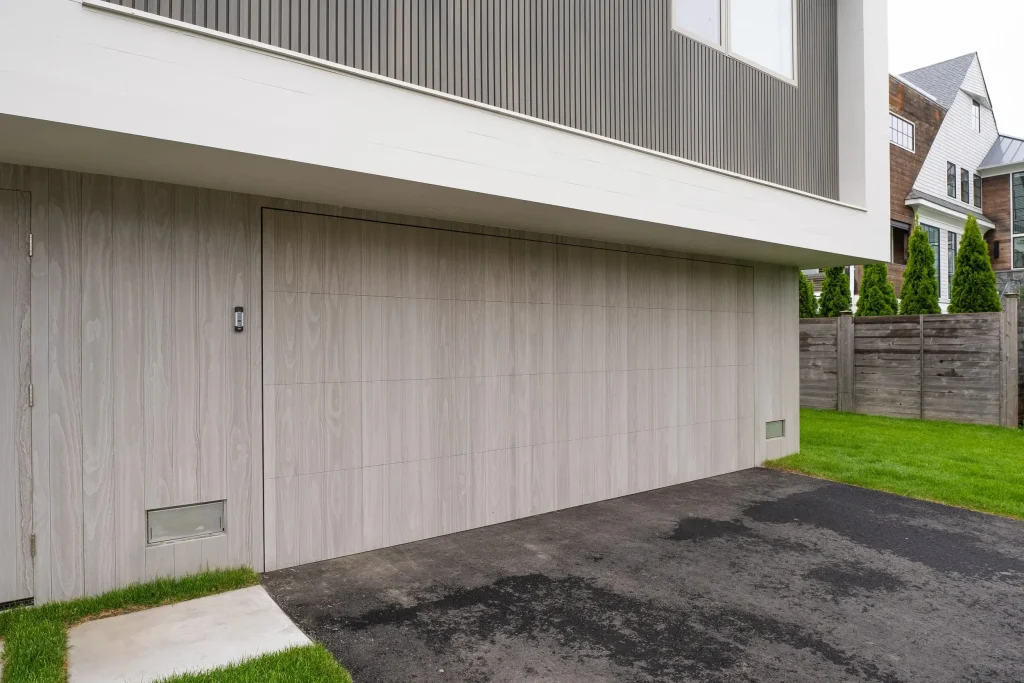
Top Flush Mount Door Styles That Elevate Any Living Space
Not all Flush Mount Doors look the same. While they all share the same core principle of sitting level with the surrounding wall, the styles available today vary significantly in terms of finish, profile, height, and overall presence in a room.
Choosing the right style is what takes a Flush Mount Door from a functional upgrade to a genuine design statement. The wrong style can feel out of place. The right one makes the entire room feel more considered, more intentional, and more complete. Browse through any photos of Flush Mount Doors installed in real homes, and you will immediately see how dramatically the style choice affects the overall feel of the space, from barely visible wall doors to bold floor-to-ceiling statements.
This guide covers the top Flush Mount Door styles that are making an impact in modern home design right now, what makes each one distinctive, and how to match them to the spaces in your home.
The Invisible Wall Door: When the Door Disappears Completely
The invisible wall door is one of the most striking applications of Flush Mount design. The goal with this style is to make the door completely undetectable when it is closed. When done correctly, a person walking into the room would not immediately know a door exists.
What makes it work:
The door face is finished in the exact same paint color and sheen as the surrounding wall
All hardware is either concealed or eliminated entirely using push-to-open mechanisms
The gaps around the door perimeter are kept as tight and uniform as possible
The door frame is integrated into the wall, so there is no visible border or transition
Where it works best:
Pantry entrances off a kitchen where a clean, uninterrupted wall is the priority
Home offices that open off a living area, keeping the workspace hidden when not in use
Utility rooms and storage spaces where functionality is needed without visual interruption
Media rooms and home theaters where every wall surface contributes to the overall atmosphere
What to watch for:
Paint matching requires careful testing in natural light before committing to a finish
Any variation in wall texture between the door face and the surrounding wall will be visible
Push-to-open mechanisms need to be reliable and consistent to avoid frustration in daily use
This style requires the highest level of installation precision of any Flush Mount application
The Full-Height Flush Door: A Floor-to-Ceiling Statement
Full-height Flush Mount Doors run from the floor all the way to the ceiling, creating a bold vertical line that draws the eye upward and makes the room feel taller than it actually is.
What makes it work:
The door panel fills the full height of the wall opening with no gap at the top
The continuous vertical line from floor to ceiling exaggerates the perceived height of the room
When finished to match the wall, the effect is a seamless expanse of surface with no visual breaks
When finished in a contrasting material, the door becomes a deliberate architectural feature
Where it works best:
Open-plan living areas where height and proportion are key to the overall spatial feel
Primary bedroom entrances where the door sets the tone for the room before you even step inside
Hallways and corridors where vertical scale creates a sense of arrival and transition
Modern homes with high ceilings where standard-height doors would look visually small and out of proportion
What to watch for:
The ceiling must be level across the full width of the door for the installation to look correct
Full-height doors are heavier than standard doors and require hardware specified for the additional weight
The pivot hinge system is often preferred for full-height applications to handle the load more effectively
Seasonal movement in the building structure can affect the fit of a full-height door more noticeably than a standard one
Bob Vila notes that understanding standard door size specifications is an important starting point for any door project, particularly when upgrading to full-height configurations that fall outside conventional dimensional ranges.
The Flush Pivot Door: Architectural Drama With Clean Lines
The flush pivot door uses a pivot hinge mechanism instead of traditional side-mounted hinges. This creates a distinctive opening motion and allows for wider, taller door panels that would not be practical with a standard hinge configuration.
What makes it work:
The pivot point sits at the top and bottom of the door rather than along the side edge
The door swings open from a point set in from the edge, creating a balanced, symmetrical motion
Wider panels are possible because the pivot mechanism distributes the door’s weight more evenly
The hardware is minimal and often integrated flush with the floor and ceiling for a clean finish
Where it works best:
Main entries and foyer transitions where a dramatic first impression is the goal
Open living spaces with wide openings that call for a door with visual weight and presence
Architect-designed homes where every detail is intentional and the door is part of the design brief
Spaces where the door is intended to be a focal point rather than a background element
What to watch for:
Pivot doors require specific structural preparation at the floor and ceiling header before installation
The opening motion is different from a traditional hinged door, which takes some adjustment for daily users
Wider pivot panels require careful weight calculation to ensure the pivot hardware is correctly specified
These doors generally involve more complex installation and should always be handled by an experienced professional
To understand why this style has become such a significant part of the broader shift in modern home design,Why Flush Mount Doors Are Defining Modern Home Design provides the full context on what is driving these trends.
The Panel Flush Door: Subtle Detail Without the Clutter
The panel flush door sits between a completely flat door and a traditional paneled door. It features subtle surface detailing, such as shallow grooves, inset lines, or geometric relief, that adds visual texture without introducing the heavy ornamentation of a classic panel door.
What makes it work:
Surface detailing is kept shallow and geometric, never protruding beyond the face of the door
The overall profile remains flat enough to maintain the Flush Mount appearance at the wall
Grooves and inset lines add shadow and dimension that make the door visually interesting without being busy
The style bridges the gap between a strictly minimal aesthetic and a home with more decorative character
Where it works best:
Transitional interiors that combine modern structure with warmer, more traditional finishing details
Bedrooms and living spaces where a completely flat door feels too stark but a traditional panel door feels too heavy
Homes with existing architectural detailing such as wainscoting or coffered ceilings, where some surface interest on the door feels appropriate
Spaces where the door is visible from multiple angles and benefits from having some inherent texture
What to watch for:
The depth of any groove or inset detail must be shallow enough that the door still reads as flush with the wall
Painted panel flush doors require careful attention to the edges of grooves, where paint can build up unevenly
Wood veneer panel flush doors look particularly strong but require precise grain matching across the surface detail
Cleaning grooved surfaces takes slightly more attention than a completely flat door face
The Flush Barn Door: Modern Sliding Style With a Minimal Profile
The flush barn door applies the principle of Flush Mount design to a sliding door configuration. Instead of a traditional exposed track and chunky hardware, a flush barn door uses a concealed or semi-concealed sliding system that keeps the profile clean and minimal.
What makes it work:
The door panel itself is flat and finished to match or complement the surrounding wall
The sliding track is either fully concealed within a ceiling recess or uses a very low-profile exposed system
The door slides parallel to the wall rather than swinging open, making it ideal for tight spaces
When closed, the door presents a flat, clean face that is consistent with the Flush Mount aesthetic
Where it works best:
Laundry rooms and utility spaces where a swinging door would be impractical
Home offices that open off a main living area, where the door needs to disappear when open
Bedrooms in smaller homes or apartments where floor space for a swinging door is limited
Spaces with an adjacent wall that allows the door to slide fully open without obstruction
What to watch for:
A fully concealed track requires a ceiling cavity or soffit that must be planned during construction or renovation
Semi-concealed track systems are easier to retrofit but introduce some hardware visibility
Sliding doors do not seal as tightly as hinged doors, which affects both sound and privacy
The wall the door slides along must be clear of switches, outlets, and artwork when the door is in the open position
The Flush Double Door: Symmetry and Scale for Larger Openings
Flush double doors use two panels that meet at the center of a wider opening. When both panels are closed, they present a single continuous flat surface that reads as one unified element rather than two separate doors.
What makes it work:
Both panels are manufactured to the same specification and finish so the seam between them is minimal
The reveal where the two panels meet is kept as tight and consistent as possible
Concealed hinges on both panels maintain the clean look across the full width of the opening
When both panels are open, the full width of the opening is available without any obstruction
Where it works best:
Dining room entrances where a wide opening is needed for entertaining and visual flow
Living rooms that connect to outdoor spaces through large interior openings
Primary bedroom suites where the entrance is wide enough to warrant a double door configuration
Any space where a single door would feel undersized relative to the scale of the opening or the room
What to watch for:
Both panels must be perfectly aligned at the center seam for the double door to look correct
The latch or catch mechanism where the two panels meet requires careful specification to stay secure without visible hardware
Any variation in the finish between the two panels will be immediately apparent given how close they are to each other
Installation of flush double doors is more complex than a single panel and requires an experienced professional
The Flush Mount Pocket Door: Hidden Until You Need It
The Flush Mount pocket door slides into a cavity built into the wall rather than swinging open or sliding along the wall surface. When open, it disappears completely. When closed, it presents a flat face that sits flush with the surrounding wall. Flush mount pocket doors are available across all areas we serve.
What makes it work:
The door slides into a wall cavity that is framed during construction or major renovation
No floor track is required, which eliminates the trip hazard and visual interruption of a standard pocket door
The door face can be finished to match the wall for a fully invisible closed appearance
When open, the door is entirely hidden within the wall, leaving the full opening clear
Where it works best:
Bathrooms and ensuites where privacy is needed but floor space is limited
Between kitchen and dining areas where an occasional divider is useful but usually kept open
Home offices and studies that need to be closed off from adjacent living spaces periodically
Any location where the door needs to function without taking up swing clearance or wall space
What to watch for:
The wall cavity must be framed during construction or a significant wall opening during renovation
Electrical and plumbing cannot run through the wall where the pocket cavity is located
The door hardware and track must be accessible for maintenance, which requires a specific frame design
Sound insulation is lower than a hinged door because the door does not compress against a seal when closed
The International Door Association recommends working with a qualified door professional for any installation or maintenance concern, noting that proper care and upkeep from a credentialed expert is the most reliable way to protect the long-term performance of any door system.
Choosing the Right Style for Your Space
With so many Flush Mount Door styles available, narrowing down the right choice comes down to three core questions. What does the room need visually? What does the space require functionally? And what level of installation complexity are you prepared to take on?
Use this as a guide:
Want the door to disappear completely? Choose the invisible wall door style
Working with a high ceiling and want to make it a feature? Go with a full-height flush door
Need a wide opening with architectural impact? Consider a flush pivot or flush double door
Looking for subtle detail in a transitional space? The panel flush door is the right fit
Dealing with a tight space where swing clearance is an issue? Look at the flush barn door or pocket door
Questions to ask before making a final style decision:
Is the wall construction compatible with the installation requirements of this style?
Does the hardware required for this style fit within the design direction of the room?
Will this style still look right if the surrounding finishes change in the future?
Is there an experienced professional available in your area who has installed this specific style before?
Find the Style That Fits Your Home
Flush mount doors are not a one-size-fits-all solution, and that is what makes them such a rewarding design choice. There is a style for every room type, every aesthetic direction, and every functional requirement. The key is knowing which one is right for your specific space.
When you are ready to explore your options with a team that knows this product inside and out, Flush Mount Door Co. is ready to assist. Whether you are starting from scratch or refining an existing idea, our team will guide you toward the right style, material, and installation approach for your home. Contact us or give us a call to get started.
Frequently Asked Questions
Which Flush Mount Door style is the easiest to install in an existing home?
The panel flush door and standard flat Flush Mount Door are the easiest since they work within a standard hinged configuration. Pocket and concealed sliding styles need more wall preparation and suit new construction better.
Can Flush Mount Doors be used on exterior openings?
Some styles come in exterior-rated versions, but they require specific materials, weather sealing, and outdoor hardware. Always confirm with the manufacturer before using any interior Flush Mount Door outside.
Are flush pivot doors suitable for homes with children or elderly residents?
Yes, but the opening motion takes some adjustment. Larger panels can also be heavier to operate. Lightweight pivot configurations are available when ease of use matters most.
How do I maintain the finish on a Flush Mount Door over time?
Painted doors may need occasional touch-ups. Wood veneer doors need a finish-appropriate cleaner. Laminate doors are the easiest, usually just needing a damp cloth.
Can a flush barn door provide the same level of privacy as a hinged door?
Not fully. Barn doors do not seal tightly, so some light and sound can transfer around the edges. For full privacy, a hinged Flush Mount Door with a proper latch is the better choice.
What is the minimum ceiling height needed for a full-height Flush Mount Door?
Generally, 9 feet and above. The ceiling must also be level across the full width of the opening before ordering.
Can flush double doors be installed in a load-bearing wall?
Yes, but it requires a structural assessment and a properly sized header. Always consult a structural engineer before enlarging or creating any opening in a load-bearing wall.
Do Flush Mount pocket doors require special framing?
Yes. They need a wall cavity framed specifically to house the door when open. Retrofitting one into an existing finished wall is a major project that involves removing and replacing a wall section.
Is it possible to convert a standard door opening to a flush pivot door?
It is possible, but it involves structural work at the floor and ceiling header. A professional assessment is always needed before attempting this conversion.
Which Flush Mount Door style adds the most value to a home?
Full-height and pivot doors tend to have the strongest visual impact and are often highlighted in real estate listings. Value still depends on installation quality and how well the style fits the overall home design.