

Flush Mount Garage Doors can increase a home’s resale value by strengthening curb appeal, signaling a recent design upgrade to buyers, and standing up better to wear than a standard door by the time you sell. The exact dollar impact varies by market and comparable homes nearby, but the door is one of the largest visible surfaces on a home’s exterior, so upgrading it tends to carry more weight than smaller cosmetic changes, including across the areas we serve. Five specific factors drive most of that payoff.
|
Factor |
Standard Door at Sale Time |
Flush Mount Door at Sale Time |
|
Visual condition |
Often shows dents, fading, or dated panel lines |
Tends to still look clean and current |
|
Buyer perception |
Reads as a functional necessity |
Reads as a deliberate upgrade |
|
Appraisal notes |
Rarely called out specifically |
More likely to be noted as a feature |
|
Market fit |
Neutral in most markets |
Stronger fit in modern-leaning markets |
|
Negotiation leverage |
Can become a minor repair request |
Rarely flagged as a concern |
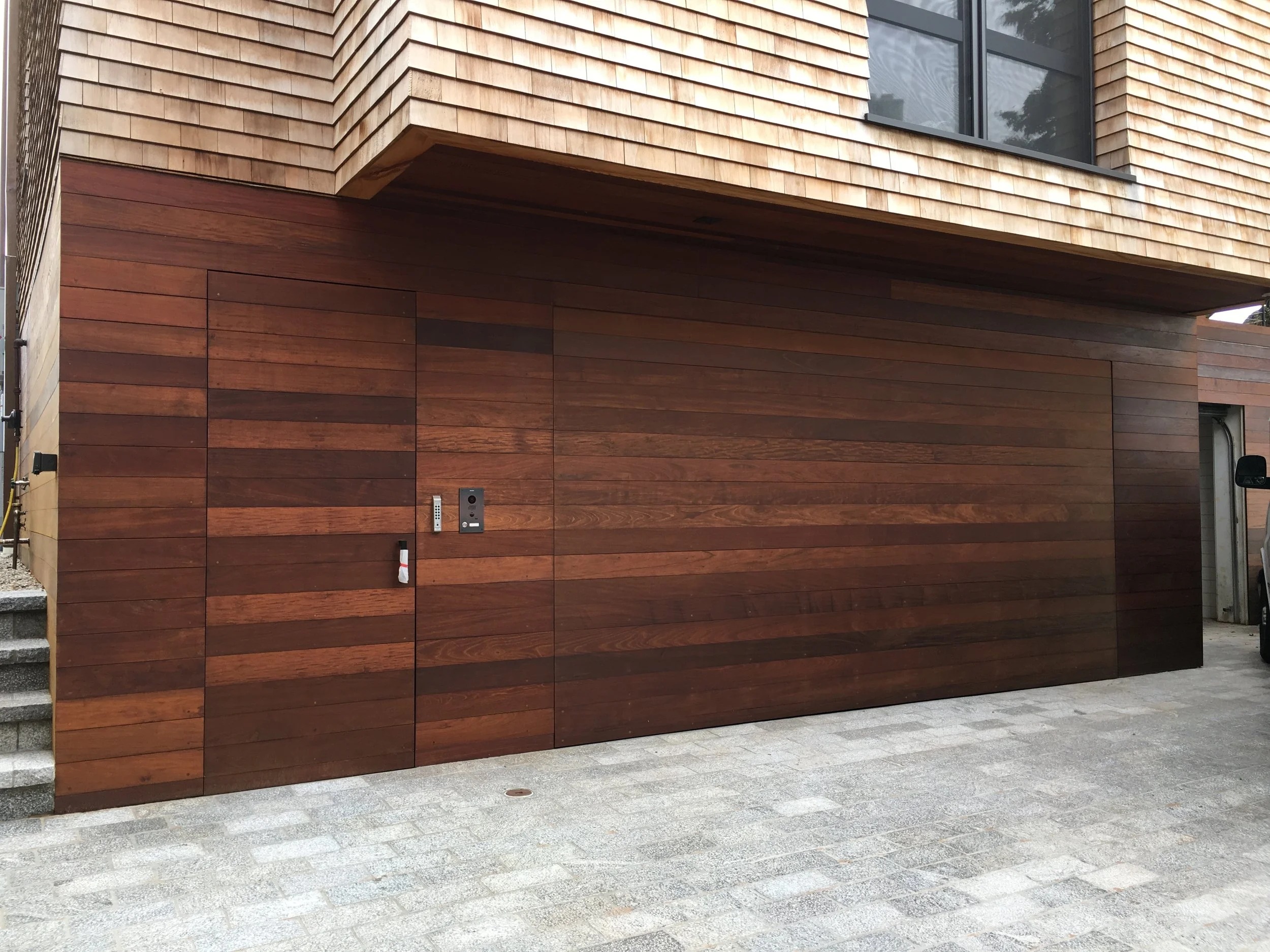
The garage door often makes up a large share of a home’s visible front exterior, which means its condition and style influence a buyer’s first impression before they’ve even walked inside. A dated or worn door can quietly undercut curb appeal that the rest of the exterior has going for it, even when the landscaping, paint, and entryway are all in good shape.
A few specific things tend to catch a buyer’s eye first:
Stand across the street and look at your home the way a buyer would on a first drive-by. If the garage door is the first thing that reads as dated or worn, it’s likely doing more damage to curb appeal than any single interior update would fix.
Replacing a worn door with another standard door reads as maintenance. Replacing it with a Flush Mount Door reads as a design decision, which tends to register differently with buyers browsing listing photos or walking up for a showing. The difference is subtle in isolation, but it compounds with every other small signal a buyer picks up on during a walkthrough.
For a broader look at what actually drives the price difference between the two styles, read Are Flush Mount Garage Doors Worth the Investment?
Mention the door specifically in listing photos and descriptions rather than letting it blend into general exterior shots. Buyers scanning listings quickly tend to notice named upgrades more than they notice unremarked features.
Standard doors, particularly ones with wood or wood-look finishes, tend to show fading, warping, or dents by the time a home changes hands, especially after ten or more years. A Flush Mount Door’s flat surface resists a lot of that visible wear, which means it’s less likely to become a line item on an inspection report or a point buyers use to negotiate down. The absence of raised panels and grooves also means there’s less surface area where grime and weathering can build up unevenly over time.
Bob Vila’s guide to choosing a garage door breaks down the material and style factors that influence how a door holds up and how buyers perceive it.

Address visible wear before listing rather than leaving it for an inspector or buyer to flag first. A door that already looks worn gives buyers an easy, concrete reason to ask for a price reduction.
Not every market rewards a Flush Mount Door equally. In neighborhoods where modern exteriors are already common and expected, the upgrade tends to matter more; in markets where function outweighs style, the impact is smaller.
Buyers increasingly ask about insulation too, not just appearance; if you want the full picture of how that factors into value, read Are Flush Mount Garage Doors Worth It for Energy Efficiency? 4 Insulation Benefits Explained.
A door that also meets recognized safety standards adds another layer of buyer confidence; the Door and Access Systems Manufacturers Association’s safety guidance outlines the baseline standards a quality door should meet regardless of style.
Look at comparable listings in your immediate area rather than relying on general trends. If several nearby homes already feature modern garage doors, a Flush Mount upgrade is more likely to be expected than exceptional, but it still avoids being a visible weak point.
A Flush Mount Door installed shortly before listing captures more of its value than one that’s already partway through its lifespan by the time you sell. Waiting until the door is visibly worn to replace it means you absorb the cost of ownership without getting much credit for it at sale time.
If you want to see how the door compares to standard doors on durability and long-term ownership costs specifically, read Flush Mount vs. Standard Garage Doors: Which Offers Better Long-Term Value? 6 Key Differences.
If you’re planning to sell within the next year or two, prioritize the garage door over updates that buyers are less likely to notice immediately, since it’s one of the few upgrades that pays off almost as soon as it’s installed.
A Flush Mount Door doesn’t guarantee a specific dollar return, but it consistently removes one of the easiest ways a home’s exterior can look dated or worn at exactly the moment buyers are forming their first impression. That alone makes it one of the more reliable upgrades for protecting, rather than just hoping for, resale value.
Flush Mount Door Co. can help you weigh whether the timing and cost make sense for your specific sale plans. Contact us or give us a call to talk through your home, your timeline, and your local market.