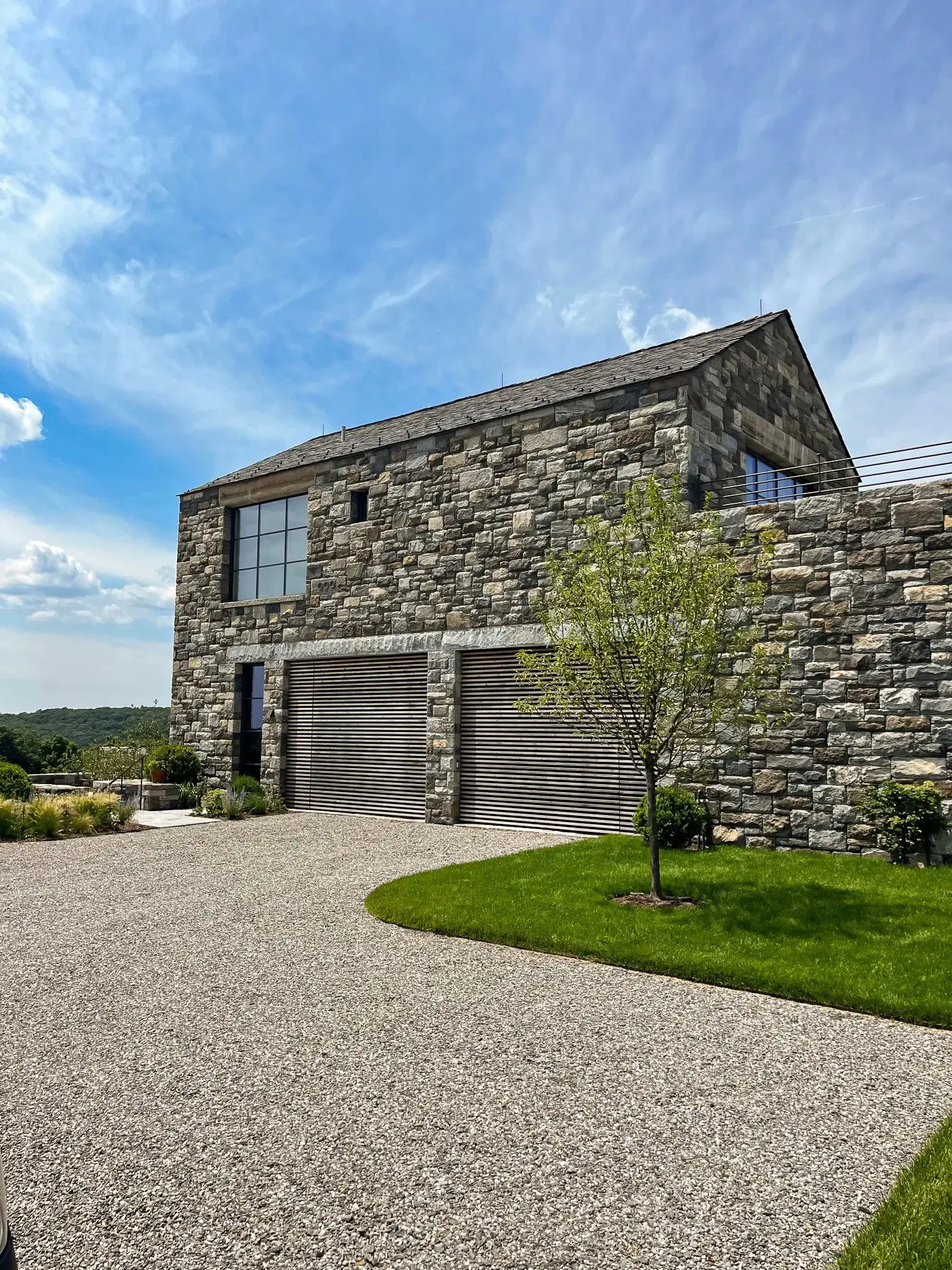
How Flush Mount Doors Are Built to Last for Decades
A garage door takes a beating every single day. It opens and closes multiple times, faces changing temperatures, deals with rain, wind, and humidity, and still needs to look good doing all of it. Most standard doors hold up reasonably well for a while. A well-built custom Flush Mount Door holds up for decades. If you have looked through photos of Flush Mount Doors, you have likely seen how clean, solid, and consistent they remain over time when built with the right materials and construction methods.
That kind of longevity does not happen by accident. It is the direct result of deliberate material choices, precise construction methods, and quality standards applied at every stage of fabrication. When a door is built correctly from the start, the daily wear and environmental exposure that shortens the life of lesser products becomes something the door handles without issue.
It Starts With Choosing the Right Material for the Job
Durability begins with material selection. Not every material performs equally in every environment, and a Flush Mount Door built from the wrong material for its application will show signs of wear far sooner than one matched correctly to its conditions.
The most common materials used and what makes each one durable:
Steel offers exceptional strength, resistance to impact, and a surface that holds paint and protective coatings reliably. Heavier gauge steel provides greater resistance to denting and structural deformation over time.
Aluminum is lighter than steel and naturally resistant to corrosion, making it an excellent choice for coastal environments or areas with high humidity. It maintains its structural integrity and surface appearance in conditions that would cause untreated steel to degrade.
Wood composite combines the aesthetic warmth of natural wood with improved dimensional stability. It resists warping and cracking while still delivering the visual character of a traditional wood finish.
Fiberglass is selected when both moisture resistance and insulation performance are priorities. It does not rust, rot, or corrode, and it can be manufactured with textured surfaces that closely replicate the appearance of wood grain without the maintenance demands of real wood.
Panel Construction Methods Determine Long-Term Structural Integrity
The material is only part of the story. How the panels are constructed from that material determines whether the door maintains its shape, alignment, and structural integrity through years of daily use and environmental exposure.
Construction methods that contribute to panel durability:
Internal reinforcement bracing is used across panel sections to resist bowing and flexing under load, particularly important on wider door configurations.
Panel edges are precisely finished and joined to eliminate gaps and weak points that could allow moisture infiltration or structural movement over time.
Sandwich construction, where an insulating core is bonded between two outer skin layers, adds both thermal performance and structural rigidity to the panel assembly.
Perimeter framing on each panel section distributes stress evenly across the panel rather than concentrating it at hardware attachment points.
Insulation Is Not Optional When Longevity Is the Goal
Insulation is often discussed in terms of energy efficiency, and that is a legitimate benefit. But its contribution to the long-term durability of a Flush Mount Door is equally important and less commonly understood.
An insulated door panel is more resistant to the temperature-driven expansion and contraction that puts stress on paint finishes, panel joints, and hardware attachment points. A door that cycles through extreme temperature swings with a properly insulated core maintains more consistent internal conditions, reducing the mechanical stress that accumulates over time in uninsulated panels.
Insulation types used in custom Flush Mount Doors and their durability contributions:
Polystyrene insulation is a rigid foam board fitted into the panel cavity. It adds structural rigidity to the panel assembly in addition to its thermal properties, reducing the flex that can cause surface cracking and joint separation over time.
Polyurethane insulation is injected as a liquid foam that expands to fill the entire panel cavity and bonds directly to the inner surfaces of both panel skins. This creates a unified panel assembly that is significantly more rigid than a polystyrene-filled panel and provides a higher insulation rating in a thinner panel profile.
Hardware Quality Is What Keeps the Door Operating Correctly for Years
A Flush Mount Door built from excellent materials with precision panel construction will still fail prematurely if the hardware used to operate it is not matched to the demands of the application. Hardware is the mechanical system that the door relies on every single day, and it deserves the same level of attention as the door panels themselves.
The hardware components that most directly affect long-term performance:
Hinges connect each panel section and bear the stress of the door’s articulation during every open and close cycle. Heavy-duty hinges with thicker gauge steel and larger bearing surfaces distribute that stress more effectively and resist wear far longer than standard residential hinges.
Rollers run along the track on either side of the door and are in constant contact with the track surface during operation. Nylon rollers with sealed ball bearings operate more quietly and smoothly than standard steel rollers and maintain that performance for significantly more cycles before showing wear.
The torsion spring system counterbalances the door’s weight and is the component under the greatest mechanical stress in the entire system. Springs are rated by cycle life, and a spring system matched correctly to the door’s actual weight and usage frequency will reach the end of its rated cycle life rather than failing prematurely from being undersized.
Tracks must be sized, positioned, and secured correctly for the door’s specific dimensions and weight. Improperly sized or installed tracks create uneven stress on rollers and hinges, accelerating wear across the entire hardware system.
Surface Finishing Protects the Door From the Outside In
The surface finish on a custom Flush Mount Door is not purely cosmetic. It is the door’s primary defense against the environmental conditions that cause premature deterioration. A finish that adheres correctly, covers completely, and holds up through temperature and moisture exposure significantly extends the life of the underlying material.
Finishing methods used on custom Flush Mount Doors and what makes each one effective:
Powder coating is applied electrostatically and cured under heat to create a finish that bonds directly to the metal substrate. It is significantly more resistant to chipping, scratching, and fading than conventional liquid paint and provides consistent surface coverage that liquid application methods cannot always achieve on complex profiles.
Factory-applied paint systems use multi-stage application processes that include surface preparation, primer application, and topcoat finishing under controlled conditions. The controlled environment eliminates variables like temperature, humidity, and surface contamination that influence how well a finish adheres and how long it holds up.
Wood stain and sealant systems for composite and natural wood doors are selected based on the material and the environmental conditions the door will face. A properly sealed wood or composite door resists moisture infiltration that would otherwise cause swelling, surface lifting, and eventual structural damage over time.
Quality Control During Fabrication Prevents Problems Before They Start
A door that is built precisely and inspected thoroughly before it leaves the fabrication facility arrives ready to perform correctly from the first day of installation. Quality control during fabrication is not an extra step. It is the stage that validates everything that came before it.
What a thorough quality inspection covers on a custom Flush Mount Door:
Panel alignment is verified to confirm that all sections sit flush and consistent with each other and with the surrounding frame profile.
Hardware function is tested under load conditions to confirm smooth roller movement, correct hinge articulation, and proper spring tension calibration.
Surface finish is inspected under consistent lighting for coverage consistency, adhesion quality, and any surface defects that need to be corrected before shipment.
All dimensions are verified against the approved technical drawing to confirm that the door was built to the specified measurements throughout.
Weatherstripping and bottom seal fit are checked to confirm the door will close with the weather-tight seal it was designed to achieve.
Proper Installation Completes What the Fabrication Started
Even a perfectly built Flush Mount Door will underperform if it is not installed correctly. Installation is the stage where the precision of the fabrication is either preserved or compromised. A door hung with incorrect track positioning, improperly tensioned springs, or misaligned hardware will wear faster and perform less reliably than the fabrication quality would otherwise allow. That is why consistent installation standards matter across all areas served, ensuring each door performs the way it was designed to from the start.
What a correct installation looks like for a custom Flush Mount Door:
Tracks are positioned and secured at the precise measurements specified for the door’s dimensions and the garage’s headroom and side room clearances.
The spring system is tensioned to the correct specification for the door’s actual weight after installation is complete.
Each panel section is confirmed to be aligned correctly before the hardware is fully secured in place.
The door is tested through multiple open and close cycles to confirm smooth, balanced operation before the installation is considered complete.
Weatherstripping and the bottom seal are confirmed to be making consistent contact with the floor and frame at all points around the perimeter.
For a complete picture of what the customer experience looks like from the initial order through to a successfully installed door, What to Expect When You Order a Custom Flush Mount Door covers every stage of the process in detail.
Ongoing Maintenance Protects the Investment Over Time
A custom Flush Mount Door built from quality materials and installed correctly will last for decades with the right maintenance habits. Maintenance does not need to be complicated or time-consuming. A few consistent practices done regularly are enough to preserve the door’s performance and appearance through years of daily use.
Maintenance practices that extend the life of a custom Flush Mount Door:
Apply a manufacturer-approved lubricant to rollers, hinges, and the spring system seasonally to reduce friction-related wear on moving components and keep operation smooth and quiet.
Inspect weatherstripping and the bottom seal annually for signs of compression loss, cracking, or separation. Replacing worn seals promptly prevents moisture infiltration that can damage the floor, panels, and hardware over time.
Check hardware tension and alignment every six months. Loose fasteners, misaligned tracks, and rollers that have shifted out of position are all easier to address early than after they have caused secondary damage.
Clean the door surface with mild soap and water periodically to remove dirt, pollen, and environmental deposits that can degrade the finish if left in place over time.
Schedule a professional inspection every one to two years to have the spring system, hardware condition, and overall door performance assessed by a qualified technician.
Simple upkeep routines go a long way, as outlined in garage door maintenance tips, which highlight lubrication, inspection, and basic care practices that help extend system life.
For homeowners who want to understand the full reasoning behind why a custom build delivers this level of longevity compared to standard alternatives, Why Custom Flush Mount Doors Are Worth the Wait makes the case clearly and completely.
Built to Last Because Every Decision Along the Way Was Made That Way
The durability of a custom Flush Mount Door is not a feature added at the end of the process. It is the result of decisions made at every stage, from material selection through panel construction, hardware fitting, surface finishing, quality inspection, and installation. Each stage contributes to the finished door’s ability to perform reliably and look exceptional for decades. When every part of that process is handled with precision and care, the door that results is not just a garage door. It is a long-term investment in the appearance, security, and performance of your home.
Flush Mount Door Co. builds every custom Flush Mount Door to standards that prioritize longevity, craftsmanship, and precision at every stage of the fabrication process. Their team brings the expertise and attention to detail that a product built to last for decades demands. Contact us or give us a call to start your custom door project and experience the difference that quality fabrication makes from day one.
Frequently Asked Questions
A garage door takes a beating every single day. It opens and closes multiple times, faces changing temperatures, deals with rain, wind, and humidity, and still needs to look good doing all of it. Most standard doors hold up reasonably well for a while. A well-built custom Flush Mount Door holds up for decades. If you have looked through photos of Flush Mount Doors, you have likely seen how clean, solid, and consistent they remain over time when built with the right materials and construction methods.
That kind of longevity does not happen by accident. It is the direct result of deliberate material choices, precise construction methods, and quality standards applied at every stage of fabrication. When a door is built correctly from the start, the daily wear and environmental exposure that shortens the life of lesser products becomes something the door handles without issue.
It Starts With Choosing the Right Material for the Job
Durability begins with material selection. Not every material performs equally in every environment, and a Flush Mount Door built from the wrong material for its application will show signs of wear far sooner than one matched correctly to its conditions.
The most common materials used and what makes each one durable:
Steel offers exceptional strength, resistance to impact, and a surface that holds paint and protective coatings reliably. Heavier gauge steel provides greater resistance to denting and structural deformation over time.
Aluminum is lighter than steel and naturally resistant to corrosion, making it an excellent choice for coastal environments or areas with high humidity. It maintains its structural integrity and surface appearance in conditions that would cause untreated steel to degrade.
Wood composite combines the aesthetic warmth of natural wood with improved dimensional stability. It resists warping and cracking while still delivering the visual character of a traditional wood finish.
Fiberglass is selected when both moisture resistance and insulation performance are priorities. It does not rust, rot, or corrode, and it can be manufactured with textured surfaces that closely replicate the appearance of wood grain without the maintenance demands of real wood.
Panel Construction Methods Determine Long-Term Structural Integrity
The material is only part of the story. How the panels are constructed from that material determines whether the door maintains its shape, alignment, and structural integrity through years of daily use and environmental exposure.
Construction methods that contribute to panel durability:
Internal reinforcement bracing is used across panel sections to resist bowing and flexing under load, particularly important on wider door configurations.
Panel edges are precisely finished and joined to eliminate gaps and weak points that could allow moisture infiltration or structural movement over time.
Sandwich construction, where an insulating core is bonded between two outer skin layers, adds both thermal performance and structural rigidity to the panel assembly.
Perimeter framing on each panel section distributes stress evenly across the panel rather than concentrating it at hardware attachment points.
Insulation Is Not Optional When Longevity Is the Goal
Insulation is often discussed in terms of energy efficiency, and that is a legitimate benefit. But its contribution to the long-term durability of a Flush Mount Door is equally important and less commonly understood.
An insulated door panel is more resistant to the temperature-driven expansion and contraction that puts stress on paint finishes, panel joints, and hardware attachment points. A door that cycles through extreme temperature swings with a properly insulated core maintains more consistent internal conditions, reducing the mechanical stress that accumulates over time in uninsulated panels.
Insulation types used in custom Flush Mount Doors and their durability contributions:
Polystyrene insulation is a rigid foam board fitted into the panel cavity. It adds structural rigidity to the panel assembly in addition to its thermal properties, reducing the flex that can cause surface cracking and joint separation over time.
Polyurethane insulation is injected as a liquid foam that expands to fill the entire panel cavity and bonds directly to the inner surfaces of both panel skins. This creates a unified panel assembly that is significantly more rigid than a polystyrene-filled panel and provides a higher insulation rating in a thinner panel profile.
Hardware Quality Is What Keeps the Door Operating Correctly for Years
A Flush Mount Door built from excellent materials with precision panel construction will still fail prematurely if the hardware used to operate it is not matched to the demands of the application. Hardware is the mechanical system that the door relies on every single day, and it deserves the same level of attention as the door panels themselves.
The hardware components that most directly affect long-term performance:
Hinges connect each panel section and bear the stress of the door’s articulation during every open and close cycle. Heavy-duty hinges with thicker gauge steel and larger bearing surfaces distribute that stress more effectively and resist wear far longer than standard residential hinges.
Rollers run along the track on either side of the door and are in constant contact with the track surface during operation. Nylon rollers with sealed ball bearings operate more quietly and smoothly than standard steel rollers and maintain that performance for significantly more cycles before showing wear.
The torsion spring system counterbalances the door’s weight and is the component under the greatest mechanical stress in the entire system. Springs are rated by cycle life, and a spring system matched correctly to the door’s actual weight and usage frequency will reach the end of its rated cycle life rather than failing prematurely from being undersized.
Tracks must be sized, positioned, and secured correctly for the door’s specific dimensions and weight. Improperly sized or installed tracks create uneven stress on rollers and hinges, accelerating wear across the entire hardware system.
Surface Finishing Protects the Door From the Outside In
The surface finish on a custom Flush Mount Door is not purely cosmetic. It is the door’s primary defense against the environmental conditions that cause premature deterioration. A finish that adheres correctly, covers completely, and holds up through temperature and moisture exposure significantly extends the life of the underlying material.
Finishing methods used on custom Flush Mount Doors and what makes each one effective:
Powder coating is applied electrostatically and cured under heat to create a finish that bonds directly to the metal substrate. It is significantly more resistant to chipping, scratching, and fading than conventional liquid paint and provides consistent surface coverage that liquid application methods cannot always achieve on complex profiles.
Factory-applied paint systems use multi-stage application processes that include surface preparation, primer application, and topcoat finishing under controlled conditions. The controlled environment eliminates variables like temperature, humidity, and surface contamination that influence how well a finish adheres and how long it holds up.
Wood stain and sealant systems for composite and natural wood doors are selected based on the material and the environmental conditions the door will face. A properly sealed wood or composite door resists moisture infiltration that would otherwise cause swelling, surface lifting, and eventual structural damage over time.
Quality Control During Fabrication Prevents Problems Before They Start
A door that is built precisely and inspected thoroughly before it leaves the fabrication facility arrives ready to perform correctly from the first day of installation. Quality control during fabrication is not an extra step. It is the stage that validates everything that came before it.
What a thorough quality inspection covers on a custom Flush Mount Door:
Panel alignment is verified to confirm that all sections sit flush and consistent with each other and with the surrounding frame profile.
Hardware function is tested under load conditions to confirm smooth roller movement, correct hinge articulation, and proper spring tension calibration.
Surface finish is inspected under consistent lighting for coverage consistency, adhesion quality, and any surface defects that need to be corrected before shipment.
All dimensions are verified against the approved technical drawing to confirm that the door was built to the specified measurements throughout.
Weatherstripping and bottom seal fit are checked to confirm the door will close with the weather-tight seal it was designed to achieve.
Proper Installation Completes What the Fabrication Started
Even a perfectly built Flush Mount Door will underperform if it is not installed correctly. Installation is the stage where the precision of the fabrication is either preserved or compromised. A door hung with incorrect track positioning, improperly tensioned springs, or misaligned hardware will wear faster and perform less reliably than the fabrication quality would otherwise allow. That is why consistent installation standards matter across all areas served, ensuring each door performs the way it was designed to from the start.
What a correct installation looks like for a custom Flush Mount Door:
Tracks are positioned and secured at the precise measurements specified for the door’s dimensions and the garage’s headroom and side room clearances.
The spring system is tensioned to the correct specification for the door’s actual weight after installation is complete.
Each panel section is confirmed to be aligned correctly before the hardware is fully secured in place.
The door is tested through multiple open and close cycles to confirm smooth, balanced operation before the installation is considered complete.
Weatherstripping and the bottom seal are confirmed to be making consistent contact with the floor and frame at all points around the perimeter.
For a complete picture of what the customer experience looks like from the initial order through to a successfully installed door, What to Expect When You Order a Custom Flush Mount Door covers every stage of the process in detail.
Ongoing Maintenance Protects the Investment Over Time
A custom Flush Mount Door built from quality materials and installed correctly will last for decades with the right maintenance habits. Maintenance does not need to be complicated or time-consuming. A few consistent practices done regularly are enough to preserve the door’s performance and appearance through years of daily use.
Maintenance practices that extend the life of a custom Flush Mount Door:
Apply a manufacturer-approved lubricant to rollers, hinges, and the spring system seasonally to reduce friction-related wear on moving components and keep operation smooth and quiet.
Inspect weatherstripping and the bottom seal annually for signs of compression loss, cracking, or separation. Replacing worn seals promptly prevents moisture infiltration that can damage the floor, panels, and hardware over time.
Check hardware tension and alignment every six months. Loose fasteners, misaligned tracks, and rollers that have shifted out of position are all easier to address early than after they have caused secondary damage.
Clean the door surface with mild soap and water periodically to remove dirt, pollen, and environmental deposits that can degrade the finish if left in place over time.
Schedule a professional inspection every one to two years to have the spring system, hardware condition, and overall door performance assessed by a qualified technician.
Simple upkeep routines go a long way, as outlined in garage door maintenance tips, which highlight lubrication, inspection, and basic care practices that help extend system life.
For homeowners who want to understand the full reasoning behind why a custom build delivers this level of longevity compared to standard alternatives, Why Custom Flush Mount Doors Are Worth the Wait makes the case clearly and completely.
Built to Last Because Every Decision Along the Way Was Made That Way
The durability of a custom Flush Mount Door is not a feature added at the end of the process. It is the result of decisions made at every stage, from material selection through panel construction, hardware fitting, surface finishing, quality inspection, and installation. Each stage contributes to the finished door’s ability to perform reliably and look exceptional for decades. When every part of that process is handled with precision and care, the door that results is not just a garage door. It is a long-term investment in the appearance, security, and performance of your home.
Flush Mount Door Co. builds every custom Flush Mount Door to standards that prioritize longevity, craftsmanship, and precision at every stage of the fabrication process. Their team brings the expertise and attention to detail that a product built to last for decades demands. Contact us or give us a call to start your custom door project and experience the difference that quality fabrication makes from day one.
Frequently Asked Questions
How many open and closed cycles should a well-built Flush Mount Door handle have before major hardware service is needed?
A quality torsion spring system is usually rated for 10,000 cycles or more. In most homes, that means many years of normal use before major spring service is needed.
Does the gauge of steel used in panel fabrication affect how long the door lasts?
Yes. Heavier-gauge steel resists dents, warping, and wear better than thinner steel, so it generally lasts longer.
Can a Flush Mount Door be repainted after installation if the finish shows wear over time?
Yes. The surface must be cleaned, sanded, and primed properly, and the new coating needs to match the original finish system. Check with the fabricator before refinishing.
How does coastal humidity affect the longevity of a custom Flush Mount Door?
Coastal humidity and salt air can speed up corrosion. Aluminum holds up better, and steel doors need a corrosion-resistant finish for coastal conditions.
What is the most common reason a well-built Flush Mount Door fails prematurely?
Improper installation. Misaligned tracks, incorrect spring tension, and poorly fitted hardware can cause early wear even on a high-quality door.
Is polyurethane insulation worth the additional investment over polystyrene for long-term durability?
In most cases, yes. Polyurethane adds rigidity and delivers higher insulation value in a thinner panel, making it the stronger long-term option.
How do I know if my door's spring system is approaching the end of its cycle life?
Watch for a door that feels heavier, moves unevenly, makes unusual sounds, or shows visible gaps in the spring. A technician can confirm whether replacement is needed. Many of these warning signs are also covered in common garage door troubleshooting guides, which help homeowners identify issues like spring fatigue, imbalance, and irregular movement early.
Can extreme cold affect how a custom Flush Mount Door performs over time?
Yes. Cold weather can make seals brittle and reduce lubricant performance. Seasonal inspection and climate-appropriate lubricant help prevent problems.
Does the track system need to be replaced when the door panels are replaced?
Not always. If the tracks are in good condition and match the new door’s size and weight requirements, they may be reused. A professional inspection should decide that.
How long after delivery should installation take place?
Start with the fabricator. They can usually recommend a technician familiar with custom garage door systems, compatible hardware, and annual service requirements.