
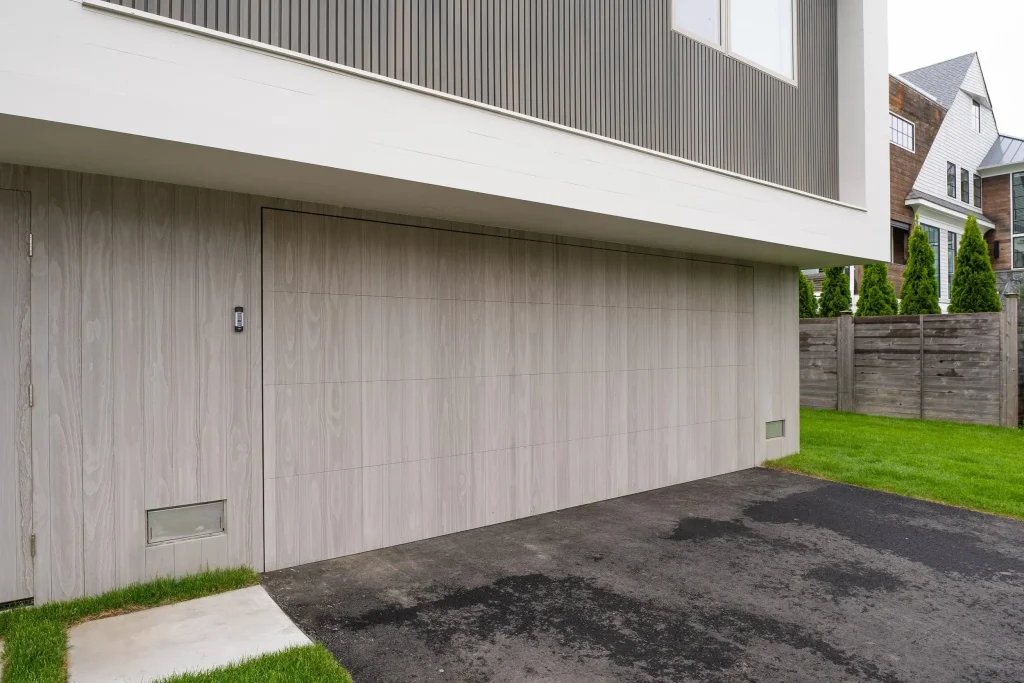
When it comes to upgrading your home’s exterior, few changes make as immediate an impact as a new garage door. Flush Mount Garage Doors, in particular, have become a top choice for homeowners who want a clean, streamlined look that complements modern and contemporary architecture. One look at photos of Flush Mount Doors and it is easy to see why so many homeowners are making the switch.
But style is not one-size-fits-all. The right Flush Mount Garage Door for your home depends on the architectural style, exterior materials, your personal taste, and how much customization you are willing to invest in. This guide walks you through every major style and design option available so you can make a confident, informed decision.
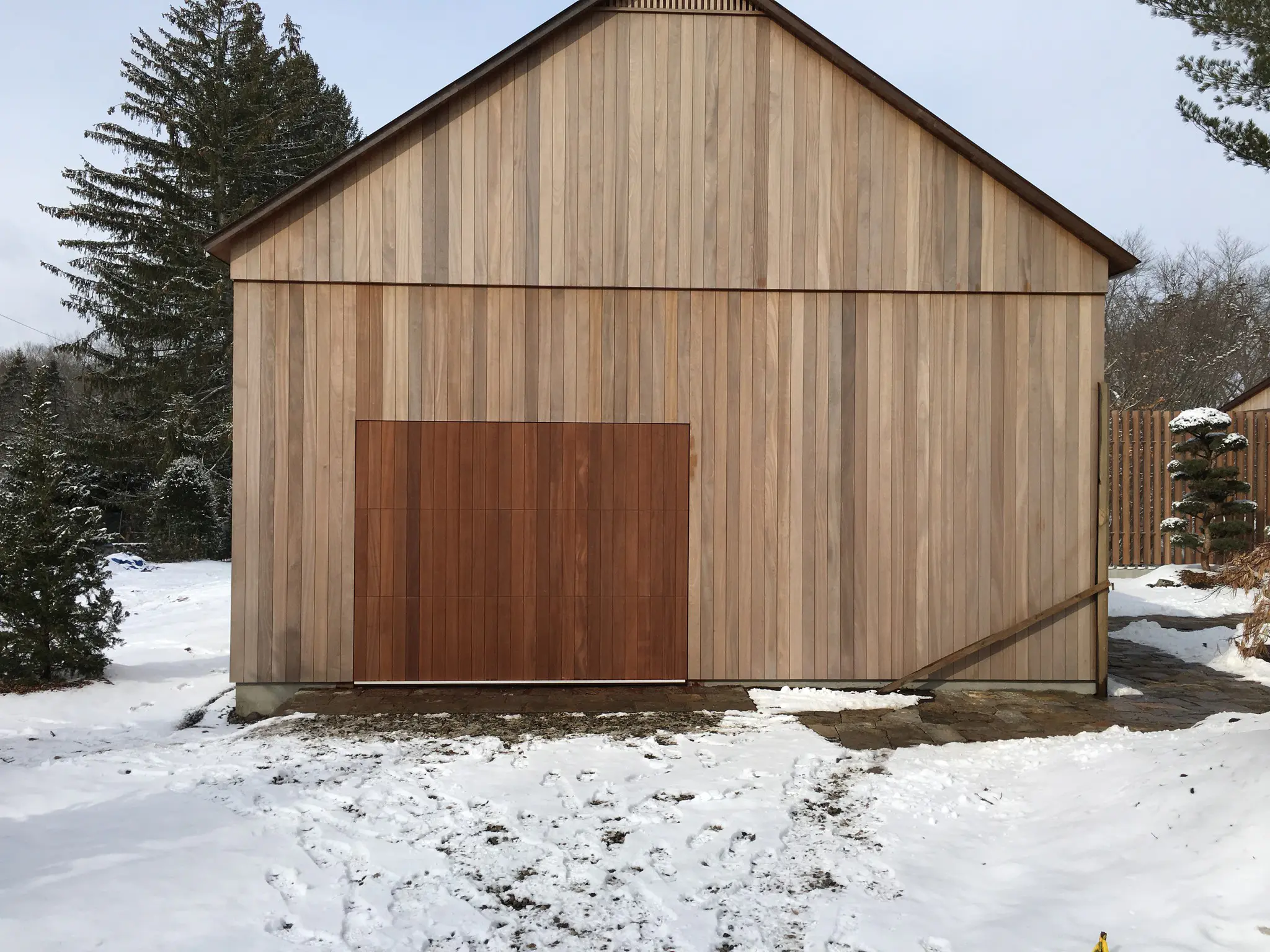
Before exploring design options, it helps to understand what sets a Flush Mount Garage Door apart from other styles. The defining characteristic is its smooth, flat panel surface. Unlike raised panel doors with protruding sections or carriage house doors with decorative hardware meant to mimic old-world craftsmanship, Flush Mount Doors lie perfectly flat against the opening.
That flat profile creates a seamless, architectural look that integrates naturally with modern home design. It is the kind of door that disappears into the facade in the best possible way, making the overall exterior feel cohesive and intentional. It is also one of the most consistently requested styles across all the areas we serve.
The appeal goes beyond looks alone. There are practical reasons homeowners consistently select Flush Mount designs over other options.
To understand what kind of investment this door style represents, Are Flush Mount Garage Doors Expensive? down the cost factors in full detail.
The term “Flush Mount” refers to the panel profile, not a single rigid look. Within that flat-panel category, homeowners have a wide range of style directions to choose from.
This is the most minimal expression of the Flush Mount design. The door surface is completely smooth with no grooves, lines, or windows. It reads as a solid architectural element and works exceptionally well on ultra-modern or minimalist homes.
This style adds subtle depth to the door surface through thin horizontal or vertical groove lines that create a shadow effect without breaking the flat profile. It offers a middle ground between completely smooth and a more detailed design.
Adding windows to a Flush Mount design brings in natural light and visual variety without compromising the clean look. Windows are typically placed in a single row across the top section of the door.
The material you choose for your Flush Mount Garage Door directly shapes its appearance, finish options, and long-term look. Each material has its own visual qualities that work better in some design contexts than others.
Steel is the most widely used material for Flush Mount Garage Doors. It takes paint and powder-coat finishes well, holds its shape over time, and is available in a broad range of colors and textures.
Aluminum offers a lighter-weight alternative to steel and is naturally resistant to rust and corrosion. It is a popular choice in humid or coastal climates where moisture exposure is a concern.
For homeowners who want warmth and texture in a Flush Mount profile, wood and wood composite options deliver a rich visual depth that synthetic materials cannot fully replicate.
Fiberglass occupies a useful middle ground. It resists dents and moisture, can be finished to look like wood, and is lighter than solid steel or wood.
Once you have a clear picture of your material preference, How Long Do Flush Mount Garage Doors Actually Last is worth reading to understand how each option holds up over time.
Color selection is one of the most impactful design decisions you will make for a Flush Mount Garage Door. Because the surface is flat and uninterrupted, color reads more boldly and consistently than it would on a door with raised panels or multiple surfaces.
According to This Old House’s resource on all about garage doors, color, material, and finish choices are key factors in how a garage door contributes to a home’s overall curb appeal.
Choosing a color that coordinates with your home’s siding, trim, or architectural accents creates a polished, intentional exterior appearance.
Beyond standard paint, there are several finish options that elevate the look of a Flush Mount Garage Door.
Even with a minimalist Flush Mount design, hardware choices play a meaningful role in the final appearance of the door.
The handle is one of the few visible hardware elements on a Flush Mount Door. Choosing the right style ties the door into the overall aesthetic of the home’s exterior.
On a Flush Mount Door, visible track hardware is often minimized or concealed for a cleaner appearance.
For homeowners planning ahead, understanding what the installation process involves can help you coordinate hardware and finishing details with your contractor. Flush Mount Garage Door Installation: What to Expect covers that process step by step.
Selecting a Flush Mount Garage Door design is about more than personal preference. The best choice aligns with your home’s existing architecture, exterior materials, and the overall visual tone you are trying to establish.
A few practical questions to guide your thinking:
Answering these questions clearly before you start shopping will help you narrow down your options and avoid regret after installation.
Bob Vila’s guide on choosing the right garage door for your home is a useful starting point for homeowners who want a broader framework for thinking through the decision.
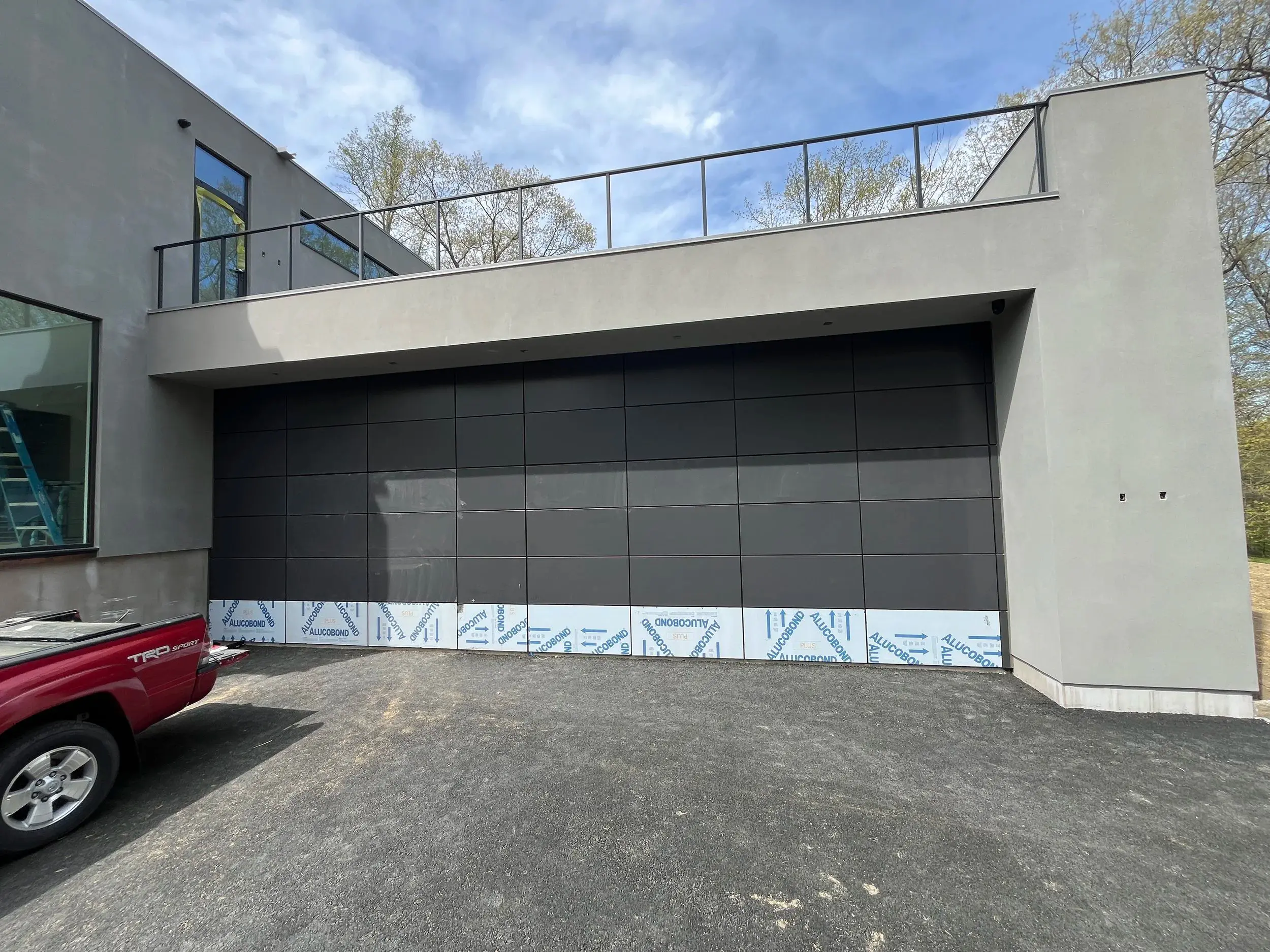
The right Flush Mount Garage Door does not just look good on day one. It should complement your home’s architecture for years to come, requiring minimal upkeep and holding its visual impact through changing seasons and conditions.
Flush Mount Door Co. works with homeowners across the country to match the right style, material, and finish to every type of home exterior. Whether you are drawn to a full flush panel in a bold matte finish or a groove-line design with frosted glass accents, our team is here to help you get it right. Contact us or give us a call to start exploring your options.