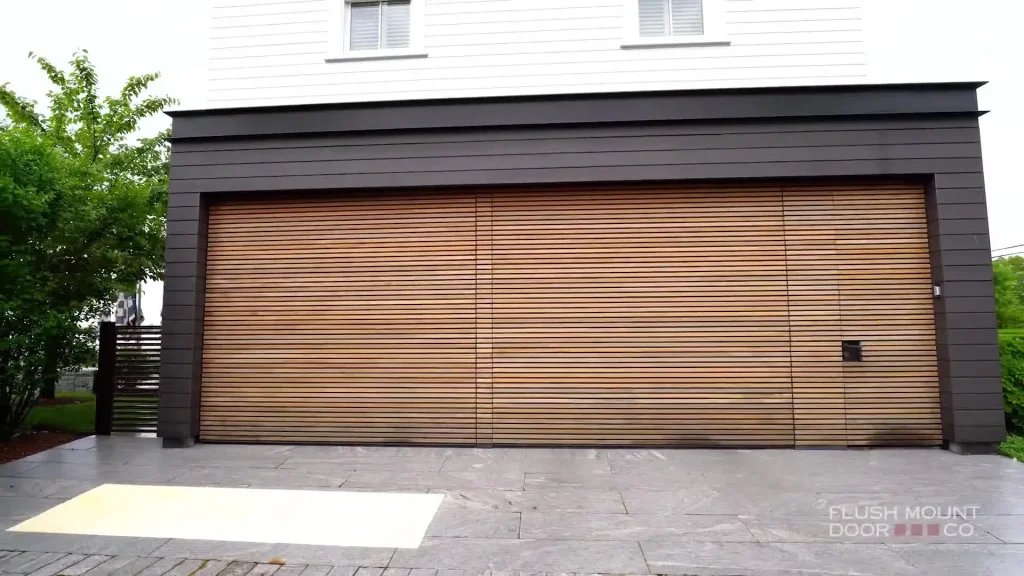
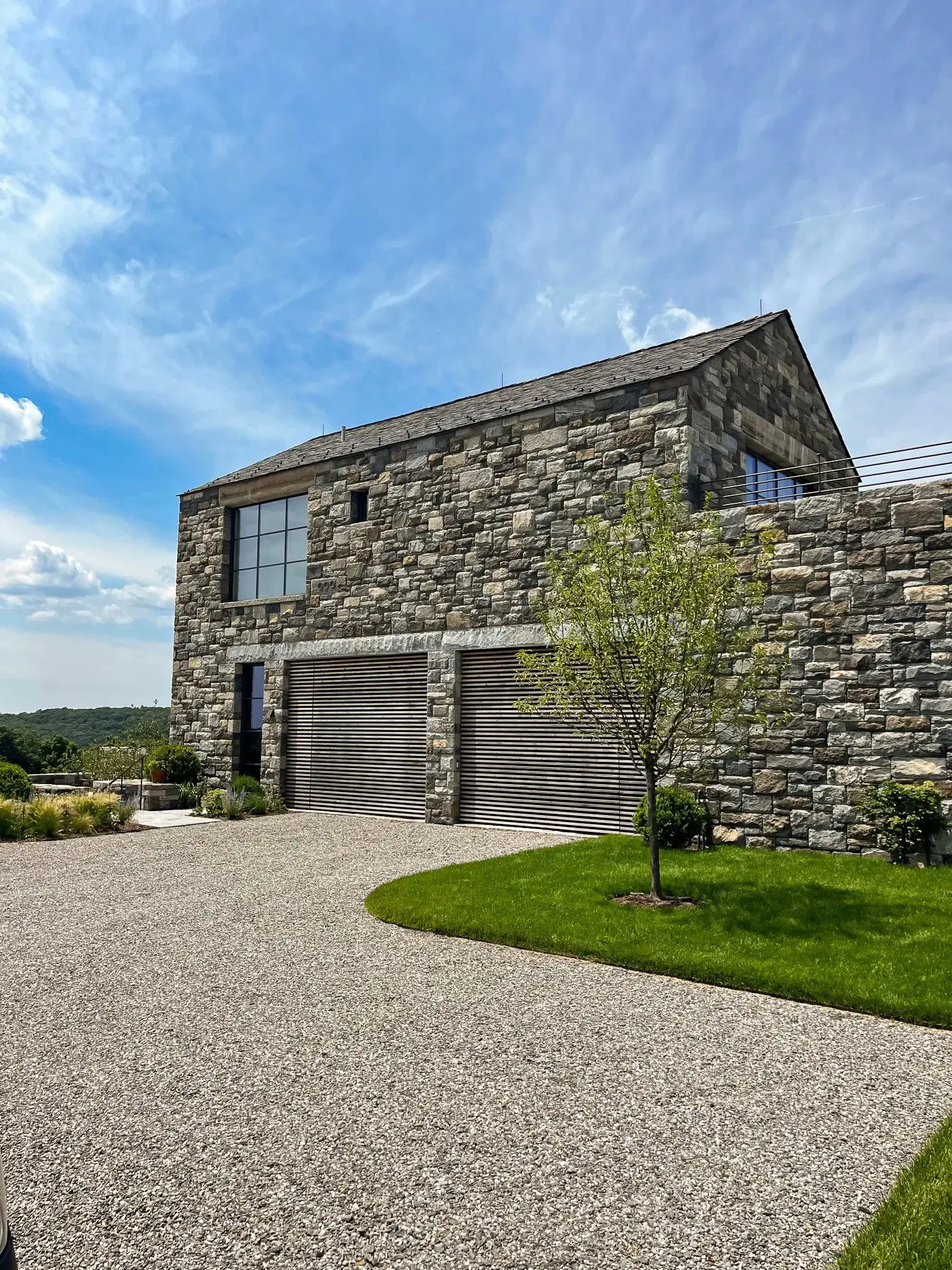
How Long Do Flush Mount Garage Doors Actually Last
When you invest in a Flush Mount Garage Door, you are not just buying a product. You are making a long-term decision about your home. Browsing photos of Flush Mount Doors is what gets most homeowners started, but knowing how long that investment holds up is what seals the decision.
The honest answer is that lifespan depends on several factors working together, including material choice, climate conditions, how often the door is used, and how well it is cared for over time. This guide breaks down each of those factors clearly so you know exactly what to expect and what you can do to extend the life of your door as long as possible.
What Is the Average Lifespan of a Flush Mount Garage Door
A well-built Flush Mount Garage Door from a reputable manufacturer, installed correctly and given basic care, can last anywhere from 15 to 30 years, depending on the material and conditions it lives in. That is a wide range, and the gap between the lower and upper ends comes down almost entirely to the factors covered in this guide.
The door itself is only part of the equation. Springs, cables, rollers, and tracks all have their own expected service life and will need attention before the door panel itself shows signs of wear. Understanding the full picture helps you plan and budget realistically.
How Material Choice Shapes Longevity
The material your Flush Mount Garage Door is made from has the single biggest influence on how long it lasts. Each option ages differently and has its own vulnerabilities.
Steel doors are durable and widely available, but untreated steel is vulnerable to surface rust in humid or coastal environments. Galvanized or zinc-coated steel extends lifespan significantly.
Aluminum is naturally resistant to rust and corrosion, making it a strong long-term performer in wet or salty climates. It is more prone to denting than steel, however.
Wood and wood composite doors are susceptible to warping, cracking, and moisture damage if not properly sealed and maintained. With consistent upkeep, they can last for decades.
Fiberglass resists dents and moisture well, but can become brittle in extreme cold over time. In moderate climates, it performs reliably for many years.
Beyond material, several other variables play a direct role in how long your Flush Mount Garage Door performs at its best. Some are within your control, and some are not. Knowing the difference helps you focus your attention where it matters.
Climate and Weather Exposure
Where you live has a significant effect on how quickly your garage door ages. Doors in harsh climates face more stress than those in mild, dry regions.
Coastal areas with salt air accelerate corrosion on metal surfaces, particularly on steel doors without adequate protective coatings.
Regions with frequent freeze-thaw cycles put stress on panel materials, seals, and hardware over time.
High UV exposure in sunny climates can cause paint and finish to fade or peel faster than normal.
Areas with heavy rainfall or humidity increase the risk of moisture intrusion and wood-related damage on composite or natural wood doors.
Usage Frequency
The mechanical components of a garage door system have a cycle life, meaning they are rated for a certain number of open-and-close cycles before they begin to wear. A door used four to six times per day in a busy household accumulates cycles much faster than one used once or twice.
Most standard torsion springs are rated for 10,000 to 20,000 cycles, depending on the manufacturer.
Rollers, cables, and hinges also wear over time with repeated use.
Higher cycle usage does not shorten the door panel’s life directly, but it does mean mechanical components will need service or replacement sooner.
Installation Quality
A garage door that is improperly installed puts uneven stress on its panels, hardware, and tracks from day one. Poor alignment, incorrect spring tension, or an opener that is mismatched to the door’s weight can all contribute to premature wear.
Doors that are not level or properly balanced cause strain on the opener motor over time.
Incorrect spring tension can cause the door to slam closed or resist opening smoothly.
Professional installation by someone experienced with Flush Mount systems is worth the investment for long-term performance.
Signs Your Flush Mount Garage Door Is Aging
Knowing what to look for helps you catch problems early, before minor wear becomes a major repair or a full replacement. Regular visual checks are one of the simplest things a homeowner can do.
Visual Signs to Watch For
Rust spots or surface corrosion on steel panels, especially along the bottom edge where moisture collects.
Warping, cracking, or splitting on wood or composite panel surfaces.
Paint bubbling, peeling, or fading that exposes the underlying material.
Dents or impact damage that compromise the panel structure or seal.
Operational Signs to Watch For
Unusual grinding, scraping, or squeaking sounds during operation.
Visible gaps between the door and the frame when closed, indicating the door is no longer sealing properly.
The door moves unevenly, jerks during travel, or takes noticeably longer to open or close than it used to.
The opener strains, reverses unexpectedly, or the door feels heavier than normal when operated manually.
According to the Door and Access Systems Manufacturers Association, routine care and inspections are one of the most effective ways to extend the life of any garage door system. Theircare and maintenance guidelines provide a useful reference for homeowners who want a practical inspection framework.
How to Extend the Life of Your Flush Mount Garage Door
The good news is that most of the factors that shorten a garage door’s life are manageable with consistent, simple care. You do not need specialized knowledge or expensive tools to keep your door in good shape for the long term. These tips apply to homeowners across all the areas we serve, regardless of climate or door type.
Keep the Surface Clean and Protected
A clean door surface is less prone to corrosion, paint degradation, and buildup that can trap moisture against the panel.
Wash the door surface with mild soap and water two to four times per year, or more frequently in dusty or coastal environments.
Inspect the paint or finish after washing for any chips, scratches, or areas where the coating is thinning.
Touch up minor surface damage promptly to prevent moisture from reaching the panel material underneath.
Inspect and Lubricate Moving Parts Regularly
The mechanical components of your garage door system benefit from periodic lubrication. This reduces friction, minimizes wear, and keeps operation smooth and quiet.
Apply a silicone-based or lithium-based lubricant to rollers, hinges, and the torsion spring two to three times per year.
Avoid using WD-40 on springs or rollers, as it is a solvent rather than a lubricant and can accelerate wear on these components.
Check the bottom weatherstrip seal periodically and replace it if it has cracked, torn, or compressed so much that it no longer seals the gap at the floor.
Check the Balance and Alignment Periodically
A properly balanced door puts less strain on every component in the system. Testing the balance takes less than a minute and should be done at least once a year.
Disconnect the opener and lift the door manually to the halfway point. A properly balanced door should stay in place without drifting up or down.
If the door drifts in either direction, the spring tension needs adjustment by a qualified technician.
Inspect the tracks for any visible bends, gaps, or debris that could affect how the door travels along its path.
Address Repairs Promptly
Small issues do not fix themselves. A minor alignment problem, a cracked roller, or a fraying cable will worsen with each use cycle if left unaddressed.
Schedule a professional inspection if you notice any of the operational warning signs listed above.
Do not attempt to adjust or replace torsion springs on your own. These components are under extreme tension and require professional handling.
Addressing repairs early almost always costs less than waiting until a component fails completely.
For homeowners who want to understand the design and material choices that contribute to long-term durability,Flush Mount Garage Doors: Styles and Design Options is a helpful resource before you finalize your selection.
When Replacement Makes More Sense Than Repair
There comes a point in every garage door’s life when ongoing repairs no longer make financial or practical sense. Knowing when you have reached that point helps you avoid throwing good money after bad.
Signs It May Be Time to Replace
The door panel itself is significantly warped, cracked, or structurally compromised in a way that cannot be repaired to a safe standard.
You have replaced multiple major components in a short period and are facing another significant repair.
The door’s appearance is noticeably dated and no longer complements the home’s exterior.
Energy loss through an uninsulated or poorly sealing door has become a consistent concern.
Planning Ahead for Replacement
If your Flush Mount Garage Door is approaching the end of its expected lifespan, start researching replacement options before it becomes an emergency.
Gather quotes from multiple installers while your current door is still functional.
Use the opportunity to reassess your material, style, and insulation preferences based on what you have learned from your current door.
Factor in the full scope of the project, including opener compatibility and any structural work the new installation may require.
The DASMA safety tips offers a clear set ofgarage door safety guidelines that homeowners can use as a reference when evaluating whether a door is still operating safely and reliably.
Getting the most out of your Flush Mount Garage Door begins before the door is ever installed. Choosing the right material, working with an experienced installer, and committing to basic ongoing care are the three pillars of a door that performs well for decades.
Flush Mount Door Co. helps homeowners across the country select, install, and care for Flush Mount Garage Doors that are built to last. Our team brings hands-on experience to every project, from material selection through final installation. Contact us or give us a call to talk through your options and get started.
Frequently Asked Questions
How long do Flush Mount Garage Door springs typically last?
Most torsion springs are rated for 10,000 to 20,000 cycles. In an average household, that translates to roughly 7 to 14 years before replacement is needed.
Does climate affect how long a Flush Mount Garage Door lasts?
Yes. Coastal, humid, and high-UV environments accelerate wear on finishes and mechanical components. Choosing materials suited to your local climate helps maximize lifespan.
What is the most durable material for a Flush Mount Garage Door?
Steel with a protective coating and fiberglass both perform well in terms of durability. The best choice depends on your climate, usage, and maintenance preference.
Can a damaged Flush Mount Garage Door panel be repaired rather than replaced?
Minor dents and surface damage can often be repaired. Significant structural damage to a panel, or warping that affects the seal, typically requires panel or full door replacement.
How often should a Flush Mount Garage Door be professionally inspected?
An annual professional inspection is a reasonable standard for most homeowners. Higher-use households or doors in harsh climates may benefit from more frequent checks.
What causes a garage door to warp over time?
Warping is most common in wood and wood composite doors exposed to moisture or temperature extremes without adequate sealing. Keeping the finish well-maintained significantly reduces warping risk.
Is it safe to lubricate garage door components myself?
Yes, for most components. Rollers, hinges, and tracks are safe for homeowner lubrication using the right product. Torsion springs should only be adjusted or serviced by a qualified technician.
How do I know if my garage door is properly balanced?
Disconnect the opener and raise the door manually to the halfway point. A balanced door stays in place. If it drifts up or drops down, the spring tension needs professional adjustment.
Does insulation affect the lifespan of a Flush Mount Garage Door?
Insulation helps regulate temperature inside the garage and reduces the thermal stress on the door panel itself, which can contribute to a longer service life in climates with significant temperature swings.
What should I do if my Flush Mount Garage Door starts making unusual noises?
Unusual sounds such as grinding, scraping, or squeaking are a sign that lubrication, alignment, or a mechanical component needs attention. Have a technician inspect the door before the issue worsens.