

Flush Mount Garage Doors are generally worth the investment for homeowners who value a clean, modern exterior and plan to stay in their home long enough to recoup the higher upfront cost through curb appeal, insulation performance, and lower long-term maintenance. They typically cost more than standard raised-panel doors, but the flat, seamless surface tends to hold up better cosmetically, insulates more consistently, and reads as a premium feature to buyers, especially across the areas we serve. Whether the math works in your favor depends on how long you’ll own the home and how much weight you place on appearance versus pure function.
Factor | Flush Mount Door | Standard Raised-Panel Door |
Upfront cost | Higher | Lower |
Cosmetic durability | Resists dents and warping well | More prone to visible wear over time |
Insulation performance | Strong, depending on construction | Varies widely by model |
Perceived value to buyers | Reads as a design upgrade | Reads as standard/functional |
Maintenance needs | Lower long-term touch-up needs | More frequent repainting or panel repair |
Style longevity | Stays current longer | Can look dated within 10 to 15 years |
Flush mount doors typically cost more than a standard raised-panel door of the same size, largely because of the custom fabrication and the flat, seamless panel construction that gives the style its clean look. Standard doors benefit from mass production and stocked inventory, while Flush Mount Doors are usually built closer to order, which adds cost but also allows for more control over finish, insulation, and exact fit. Flush mount garage door cost breaks down what actually drives that price difference in more detail.
The price gap between the two styles usually comes down to a handful of factors:
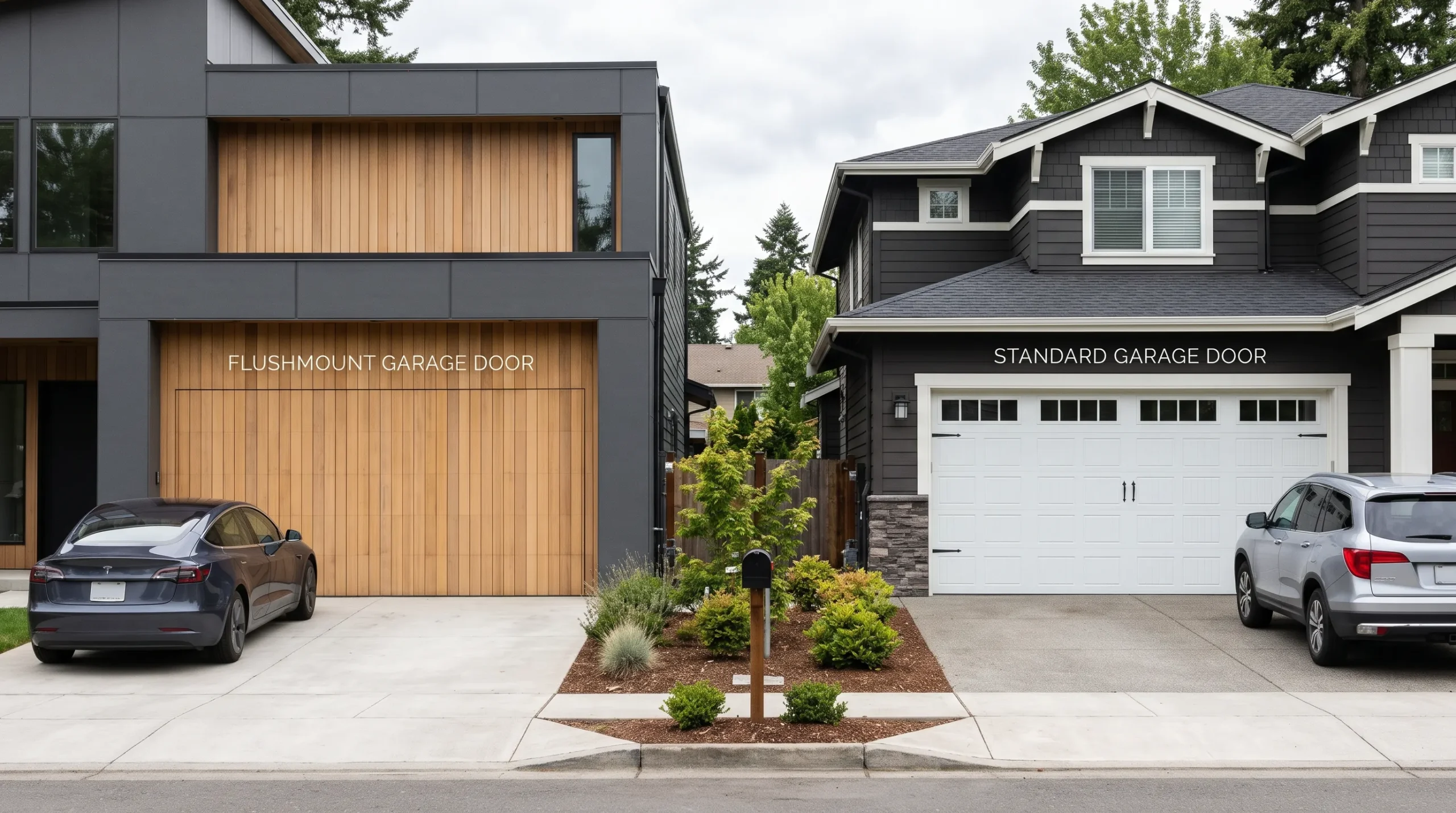
Compare quotes on a like-for-like basis: same size, same insulation level, same number of panels, rather than the lowest price you can find for each style. A cheap standard door and a well-built Flush Mount Door aren’t really competing for the same buyer in the first place, so comparing them on price alone tends to miss what each one is actually offering.
A Flush Mount Door reads as an intentional design choice rather than a default builder-grade feature, which is part of why it tends to stand out favorably during a home sale or appraisal walkthrough. The garage door is one of the largest visible surfaces on the front of most homes, so a style upgrade there has an outsized effect on first impressions compared to smaller cosmetic changes elsewhere on the exterior.
If you want the full breakdown of how this translates into actual resale numbers, read Do Flush Mount Garage Doors Increase Your Home’s Resale Value? 5 Ways They Pay Off.
Weigh the upgrade against comparable homes in your neighborhood rather than against a national average. A Flush Mount Door matters more in markets where buyers already expect a modern exterior, and less in markets where function outweighs style, so the same upgrade can pay off very differently depending on where you live.
Insulation quality varies by manufacturer and construction, but many Flush Mount Doors perform on par with, or better than, standard insulated doors because the flat panel design allows for consistent foam-core thickness across the entire surface. Standard raised-panel doors sometimes lose insulation performance at the seams and grooves where the panel profile creates thinner spots, which a flat surface avoids by design.
If energy performance is your main concern, read Are Flush Mount Garage Doors Worth It for Energy Efficiency? 4 Insulation Benefits Explained for the full picture.
A few specific factors drive how well any garage door insulates, Flush Mount or otherwise:
Ask for the door’s R-value or U-factor directly rather than assuming “insulated” means the same thing across every product. Two doors marketed as insulated can perform very differently depending on core material and thickness, so the label alone doesn’t tell you enough to compare options fairly.
The flat surface of a Flush Mount Door doesn’t have the seams and shadow lines that make dents, dings, and fading more visible on standard panel doors, which means it tends to need less cosmetic upkeep over time. Standard doors, especially ones with wood or wood-look finishes, often need repainting or staining every few years to stay looking fresh, and the grooves between panels tend to show grime and wear faster than a continuous flat surface does.
Proper care still matters for either style; the International Door Association’s care and maintenance guidance outlines what routine upkeep should look like regardless of which style you choose.
Factor in the cost of repainting or touch-up work you’d otherwise need every few years on a standard door, since that’s often where a Flush Mount Door quietly earns back part of its higher upfront price. Over a decade or more of ownership, avoided maintenance costs can add up to a meaningful fraction of the original price difference between the two styles.
Custom Flush Mount Doors are typically made to order rather than pulled from stock, which affects both the price and the timeline. This is a meaningful trade-off worth planning around: you’re paying for a door built to your exact specifications rather than a mass-produced size that happens to fit. Why custom Flush Mount Doors are worth the wait covers what that process actually looks like and why the lead time is part of the value proposition rather than a drawback.
A few things typically add to the timeline for a custom order:
Build the expected lead time into your renovation schedule from the start, rather than assuming a Flush Mount Door can be installed on the same short notice as an in-stock standard door. Homeowners who plan ahead tend to have a much smoother experience than those trying to fit a custom order into a tight deadline.
Flush mount isn’t the only premium option on the market, and it’s worth understanding where it sits relative to other high-end styles before committing.
Pros and cons of a Flush Mount Garage Door lays out the trade-offs in more depth, and This Old House’s overview of garage doors is a useful reference for seeing how Flush Mount fits into the broader range of materials and construction styles homeowners typically consider.
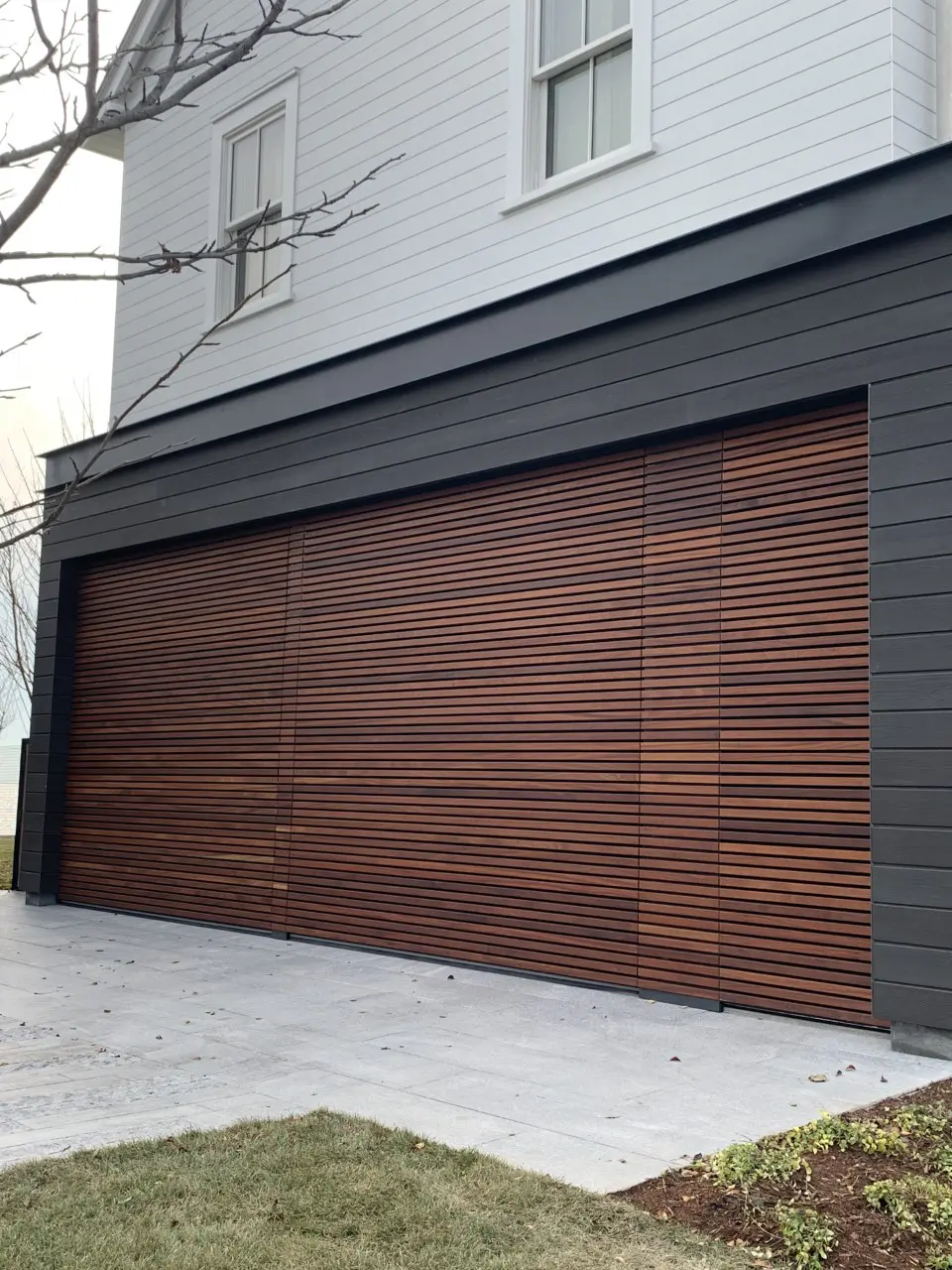
Compare the specific trade-offs that matter most to you, upfront cost, maintenance, and long-term appearance, rather than choosing based on style trends alone.
If long-term value specifically is your deciding factor, read Flush Mount vs. Standard Garage Doors: Which Offers Better Long-Term Value? 6 Key Differences for a direct comparison.
The higher upfront cost of a Flush Mount Door isn’t really the full picture; it’s better understood as a trade against lower maintenance, stronger curb appeal, and a cleaner look that ages better than most standard doors. For homeowners planning to stay put for several years, that trade tends to work out in their favor.
Flush Mount Door Co. can walk you through whether this upgrade makes sense for your specific home, budget, and timeline. Contact us or give us a call to get a straightforward quote and see the options available for your space.