
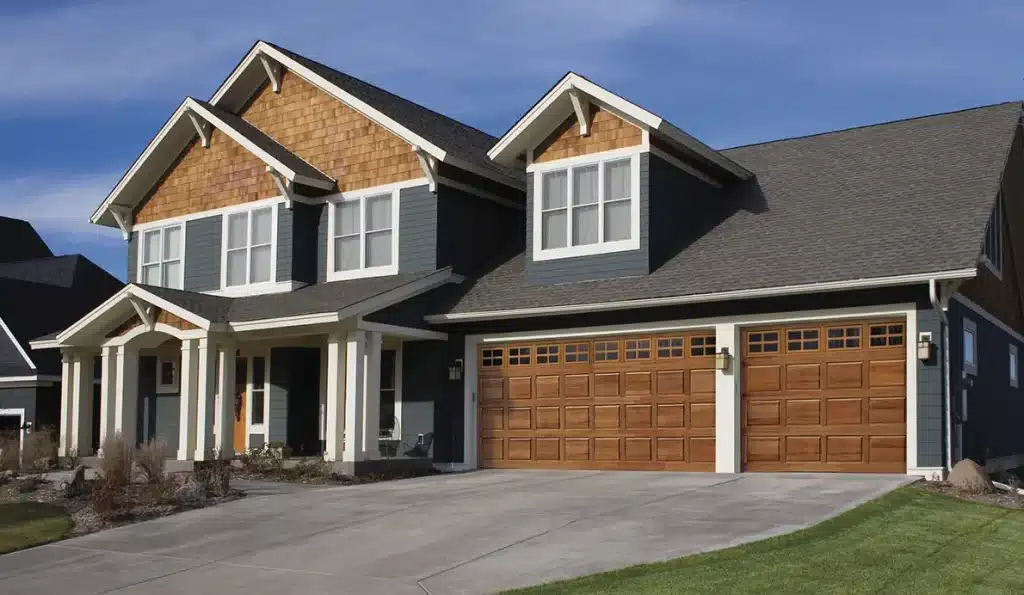
A garage door upgrade is not just about choosing the right door. It is also about choosing the right moment to do it. Install too early in a renovation, and the new door gets damaged by surrounding construction. Wait too long, and the old door drags down every other improvement you have already made.
Most homeowners only think about upgrading when the old door fails. But a strategic upgrade, planned at the right stage and paired with the right exterior material, delivers a dramatically better outcome than a reactive replacement. Browse any photos of Flush Mount Doors installed during a well-timed renovation, and the difference in finish quality and overall cohesion becomes immediately clear.
This guide covers the timing signals, planning steps, and practical considerations that help you get the most out of your garage door investment, whether you are mid-renovation or just starting to plan.

Knowing when to act is just as important as knowing what to do. Some of these signals are visual, some are functional, and some are tied to other projects already in motion. If any of these apply to your situation, it is worth having a professional assessment sooner rather than later.
Neighborhoods and home styles evolve. A door that was fine ten years ago may now look out of place against a home that has been updated, repainted, re-landscaped, or re-sided. If your garage door is the oldest-looking element on the front of your home, that is a strong signal that it is time for a change.
This mismatch is especially common when homeowners upgrade their front entry, install new windows, or re-clad the exterior in stone or stucco. The rest of the home moves forward, and the garage door stays behind. At that point, the door is not just dated. It is actively pulling down the investment you have already made in the rest of the exterior.
Common signs your garage door no longer fits your home’s updated look:
Flush Mount Garage Doors are a particularly effective solution in this situation because they integrate directly with whatever exterior material surrounds them. Whether your home has been updated with stone, stucco, or wood cladding, a Flush Mount design brings the garage facade into alignment with everything around it.
To understand how each material works in that integration, Modern Flush Mount Garage Doors with Stone, Stucco, or Wood is a useful starting point before any decisions are made.
The single best time to upgrade a garage door is during a broader exterior renovation. When the exterior is already being re-clad or redesigned, the door upgrade fits naturally into the sequence of work. The surrounding finish can be applied around the new door rather than patched around the old one, and the final result looks like one cohesive project.
Timing the replacement requires coordination with your contractor. The door should be installed after framing and waterproofing are in place but before the final stucco coat or stone veneer is set. Working with a team familiar with the areas we serve ensures that sequencing is handled correctly from the start.
What to coordinate when planning a combined renovation:
Every garage door has a functional lifespan. When damage goes beyond what normal maintenance or repair can address, replacement is the more practical and cost-effective path. Continuing to repair a door that is structurally compromised leads to recurring costs and safety concerns.
Signs that repair is no longer the right answer:
At this stage, the cost of continued repairs often approaches or exceeds the cost of a new installation. Getting a professional assessment at the first sign of significant structural wear helps homeowners make that call before it becomes urgent.
Few exterior upgrades deliver a better return on investment at resale than a garage door replacement, particularly when the new door is a design upgrade rather than a like-for-like swap. Buyers respond strongly to a home that looks finished and well-maintained from the street, and the garage door is one of the first things they assess before they ever step inside.
A Flush Mount Garage Door paired with a well-maintained exterior finish signals that the home has been upgraded with intention. It reduces the mental list of improvements a buyer might want to make and increases the perceived value of the property.
What a well-timed pre-sale garage door upgrade communicates to buyers:
Timing this upgrade three to six months before listing gives you enough time to plan properly, allow any exterior finishes to fully cure, and make sure the door is operating smoothly before the home goes on the market.
According to Angi’s resource on common garage door problems, unresolved garage door issues are among the most frequently flagged items in home inspections, making proactive upgrades before a sale a sound investment.
An older garage door with a worn or inadequate seal contributes to energy loss, especially in attached garages that share a wall with the main living space. If your heating or cooling costs have increased without an obvious explanation, the garage door seal and insulation quality are worth checking.
An upgrade to an insulated Flush Mount Door with a properly sealed perimeter can make a measurable difference in garage and adjacent room temperatures. The improvement is most noticeable in climates with significant seasonal temperature swings, but even in moderate climates, a well-sealed door reduces drafts and moisture entry that affect comfort year-round.
What to check before deciding if the door is the source of energy loss:
According to the U.S. Department of Energy’s guide on energy-efficient doors, insulated doors with proper sealing can significantly reduce heat transfer and lower heating and cooling costs, making an upgrade to an insulated Flush Mount system a practical long-term investment.

If the stucco, stone, or wood cladding around your existing garage door has been significantly damaged or replaced, that work often creates a natural opening to assess the door itself. Exterior repair work around the door frame can expose the condition of the door, the framing, and the integration between the two.
In many cases, homeowners discover during exterior repair that the door frame is in poor condition, the door panel has been compromised by moisture, or the current door design does not work well with the updated surrounding material. Addressing the door at the same time as the exterior repair prevents having to revisit the same area twice.
What to inspect when exterior material around the door is being repaired or replaced:
This is also a good time to consider upgrading to a Flush Mount design if you have not already. When the surrounding material is being freshly applied, the door can be integrated from the start rather than inserted into an already-finished surface. Understanding the specific benefits that drive homeowners to make that design shift is covered in detail in Why Flush Mount Garage Doors Elevate Any Home Exterior.
Garage door installation can technically be done any time of year, but some seasons are more practical than others, depending on your climate and the exterior finish involved.
Spring and fall are generally the best windows for most climates. Temperatures are moderate, which benefits both the installation process and the curing of any exterior finishes applied around the door. Summer installations in very hot climates can create challenges with adhesives and sealants curing too quickly. Winter installations in cold climates require extra care with waterproofing materials that do not perform well in freezing conditions.
Best practices for seasonal planning:
For homeowners selecting the finish material that will surround the new door, Stone, Stucco, or Wood: Which Finish Suits Your Home Best? helps narrow down the right choice before any orders are placed.

A garage door upgrade done at the right time, in the right sequence, and with the right material delivers results that last. Rushed installations and poorly timed replacements lead to finish mismatches, framing complications, and callbacks that could have been avoided with a little more planning upfront.
When you are ready to move forward, the team at Flush Mount Door Co. brings the experience and attention to detail that this kind of installation requires. Contact us or give us a call and we will help you plan the right upgrade at the right time for your home.