
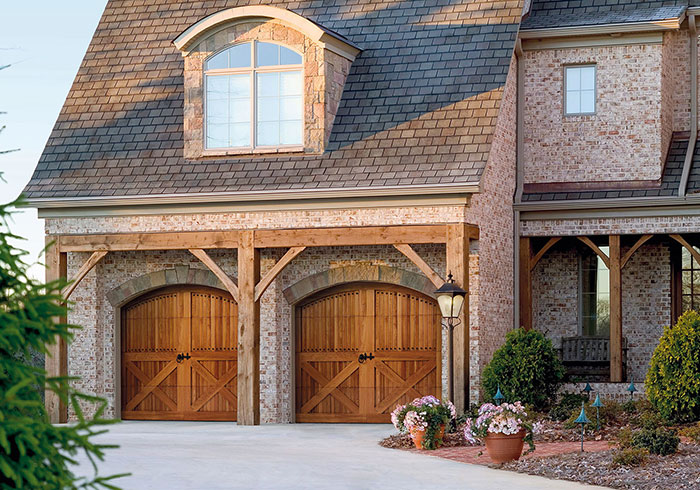
Stone, stucco, and wood are the three most popular exterior finishes used with modern Flush Mount Garage Doors. Each one creates a completely different result in terms of appearance, feel, and long-term care. Each one also comes with specific requirements that affect how the door is installed, how it performs over time, and how much attention it will need from year to year. Browse any photos of Flush Mount Doors paired with each finish, and the differences in character and upkeep become obvious right away.
This guide gives you a clear, honest comparison of all three so you can make a confident choice based on your home’s design, your climate, and how much maintenance you are actually willing to do.
Choosing a finish is not just about what looks good in a design magazine. It is about what works well on your specific home, in your specific climate, with your lifestyle in mind. Each material has genuine strengths and real trade-offs worth knowing before you commit.
Stone: Bold, Durable, and Built to Last
Stone is the heaviest and most permanent of the three finishes, and it reads that way visually. A Flush Mount Garage Door surrounded by or clad in natural or manufactured stone commands attention. It signals quality, permanence, and serious design intent.
Manufactured stone veneer is the most common choice for garage door applications. It is engineered to be lighter than natural stone while still delivering a realistic look and strong durability. It bonds to reinforced door panels and surrounding wall framing, and when installed correctly, it holds up well through temperature swings, moisture, and physical contact.
What stone does well:
What to watch for with stone:
Stone is the right choice for homeowners who want a finish that makes a strong architectural statement and are willing to invest in proper installation upfront to avoid maintenance issues later.
For a deeper look at how all three materials perform in a complete Flush Mount system, Modern Flush Mount Garage Doors with Stone, Stucco, or Wood covers installation and maintenance considerations for each finish in detail.
Stucco is the most common exterior finish in warm and dry climates, and it integrates with Flush Mount Garage Doors better than almost any other material. The smooth, flat surface of a well-finished stucco wall is the natural complement to the clean lines of a flush design.
Stucco can be tinted to nearly any color and finished in a range of textures, from fine smooth plaster to sand or dash finishes that add subtle visual depth. That flexibility makes it easy to match an existing exterior or create a fresh look without the weight and cost of stone.
What stucco does well:
What to watch for with stucco:
According to Family Handyman’s overview of garage door types, material compatibility between the door and the surrounding exterior is one of the most overlooked factors in garage door selection, yet it has a direct impact on how long the installation holds up.

Wood is the finish that gets the most compliments. There is something about the warmth of natural wood grain on a home’s exterior that no painted or manufactured material fully replicates. When wood cladding wraps a Flush Mount Door opening, or when the door panel itself carries a real wood veneer, the result feels crafted and personal in a way that stands apart.
Cedar, redwood, and hardwood composites are the most used species for exterior garage door applications. Each brings a different grain pattern and natural color range, and all can be stained or sealed to enhance and protect the surface.
What wood does well:
What to watch for with wood:
Wood requires the most ongoing attention of the three materials, but for homeowners who are willing to maintain it, the payoff in appearance and character is hard to match.
Design preference matters, but climate is often the deciding factor between these three materials. A finish that performs beautifully in a dry southwestern climate may deteriorate quickly in a humid coastal environment. Matching the material to the conditions where your home actually sits is one of the most practical things you can do.
Here is a general guide by climate type:
Talking through your climate conditions with a qualified installer before choosing a finish can prevent a costly mismatch between the material and the environment it will live in. According to This Old House’s complete guide to garage doors, understanding how local weather conditions affect your door and surrounding materials is a key step most homeowners skip before making a final selection.
Every homeowner says they will keep up with maintenance. The reality is that some materials forgive inconsistency better than others. If you are honest about how much time and attention you will realistically give to your exterior, that should weigh heavily in your decision.
Here is how the three materials compare on maintenance effort:
Quick signs each material that needs attention:
Technicians across the areas we serve recommend scheduling a full exterior inspection at least once a year, before the wet or cold season begins, to catch small issues before they become expensive repairs.
Understanding how timing affects this decision is also worth considering. When to Upgrade Your Garage Door for Maximum Curb Appeal explains how to align a garage door upgrade with other exterior work so the finish and the door come together as one planned project rather than two separate ones.
After weighing appearance, climate, and maintenance, the best finish is the one that fits your home’s existing design language and your lifestyle. There is no universal right answer, but there are some useful rules of thumb.
If your home already has stone accents on the foundation, columns, or entry, extending that material to the garage area creates cohesion. If your home is a clean-lined contemporary with flat surfaces and minimal ornamentation, stucco is the natural fit. If your home leans toward organic materials, natural textures, and warm tones, wood will feel like it belongs.
Quick decision guide based on home style:
If you are still weighing the broader benefits of a Flush Mount design, Why Flush Mount Garage Doors Elevate Any Home Exterior walks through exactly why this door style outperforms standard options on every front.

A Flush Mount Garage Door is only as good as the finish surrounding it. Stone, stucco, and wood each bring something different to the exterior, and the right choice depends on how your home is built, where it sits, and how you want it to feel from the street.
When you are ready to move from comparison to decision, the team at Flush Mount Door Co. can walk you through the options in detail and help you select the finish that fits your home and your budget. Contact us or give us a call to get started with a professional consultation.